Tuesday, October 13, 2026

Best Hotels and Resorts in Jordan: Expert Reviews, Prices, Locations, and Travel Tips

Comfortable hotel room with contemporary interior design
Click here to explore hotels in Jordan

1. Hotels and Resorts in Jordan: What Should You Expect?

Jordan offers several accommodation styles, from modern city hotels and quiet seaside-style resorts to desert camps and comfortable properties close to historic attractions. The right choice depends on your itinerary, travel budget, preferred level of service, and the amount of time you plan to spend outside your room.

A hotel that works perfectly for a short business trip to the capital may not be the best choice for a family holiday near the Dead Sea. Likewise, a desert camp can provide a memorable landscape and a peaceful atmosphere, but it may not deliver the same facilities as a full-service city hotel.

Before choosing a property, compare the location, room category, meal arrangements, transport options, and recent guest feedback. A low nightly rate can become less attractive if you need expensive transfers or must travel long distances to reach the places on your itinerary.

Start by comparing Hotels & Resorts in Jordan to narrow down the destinations that match your travel plans.

Quick hotel selection checklist

  • Choose a destination before comparing individual properties.
  • Set a realistic budget for the room, meals, transport, and activities.
  • Check whether breakfast, parking, Wi-Fi, and applicable taxes are included.
  • Compare the advertised room category with the facilities you actually need.
  • Read recent reviews about cleanliness, noise, maintenance, and staff service.
  • Confirm cancellation conditions before paying for a reservation.

2. Jordan Hotel Comparison: Specifications, Functions, and Features

Different accommodation types serve different purposes. Use the following comparison to identify the most suitable option before checking individual properties and current rates.

Accommodation typeMain functionTypical featuresBest suited forPotential drawback
City hotelUrban accommodationReception, private rooms, Wi-Fi, optional diningBusiness travelers and city breaksTraffic and limited outdoor space
Luxury resortRelaxation and premium servicePotential pools, spa facilities, restaurants, landscaped groundsCouples and longer holidaysHigher total holiday cost
Desert campNature-focused overnight staysDesert views, tent-style lodging, possible shared diningAdventure travelers and photographersVariable insulation and bathroom arrangements
Budget hotelAffordable overnight accommodationEssential room facilities and practical locationsIndependent and budget-conscious travelersFewer services and room extras
Apartment hotelFlexible extended staysPossible kitchen, seating area, laundry facilitiesFamilies and longer visitsLess frequent housekeeping at some properties

These are general accommodation categories, not guaranteed facilities at every property. Confirm the actual room description and available services before making a reservation.

3. Hotels in Amman: Comfort, Convenience, and City Access

Amman is a practical starting point for many trips to Jordan. The capital combines business districts, shopping areas, restaurants, historic neighborhoods, and access to other parts of the country. A suitable hotel can make a short visit much easier by reducing the time spent traveling between appointments and attractions.

However, Amman is spread across hills and neighborhoods with different characters. Two hotels that appear close on a map may offer very different experiences depending on traffic, road access, parking availability, and proximity to the places you intend to visit.

Compare Hotels in Amman when deciding where to stay for a business trip, family holiday, or city break.

Which Amman neighborhood should you consider?

Business districts

Look for properties near your meeting locations, offices, and transport connections.

  • Useful for short work trips.
  • May offer meeting facilities.
  • Check peak-hour traffic.

Central areas

Consider central locations if you want easier access to established shopping streets and city attractions.

  • Practical for sightseeing.
  • Local food options may be nearby.
  • Street noise can vary.

Residential neighborhoods

These may suit travelers who prefer a quieter base or need an apartment-style stay.

  • Potentially more living space.
  • Useful for longer visits.
  • Transport may be necessary.

Amman hotel advantages and disadvantages

Advantages

  • Wide range of accommodation categories.
  • Access to restaurants, shops, and services.
  • Useful transport connections for onward journeys.
  • Suitable options for business and leisure.

Potential disadvantages

  • Traffic can increase travel times.
  • Parking may cost extra or be limited.
  • Room views and noise levels differ by location.
  • Premium properties can exceed a modest budget.

What should you pay for a hotel in Amman?

For planning purposes, the following broad estimates are useful starting points. They are illustrative ranges, not verified live rates or quotations for specific hotels.

CategoryEstimated nightly rateWhat to expect
BudgetUS$25–60Essential facilities and simpler rooms
Mid-rangeUS$60–130More comfort and potentially additional services
PremiumUS$130–300+Higher service levels and more extensive facilities

Actual prices depend on dates, occupancy, room type, availability, and included services. Ask whether breakfast, parking, taxes, and cancellation flexibility are included in the displayed total.

Booking tip: If you have several appointments across Amman, calculate the total transport time before choosing a room based on price alone. A slightly more expensive hotel near your main destination can offer better overall value.

4. Hotels in Wadi Rum: Desert Views and Unique Overnight Stays

Wadi Rum offers a very different accommodation experience from the capital. Its desert scenery, sandstone formations, open horizons, and dramatic light make it appealing to travelers looking for a nature-focused stay. Depending on the property, accommodation may range from traditional-style tents to enclosed units with private bathrooms and large windows.

The most important decision is not simply whether a camp looks attractive in photographs. Consider sleeping comfort, temperature control, bathroom access, meal arrangements, transfer logistics, and the distance from the meeting point for planned activities.

Explore Hotels in Wadi Rum to compare accommodation options for a desert-focused itinerary.

Choose the right desert accommodation

Traditional tent

A practical choice for travelers who value atmosphere and simplicity.

  • Often suited to shorter stays.
  • Facilities vary between camps.
  • Check insulation and bathroom access.

Enclosed desert unit

A possible middle ground between the desert setting and a more conventional room.

  • May offer a private bathroom.
  • Can provide better weather protection.
  • Air-conditioning availability varies.

Premium-view accommodation

Designed for travelers who place greater value on views, privacy, and additional comfort.

  • May feature larger windows.
  • Potentially more spacious interiors.
  • Usually commands a higher rate.

Wadi Rum hotel review checklist

  • Bathroom: Confirm whether it is private, shared, or located outside the sleeping unit.
  • Climate control: Ask about heating, cooling, ventilation, and seasonal conditions.
  • Transfers: Check whether a vehicle transfer from the visitor meeting point is included.
  • Meals: Confirm meal times, dietary arrangements, and additional charges.
  • Connectivity: Ask whether Wi-Fi and mobile coverage are available where you will stay.
  • Accessibility: Check walking distances, terrain, and vehicle access if anyone in your group has mobility requirements.
  • Activities: Confirm the duration, meeting point, and price of any optional excursion before booking.

Estimated Wadi Rum nightly costs

Accommodation typeIllustrative nightly rangeMain consideration
Basic campUS$25–60Shared facilities and included meals
Comfortable private unitUS$60–150Bathroom, insulation, and location
Premium desert stayUS$150–400+Privacy, views, and additional services

Desert accommodation packages differ substantially. Some include meals or transfers, while others price these separately. Compare the full package rather than the room rate alone.

Who will enjoy Wadi Rum most?

  • Travelers seeking distinctive landscapes and quiet surroundings.
  • Couples planning a memorable overnight stay.
  • Photographers interested in changing desert light.
  • Visitors willing to trade some conventional hotel conveniences for a different setting.

Think carefully before booking if you require extensive on-site services, have strict temperature-control needs, or prefer being close to shops and everyday amenities.

5. Hotels in the Dead Sea: Resort Comfort and Relaxation

The Dead Sea is a strong choice for travelers who want to slow down and spend more time at their accommodation. Resorts in this area may offer swimming pools, landscaped outdoor areas, spa facilities, dining options, and organized access to designated waterfront areas. The exact facilities depend on the individual property.

A resort stay is different from choosing a hotel solely as a place to sleep. You may spend several hours on the property each day. This makes room comfort, food prices, pool facilities, access arrangements, and service quality particularly important.

Compare Hotels in Dead Sea when looking for a resort-style holiday or a relaxing stop during a wider Jordan itinerary.

What makes a Dead Sea resort worth the price?

  • Waterfront access: Confirm how guests reach the designated waterfront area and whether access is included.
  • Swimming facilities: Check pool availability, opening hours, and any seasonal restrictions.
  • Room views: Sea-view rooms may cost more than standard rooms. Verify the precise room category.
  • Dining: Compare breakfast options and restaurant prices if you expect to eat most meals on the property.
  • Relaxation facilities: Confirm whether spa treatments and wellness services are included or charged separately.
  • Family services: Ask about children's facilities, family room layouts, and relevant age restrictions.
  • Transport: Check how easy it is to arrive from your previous destination and continue to the next one.

Dead Sea resort comparison

FeatureValue-focused propertyMid-range resortPremium resort
Room comfortEssentialEnhancedPotentially more spacious and refined
On-site diningMay be limitedMore choice may be availablePotentially broader selection
Recreational facilitiesProperty-dependentMay include a poolMay offer extensive facilities
Best reason to chooseControl accommodation costsBalance comfort and budgetSpend more time enjoying the property

The categories above are comparison guidelines, not descriptions of specific properties. Always check the actual amenities and policies listed for your selected resort.

Estimated Dead Sea accommodation prices

Value-focused stay

US$40–90

Illustrative range for simpler accommodation in the wider area.

Mid-range stay

US$90–200

Illustrative range for more comfortable properties.

Premium resort

US$200–450+

Illustrative range for higher-end resort experiences.

These figures are planning estimates only. Rates may be higher during busy periods and can vary by occupancy, room type, meal package, and availability. They are not current offers from named hotels.

Honest advantages and disadvantages

Advantages

  • Suitable for a slower-paced holiday.
  • Some resorts combine dining and recreation on site.
  • Potentially convenient for couples and families.
  • Can serve as a comfortable stop on a multi-destination trip.

Disadvantages

  • Premium resorts can be expensive.
  • Meals and treatments may add significantly to the bill.
  • Some locations offer limited nearby alternatives.
  • Outdoor comfort depends on the weather.

Plan waterfront visits carefully. The water can irritate the eyes and damaged skin, so follow local safety guidance, avoid swallowing the water, and rinse off after contact. Do not assume every waterfront section is suitable for swimming.

6. Hotels in Jerash: Stay Near Jordan's Historic Attractions

Jerash appeals to visitors interested in historic architecture, archaeological remains, and a quieter stop outside the capital. Accommodation here can work well for travelers who want to explore the area's heritage without treating every visit as a long day trip from Amman.

When choosing a property, look at its actual distance from the archaeological site, nearby dining options, parking, and transport availability. A hotel described as being in the Jerash area may not be within easy walking distance of the entrance you intend to use.

Compare Hotels in Jerash to evaluate accommodation for a history-focused trip or an overnight stop in northern Jordan.

What should a good Jerash hotel provide?

  • Clean, comfortable rooms with reliable basic facilities.
  • Clear directions to the archaeological site and other places you plan to visit.
  • Convenient transport or parking arrangements.
  • Accurate check-in and check-out information.
  • Breakfast or nearby dining options that suit your schedule.
  • Transparent charges for additional guests, extra beds, and other services.

Jerash accommodation: estimated prices

CategoryIllustrative nightly rateTypical priority
BudgetUS$25–55Essential comfort
Mid-rangeUS$55–110Convenience and room quality
PremiumUS$110–220+Additional services and comfort

These estimates are intended for early budgeting. Small properties may have limited room inventory, and prices can vary with travel dates and demand. Verify availability and total charges directly through the selected booking option.

Jerash: a practical accommodation tip

If your main purpose is sightseeing, compare the time needed to reach the archaeological site rather than choosing a property based on its advertised distance from the town center. Confirm the entrance location, parking arrangements, and opening hours for your intended visit.

7. Which Jordan Destination Offers the Best Value?

There is no single destination that offers the best value for every traveler. A budget-conscious visitor may prioritize a well-located city room, while a couple may be willing to pay more for a distinctive desert stay or a resort with several on-site facilities.

DestinationBest forMain value factorWhat to watch
AmmanCity breaks and businessLocation and transport savingsTraffic and parking
Wadi RumNature and desert staysWhat is included in the camp packageTransfers and room facilities
Dead SeaRelaxation and resort holidaysIncluded amenities and mealsExtra charges and resort prices
JerashHeritage and sightseeingProximity to attractionsTransport and local availability

For a wider overview, compare Hotels & Resorts in Jordan and shortlist properties according to your destination, budget, and required facilities.

8. How to Compare Hotel Prices Without Overpaying

The cheapest displayed rate is not always the least expensive option. A useful comparison includes every charge you are likely to pay and the value of the facilities you will actually use.

Compare the total cost, not just the room rate

  • Check whether the displayed price covers all nights and all registered guests.
  • Review taxes, service charges, and any mandatory property fees.
  • Compare breakfast-included and room-only options.
  • Check parking charges if you are traveling by car.
  • Ask about transfers for remote accommodation and desert camps.
  • Calculate the cost of meals if the property has limited nearby alternatives.
  • Compare refundable and non-refundable rates before making a decision.

Example: two hotels with different advertised prices

The following example uses hypothetical figures to demonstrate how extra costs can change the result. It is not a quotation for an actual property.

Cost for two nightsHotel AHotel B
Room rate per nightUS$55US$70
Two-night room costUS$110US$140
Illustrative extrasUS$35US$10
Total before unlisted chargesUS$145US$150

In this example, the cheaper advertised room does not produce the lower total. The difference is small, but the same calculation can reveal much larger savings when transfers, meals, parking, or additional services are involved.

9. Essential Room Features Worth Checking Before Booking

Photographs can make almost any room look appealing. A careful review checks whether the property delivers the essentials required for a comfortable stay.

Sleep quality

  • Bed size and configuration
  • Noise and window insulation
  • Blackout curtains
  • Temperature control

Cleanliness

  • Bathroom condition
  • Fresh bedding
  • Room maintenance
  • Housekeeping frequency

Convenience

  • Working Wi-Fi
  • Power outlets
  • Storage space
  • Lift or accessible routes where needed

Booking conditions

  • Check-in times
  • Cancellation deadline
  • Guest and child policies
  • Payment requirements

Prioritize features according to your trip. A traveler spending most of the day exploring may prefer a clean room in a convenient location. Someone planning a resort holiday may value the pool, dining, and outdoor areas much more heavily.

10. How to Read Hotel Reviews Like an Experienced Traveler

Guest reviews are useful when you look for repeated patterns instead of reacting to a single extremely positive or negative comment. One complaint about a delayed check-in may reflect an unusual event. Similar complaints across several recent reviews deserve closer attention.

Review details that deserve attention

  • Cleanliness: Look for recurring comments about bathrooms, bedding, odors, and housekeeping.
  • Noise: Check whether guests mention traffic, nearby venues, thin walls, or early-morning activity.
  • Staff service: Repeated reports of clear communication and practical problem-solving can be reassuring.
  • Accuracy: Compare guest descriptions with the advertised room category and property photographs.
  • Location: Look for comments about walking routes, steep roads, transport, and access to nearby attractions.
  • Value: Assess whether guests believe the service and facilities justify the overall cost.
  • Maintenance: Pay attention to repeated mentions of plumbing, air-conditioning, hot water, and worn furnishings.

Give more weight to reviews that describe your specific room type and travel needs. A solo business traveler may care about desk space and reliable internet, while a family may focus on room layout, noise, and breakfast arrangements.

A simple hotel review scoring system

Score each category from 1 to 5 based on the available evidence. Use the same categories for every property you compare.

CategorySuggested weight
Location25%
Cleanliness and maintenance25%
Comfort and sleep quality20%
Service and communication15%
Price and included facilities15%

These weights are a personal comparison framework, not an official hotel rating. Adjust them to reflect what matters most to you.

11. Best Accommodation Choices for Different Travel Styles

For families

Families often benefit from accommodation with enough space, predictable meal options, and convenient transport. Before booking, check:

  • Whether the room fits the actual number of adults and children.
  • Whether an extra bed or cot is available and what it costs.
  • Whether adjoining rooms are guaranteed or merely requested.
  • Whether the property has suitable facilities for the children's ages.
  • Whether the walking routes and bathroom layout suit your needs.

For couples

Couples may prioritize privacy, atmosphere, views, and opportunities to relax together. A resort or desert camp may suit a special occasion, while a city hotel may be more convenient for dining and exploring.

  • Compare room views and privacy rather than relying on property-wide photographs.
  • Confirm whether special requests are guaranteed or subject to availability.
  • Check meal arrangements if you prefer to dine on site.
  • Read recent feedback about noise and service quality.

For business travelers

A business-friendly stay should make it easy to work, rest, and reach appointments on time.

  • Confirm Wi-Fi availability and whether it is suitable for video calls.
  • Check desk space, power outlets, and room lighting.
  • Review transport time to meeting locations.
  • Ask about invoices, payment documentation, and check-out flexibility where necessary.
  • Confirm reception hours if you expect a late arrival.

For independent travelers

Independent travelers often gain flexibility by choosing accommodation with clear arrival instructions, transparent policies, and easy access to onward transport.

  • Save the property address and contact details before departure.
  • Check the availability of local transport and transfers.
  • Review the neighborhood and walking routes.
  • Choose cancellation terms that fit the uncertainty of your itinerary.

12. Planning a Multi-Destination Jordan Hotel Itinerary

A multi-destination trip can combine city accommodation, a desert overnight stay, and a relaxing resort. The main challenge is coordinating travel time with check-in requirements and planned activities.

Planning stage 1

Select a city base

Choose accommodation based on your arrival arrangements, first activities, and transport needs.

Planning stage 2

Reserve the desert stay

Confirm arrival instructions, transfer arrangements, meal details, and the room's facilities.

Planning stage 3

Allow time to relax

If visiting the Dead Sea, choose a property that matches the amount of time you want to spend enjoying the resort.

Travel times vary with road conditions, route choice, stops, and traffic. Verify your actual journey before fixing check-in times or booking activities that require a strict arrival schedule.

For a broader accommodation search, browse Hotels & Resorts in Jordan and compare each destination against your travel dates.

13. Common Hotel Booking Mistakes to Avoid

Mistake 1: Choosing by price alone

Check the total bill, location, and included facilities before deciding which offer represents better value.

Mistake 2: Ignoring room details

Confirm bed configuration, bathroom type, view, and occupancy restrictions instead of assuming all rooms are alike.

Mistake 3: Underestimating transport

Calculate the cost and time needed to reach attractions, meeting points, and the next accommodation.

Mistake 4: Skipping cancellation terms

Check deadlines, payment rules, and refund conditions before confirming a reservation.

Another frequent mistake is assuming that a photograph represents the exact room being offered. Properties may display several categories of rooms, suites, and shared facilities. Read the room description carefully and request clarification when a key feature is unclear.

14. How to Choose the Right Booking Option

Once you have selected a destination, compare properties using the same criteria. This avoids wasting time on listings that do not match your budget or practical needs.

  1. Define the trip: Write down your dates, number of guests, and primary destination.
  2. Set your full budget: Include transport, meals, and likely additional charges.
  3. Filter by location: Prioritize the areas that make your itinerary easier.
  4. Check essential facilities: Remove properties that lack features you genuinely need.
  5. Read recent reviews: Focus on recurring comments about service, cleanliness, and maintenance.
  6. Compare room rates: Check identical dates, occupancy, and cancellation conditions.
  7. Verify the details: Confirm the final price and booking conditions before payment.

Use the destination pages below to continue comparing available accommodation:

15. Frequently Asked Questions About Hotels in Jordan

What is the best area to stay in Jordan?

The best area depends on your itinerary. Amman suits city visits and business travel, Wadi Rum suits desert experiences, the Dead Sea suits resort holidays, and Jerash suits visitors focusing on local history.

How much does a hotel in Jordan cost?

Prices vary by destination, season, room type, and facilities. Budget accommodation may cost several dozen US dollars per night, while premium resorts can cost several hundred dollars. Check live rates for your dates.

Are desert camps suitable for families?

Some camps are suitable for families, but facilities vary. Confirm family room arrangements, bathroom access, temperature control, meals, and the suitability of activities for children.

Should I book a resort or a city hotel?

Choose a resort if you plan to spend substantial time enjoying its facilities. A city hotel is often more practical when your schedule focuses on meetings, sightseeing, and local transport.

Is breakfast worth paying extra for?

It can be worthwhile if you value convenience or have an early start. Compare the breakfast supplement with local alternatives and check whether the menu meets your dietary needs.

What should I check before paying?

Confirm the final price, room category, occupancy, payment method, cancellation policy, check-in times, and any extra fees. Save your confirmation and property contact details.

Are the listed hotel prices guaranteed?

No. Price ranges in this guide are illustrative planning estimates. Actual rates must be checked for the chosen property, dates, occupancy, and booking conditions.

How can I find accommodation near an attraction?

Start with the relevant destination page, compare the property's map location, and verify the route and travel time. Do not rely only on a broad neighborhood label.

What makes a hotel good value?

Good value means the location, comfort, cleanliness, service, and included facilities justify the total cost. The lowest room rate is not necessarily the best overall deal.

Can I combine different hotel types in one trip?

Yes. You can combine city accommodation, a desert camp, and a resort. Allow enough travel time between destinations and verify every property's arrival requirements.

16. Final Booking Checklist: Compare Before You Commit

Use this practical checklist while reviewing your shortlisted accommodation. It helps you identify missing information before payment.

  • ☐ The property is in the right destination and location.
  • ☐ The selected dates and number of guests are correct.
  • ☐ The room type and bed configuration meet your needs.
  • ☐ The total price includes the charges disclosed before booking.
  • ☐ Breakfast and other meals are clearly described.
  • ☐ Parking or transfers have been checked where relevant.
  • ☐ Recent guest feedback has been reviewed.
  • ☐ Cancellation and payment terms are acceptable.
  • ☐ Check-in arrangements suit your arrival time.
  • ☐ Any essential accessibility or family requirements are confirmed.
  • ☐ The booking confirmation and property contact details can be saved.

A well-chosen hotel makes a Jordan trip easier to manage. Focus on the experience you want, compare the total cost, and verify the details that matter most to your stay.

Browse the available destination pages to compare accommodation options and plan your next trip:

Jordan

Explore hotels and resorts across the country.

Explore Jordan

Amman

Compare city accommodation and convenient locations.

Explore Amman

Wadi Rum

Find desert accommodation for a distinctive stay.

Explore Wadi Rum

Dead Sea

Compare resort options and relaxation-focused stays.

Explore Dead Sea

Jerash

Review accommodation for heritage and sightseeing trips.

Explore Jerash

Saturday, October 10, 2026

How to Choose the Right Hotel in Egypt: An Expert Guide to Resort Reviews, Room Quality, Location and Value for Money

How to Choose the Right Hotel in Egypt | Expert Hotel Review Guide

How to Choose the Right Hotel in Egypt: An Expert Guide to Resort Reviews, Room Quality, Location and Value for Money

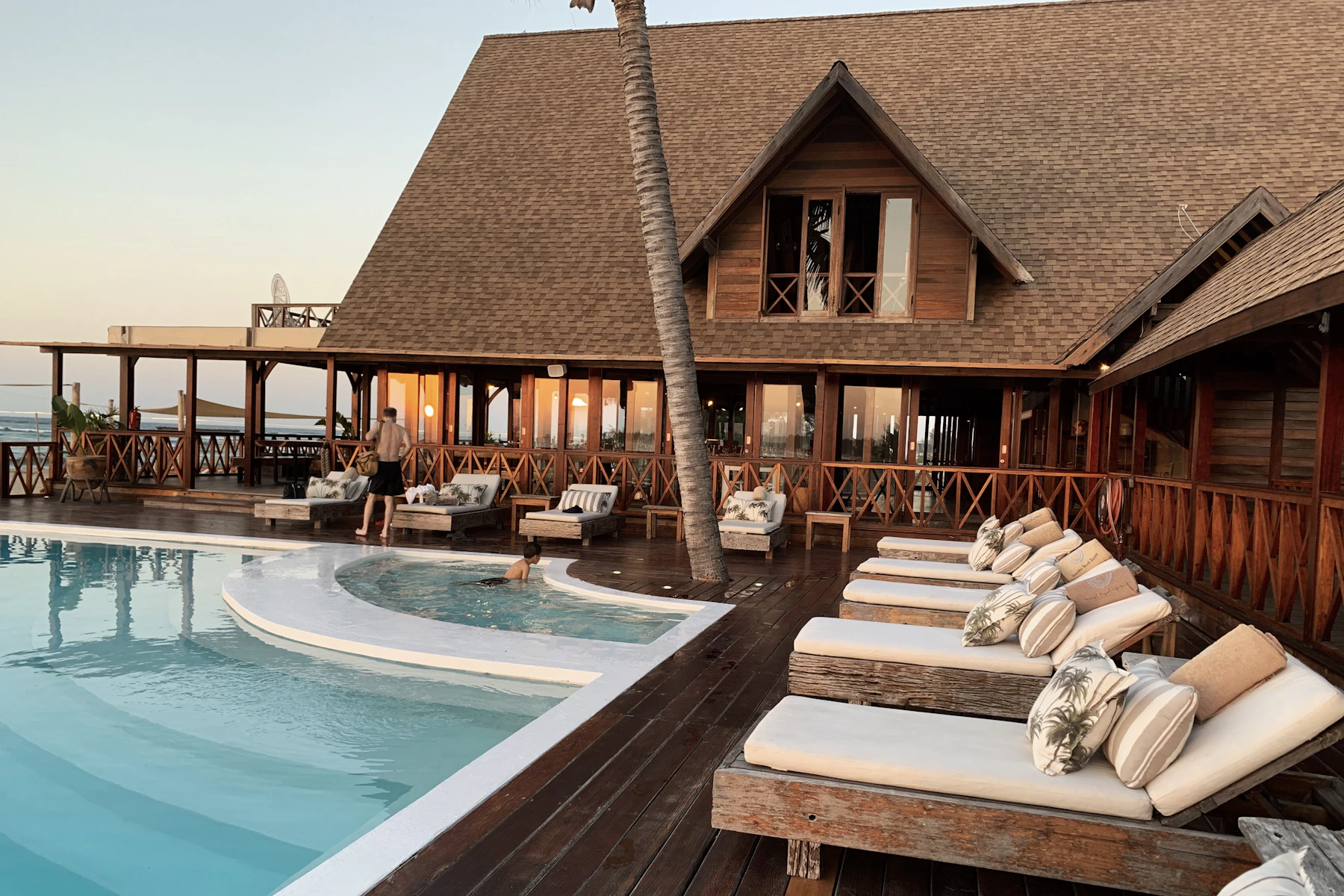
Hotel resort architecture with landscaped grounds and a swimming pool, without people

Editorial guide to hotel selection, accommodation standards, location, facilities and booking decisions.

The key principle: A good hotel is not simply a property with an attractive lobby or impressive photographs. It is a place that consistently delivers the location, cleanliness, comfort, facilities and service that its guests actually need. This guide explains how to evaluate those factors before making a booking in Egypt.

1. Why Choosing the Right Hotel in Egypt Requires Careful Research

Egypt offers a wide variety of accommodation, from practical city hotels to beachfront resorts, family properties, historic stays and high-end retreats. Each type serves a different purpose. A hotel that works well for a business trip may not suit a family holiday. A beachfront resort may offer excellent facilities but be inconvenient for travelers who want to explore museums, shopping districts and historic landmarks every day.

The first step is to define the experience you want. Think about your daily plans, the people traveling with you, your preferred level of comfort and the amount you want to spend. These details provide a more useful starting point than choosing a property because it appears popular online.

Travelers beginning their research can browse Hotels & Resorts in Egypt to explore different accommodation categories and identify destinations that match their plans.

A careful review should answer several practical questions. Is the location convenient? Are the rooms comfortable? Does the property maintain good cleanliness standards? Are the advertised facilities available? Are additional charges explained clearly? Do recent guests describe an experience consistent with the listing?

These questions help transform a broad search into a structured decision. They also reduce the chance of paying for facilities that you will rarely use or overlooking essential features that could affect the entire trip.

Start with your travel purpose

  • City exploration: Prioritize transport access, walkable surroundings and convenient connections to major attractions.
  • Beach holidays: Check beach access, outdoor facilities, room comfort and the distance between accommodation and the shoreline.
  • Family trips: Look for suitable room layouts, clear safety information, dining flexibility and age-appropriate activities.
  • Business travel: Assess reliable connectivity, workspace, transport arrangements and practical check-in times.
  • Short stopovers: Favor convenient access to your arrival or departure point and straightforward transport options.

The right property is the one that supports your actual itinerary. Expensive extras do not automatically create a better experience if the basic location or room quality does not meet your needs.

2. Understand the Main Hotel Destinations in Egypt

Location is one of the strongest factors in hotel satisfaction. Egypt's major destinations differ in atmosphere, transport needs, nearby attractions and typical accommodation styles. Choosing the right area can save time and make each day easier to organize.

Cairo: A practical base for city travel

Cairo is a large, active city with varied accommodation options. Travelers may want convenient access to business districts, museums, shopping areas, restaurants or transport connections. The best location depends on the activities planned for each day rather than on the city's name alone.

Before booking, identify the places you expect to visit most often. Compare estimated journey times at the hours when you will actually travel. A property that appears close on a map may still require substantial travel time because of traffic, road layouts or limited transport connections.

Use Hotels in Cairo as a starting point for comparing city accommodation and considering which area fits your schedule.

For business visitors, proximity to meeting locations and dependable internet access may be especially important. For leisure travelers, a comfortable room, helpful reception staff and straightforward transport arrangements can be more valuable than decorative extras.

Alexandria: Coastal atmosphere and city convenience

Alexandria combines a coastal setting with an urban environment. Visitors may prioritize sea views, access to the waterfront, nearby attractions or convenient connections to other parts of the city. However, a sea-view label alone does not guarantee direct beach access or an unobstructed view.

Read the room description carefully. Check whether the view is full, partial or subject to availability. Examine the location on a map and review recent photographs where available. If outdoor relaxation is important, determine whether the property provides usable shared spaces or whether its main benefit is simply its location.

Compare options through Hotels in Alexandria and assess each property against the purpose of your stay.

Giza: Planning around major landmarks

Giza attracts visitors interested in major historical landmarks and nearby sightseeing. For these travelers, location can have a substantial impact on the daily schedule. A property may advertise a nearby landmark, but the actual route, entrance location and transport arrangements still matter.

Check the distance from the hotel to the places you intend to visit, not simply the distance to a landmark's general geographic area. Confirm whether the accommodation offers transport assistance and whether local travel arrangements require separate payment.

Explore Hotels in Giza when comparing properties that may help you organize sightseeing with less unnecessary travel.

Sharm El Sheikh: Resort facilities and outdoor relaxation

Sharm El Sheikh is associated with coastal stays and resort-style accommodation. Here, the quality of shared facilities may play a larger role in the overall experience. Travelers should assess pool maintenance, outdoor seating, landscaped areas, access arrangements and the practical distance between rooms and key facilities.

For a resort-focused trip, ask whether the property offers the type of coastal access you expect. Direct beach access, a nearby public beach and a sea-view room are different features. They should not be treated as interchangeable.

Compare Hotels in Sharm El Sheikh and examine how the available facilities fit your preferred holiday routine.

Hurghada, Luxor and other destinations

Egypt's other destinations offer different travel experiences. Some visitors focus on coastal relaxation, while others prioritize cultural attractions, local sightseeing or connections between multiple cities. The most suitable hotel depends on how long you will stay and how much time you intend to spend at the property.

For a short sightseeing stop, convenient transport and a comfortable room may be sufficient. For a longer resort stay, dining arrangements, recreation, outdoor spaces and service consistency become more important. Avoid comparing all hotels using a single standard because the value of a feature changes with the purpose of the trip.

For additional destination ideas and accommodation-planning articles, visit the travel hotel and destination blog.

3. Evaluate the Location Before Looking at the Room

Location influences transport costs, daily convenience, access to services and the amount of time available for sightseeing. A beautiful room cannot fully compensate for a location that repeatedly makes your plans difficult.

Start by listing the three to five places most important to your trip. These may include a conference venue, a museum, a beach, a shopping district, a railway station or a meeting point for an organized excursion. Compare each candidate hotel against this list.

Professional review tip: Evaluate the property's location according to the traveler's itinerary. Do not describe a hotel as ideally located without explaining which attractions, transport connections or services make it convenient.

What to check on a map

  • The actual walking or driving route to key destinations.
  • Nearby public transport and practical transport alternatives.
  • Access to grocery stores, pharmacies and everyday services.
  • The distance from the arrival point and likely transfer arrangements.
  • Whether the surrounding area suits your preferred atmosphere.
  • Potential noise sources, including major roads or busy entertainment areas.

Maps are helpful, but they should not be your only source. Read recent guest feedback for clues about road noise, difficult entrances, construction work or inconvenient transport. If the route is essential to your plans, verify it shortly before departure.

Do not confuse proximity with convenience

A hotel can be geographically close to a destination but difficult to reach on foot. A major road, limited pedestrian access or an indirect entrance can change the practical experience. Likewise, a property farther away may offer a simpler transfer or more dependable transport connection.

Consider the full journey rather than the distance alone. This approach is especially useful for travelers with limited time, families carrying luggage or visitors who expect to return to the hotel several times each day.

4. Room Quality: The Details That Shape Your Stay

The room is the part of the property where guests spend time resting, sleeping, getting ready and organizing their belongings. Its quality can influence the entire stay, even when the hotel offers impressive shared facilities.

Room descriptions should be evaluated beyond decorative style. A professionally presented photograph may show a well-lit corner rather than the room's full layout. A spacious-looking image may also use a wide camera lens. Review the listed room size, bed configuration, window information and included amenities.

Bed comfort and room layout

Check the bed type before reserving. A double bed, twin beds and a larger bed configuration serve different needs. Families should confirm whether extra beds are available, whether they cost more and whether the room still offers enough space to move comfortably.

Room layout matters just as much as total size. Storage, luggage space, seating and the position of the bathroom can influence everyday comfort. If you expect to work from the room, check whether the desk and chair are suitable for extended use.

Bathroom standards

A clean, functional bathroom is essential. Look for clear information about the shower or bath, ventilation, towels, toiletries and accessibility. Guest comments about water pressure, drainage, hot water or maintenance can be particularly informative when several recent reviews mention the same problem.

Do not assume that every room in the same property has identical facilities. Different room categories may offer different layouts, fixtures, views or levels of renovation. Confirm the specific category included in your reservation.

Lighting, temperature and noise

Comfort depends on several practical factors that photographs may not reveal. Room lighting should support reading and getting ready. Climate-control equipment should be suitable for the season. Windows and doors should provide reasonable protection from unwanted noise.

When reading reviews, look for repeated comments about air-conditioning performance, street noise, corridor noise or sound from shared facilities. One isolated complaint may not represent the entire property, but a consistent pattern deserves attention.

Internet access and electrical outlets

Internet quality matters for business travelers, remote workers and guests who need to organize transport or activities online. A listing that mentions Wi-Fi does not necessarily establish its speed, coverage or reliability in every room.

If dependable connectivity is essential, ask whether Wi-Fi is included, whether access is available in guest rooms and whether any usage limitations apply. Travelers who work online should also consider the desk arrangement and access to electrical outlets.

5. Cleanliness and Maintenance: Essential Review Criteria

Cleanliness is not a luxury feature. It is a basic expectation. A property may have attractive furniture and extensive facilities, but visible dirt, poorly maintained bathrooms or inconsistent housekeeping can quickly undermine the experience.

Hotel reviews should distinguish between appearance and actual maintenance. New furniture does not guarantee that a room is well maintained. Older furnishings do not automatically mean poor quality if the property is clean, functional and cared for.

Signs of good housekeeping

  • Clean floors and surfaces.
  • Fresh, properly presented bedding and towels.
  • Bathrooms that appear clean and function correctly.
  • Waste bins emptied and supplies replenished as expected.
  • Prompt attention to reported maintenance issues.
  • Clear communication about housekeeping schedules.

When assessing online photographs, consider the source and date if known. Official images can show the property's intended presentation, while recent guest photographs may offer a broader picture of everyday conditions. Neither source should be treated as conclusive on its own.

How to interpret maintenance complaints

Not every minor defect has the same significance. A decorative detail may have little effect on a stay, while a malfunctioning lock, unreliable climate control or recurring plumbing problem may have a much greater impact.

Look for the frequency, recency and seriousness of complaints. If several guests independently describe the same issue over a short period, it may indicate a persistent problem. If a later review says the issue was corrected, that information can provide useful context.

Reviewing fairly: Describe the reported issue, its practical effect and the available evidence. Avoid turning an isolated complaint into a universal claim about every room or every guest's experience.

6. Hotel Facilities: Compare What You Will Actually Use

Hotel facilities can make a stay more convenient, but their value depends on the traveler. A swimming pool may be central to a family holiday and almost irrelevant to a short business trip. A meeting room may be essential for one visitor and unnecessary for another.

Start with the facilities that directly support your plans. Then consider optional extras. This makes comparisons more meaningful and prevents a long amenities list from distracting you from essential requirements.

Swimming pools and outdoor areas

For a resort stay, assess the pool's location, maintenance, surrounding seating and operating arrangements. Families should check whether the property provides appropriate facilities for different age groups and whether supervision rules are clearly communicated.

Outdoor seating, shaded areas, gardens and accessible pathways can improve the experience, especially when guests expect to spend much of the day on the property. However, the actual usefulness of these facilities depends on weather, maintenance and seasonal availability.

Dining arrangements

Dining convenience is an important part of hotel selection. Check which meals are included in the room rate and whether breakfast is available every day of your stay. If the property advertises multiple dining venues, confirm which are operating during your dates and whether advance reservations are required.

Read the terms of any meal package carefully. The advertised rate may include breakfast only, selected meals or a wider meal plan. These arrangements are not identical. A clear comparison should account for what is actually included rather than relying on a broad package label.

Fitness and recreation

Fitness facilities may be useful for longer stays, but the description should match the actual offering. Travelers who value exercise should check equipment availability, access hours and whether use is included in the booking price.

Families and leisure travelers may prioritize recreation spaces, organized activities or quiet outdoor areas. Confirm age restrictions, operating schedules and any separate charges before treating an advertised activity as a guaranteed benefit.

Transport and practical services

Parking, airport transfers, luggage storage, laundry and reception assistance can have real practical value. Yet each service should be checked individually. Availability may depend on reservation conditions, operating hours, advance arrangements or additional payment.

For a property comparison, record whether a facility is included, available for an extra fee or not confirmed. This simple distinction prevents assumptions from becoming part of the booking decision.

7. Compare Hotel Categories Fairly

Hotel categories provide a general starting point, but they do not tell the whole story. A higher category may offer more facilities or service options, while a smaller property may provide a location or atmosphere that better fits a particular traveler.

Instead of relying on a label alone, compare the individual features that matter to your trip. Room comfort, maintenance, staff responsiveness, location and transparent pricing can be more useful than a single category designation.

Accommodation type Potential strengths What to verify Best suited to
City hotel Convenient access to urban services and attractions Traffic, noise, transport and room size City breaks and business trips
Beach resort Outdoor facilities and a leisure-focused setting Beach access, facility schedules and included services Relaxation-focused holidays
Family hotel Potentially suitable room layouts and family facilities Age policies, bed arrangements and safety information Families traveling together
Boutique property Distinctive design and a more individual atmosphere Service availability, room features and accessibility Travelers seeking a particular style
Business-focused hotel Practical work facilities and meeting support Internet reliability, desk space and transport Work-related stays
Budget accommodation Lower initial room cost and essential services Cleanliness, hidden charges and basic comfort Cost-conscious travelers

These descriptions are general categories, not guarantees. Individual properties differ, and a hotel should be assessed using current, property-specific information.

8. Understand Hotel Prices and Real Value for Money

The lowest displayed room rate is not always the least expensive option overall. A hotel may charge less initially but require separate payment for services you need. Another property may appear more expensive while including breakfast, convenient transport or facilities that reduce your other expenses.

To compare value fairly, calculate the expected cost of the complete stay. Consider the room rate, taxes, mandatory fees, meal arrangements, transport, parking and any additional service charges relevant to your plans.

Build a complete cost comparison

Use the same number of nights, guest count and room type when comparing properties. Check whether the displayed rate applies to all guests and dates. Make sure you are comparing equivalent cancellation conditions and meal arrangements.

Do not assume that a price displayed in a search result is the final amount. Availability and rates can change, and the final booking page may show additional taxes or fees. Review the total before confirming payment.

Cost factor Question to ask Why it matters
Room price Is this the full rate for the selected dates and guests? Prevents comparisons between different booking conditions.
Taxes and fees Are all mandatory charges included in the displayed total? Reveals the actual amount payable.
Meals Which meals are included and for how many guests? Helps estimate daily spending.
Transport Will location or transfer needs add substantial costs? Accounts for convenience and journey expenses.
Cancellation Can the reservation be changed or canceled? Clarifies the financial risk of changing plans.
Extra services Are parking, laundry or facilities charged separately? Prevents unexpected spending.

When paying more may be worthwhile

A higher rate may be justified when it solves a genuine problem. A convenient location can reduce daily travel. A larger room may improve a longer family stay. A flexible cancellation policy may be valuable when travel plans are uncertain.

However, higher prices should not automatically be interpreted as proof of superior service. Evaluate what the additional amount buys and whether you will use it. A traveler spending most of the day sightseeing may gain little from expensive facilities that remain unused.

When a lower rate is the smarter choice

A lower-priced property may offer excellent value when it meets your essential requirements. It may be particularly attractive for a short stay, a simple overnight stop or a trip where accommodation is mainly a place to sleep and prepare for the day.

The important distinction is between saving money and accepting avoidable problems. Basic cleanliness, accurate listing information, reasonable security arrangements and functional room facilities should remain part of the decision even when the budget is limited.

9. Read Guest Reviews Like a Professional

Guest reviews can provide valuable insight into the real experience of staying at a property. Their usefulness depends on how carefully they are interpreted. A single rating cannot explain every aspect of a hotel, and two guests may evaluate the same feature differently because their needs are different.

Instead of reading only the highest and lowest scores, search for recurring themes. Look at comments about cleanliness, noise, staff communication, maintenance, food arrangements and the accuracy of room descriptions.

Prioritize recent, specific feedback

Recent reviews are generally more useful for understanding current conditions than comments from several years ago. Management, staff, renovation status and service procedures can change. Older reviews may still provide context, but current evidence should carry more weight when assessing present-day performance.

Specific comments are also more informative than vague praise or criticism. A review explaining that check-in took a long time during a particular period gives you more context than a short statement that service was poor.

Look for repeated patterns

If several independent reviewers mention a similar issue, investigate it. Repeated observations about room noise, cleanliness or maintenance may be more meaningful than a single extreme opinion.

At the same time, do not treat repetition alone as definitive proof. Review dates, room categories, travel periods and the nature of the complaint all matter. A fair assessment considers the overall evidence rather than selecting comments that support a predetermined conclusion.

Match reviews to your priorities

A guest traveling for business may criticize the internet connection, while a leisure traveler may barely mention it. A family may focus on room layout and access to facilities, while a solo visitor may care more about location and transport.

When comparing feedback, prioritize comments that reflect your own intended use of the property. This makes reviews more relevant and helps avoid overvaluing features that will not affect your stay.

10. Recognize the Difference Between Marketing and Evidence

Hotel listings are designed to present a property attractively. Professional photography and carefully written descriptions are normal parts of accommodation marketing. The important task is to verify that the claims correspond to facilities and services available for your booking.

Words such as “luxury,” “central,” “family-friendly” and “sea view” can mean different things depending on the property. Ask what each claim means in practical terms. A central location should be assessed against your itinerary. Family-friendly facilities should be described clearly enough for parents to determine whether they meet their needs.

Check photographs carefully

Look at more than one image. Compare room photographs with the written room description. Check whether the photographs appear to show the same category you are considering. If a listing uses photographs of multiple rooms or shared facilities, identify which features are included in the rate.

When possible, review recent guest-uploaded images alongside official property photographs. These sources may show different aspects of the property, and both can help you form a more balanced impression.

Verify important claims directly

If a feature is essential, confirm it before booking. Ask whether a particular room has the required bed arrangement, whether the lift serves the relevant floor, whether accessibility features are available or whether a transfer can be arranged at the required time.

Keep written confirmation for important arrangements. Clear documentation helps you compare offers accurately and gives you a reference if the service you receive differs from what was confirmed.

11. Family Travel: Choose Comfort, Space and Practicality

Families often have more requirements than travelers booking a room for themselves. Sleeping arrangements, room capacity, bathroom access, meal flexibility and convenient movement around the property can all affect the experience.

Start by confirming the official occupancy rules. Do not assume that a room can accommodate extra children or adults simply because it appears large enough in photographs. The property's policies may depend on age, room category, available beds and local requirements.

Questions families should ask

  • Does the room provide the required beds or approved extra sleeping arrangements?
  • Is the room capacity appropriate for every registered guest?
  • Are family facilities available during the planned travel dates?
  • Are stairs, lifts and walking distances suitable for the group?
  • Are meal options and dining hours practical for the family's schedule?
  • Are pool rules and supervision requirements clearly explained?
  • Are essential services reachable without complicated transfers?

Parents should also consider room location. A room close to a busy shared facility may be convenient for some families but noisy for others. Travelers who value quiet rest may prefer a different location within the property, subject to availability.

Do not rely on a general “family hotel” label alone. Review the specific room, policies and facilities relevant to your children and travel plans.

12. Business Travel: Focus on Reliability

For business travel, the most useful hotel is often the one that minimizes uncertainty. A convenient location, reliable internet, a functional workspace and clear service arrangements can matter more than elaborate recreational facilities.

Start with the schedule. Determine how close the property is to meetings or work locations and how predictable the journey is likely to be. If an important meeting begins early, verify transport arrangements and check-in procedures in advance.

Workspace and connectivity

A desk, suitable chair, accessible outlets and reliable internet can make a meaningful difference to work quality. If video meetings are important, do not assume that the presence of Wi-Fi guarantees sufficient speed or stability.

Contact the property if connectivity is essential. Ask about coverage in guest rooms and whether any restrictions apply. Where possible, maintain an alternative connection for critical work.

Invoices, check-in and transport

Business travelers may need particular billing details or documentation. Confirm that the property can provide the required paperwork before arrival. Clarify payment arrangements and whether the booking name must match the guest's identification or company requirements.

Check reception hours, late-arrival arrangements and any deposit conditions. A clear plan can prevent unnecessary delays after a long journey.

13. Accessibility and Special Requirements

Accessibility should be assessed using specific features rather than broad labels. Travelers may need step-free access, a lift, accessible bathroom arrangements, wider routes or particular room locations. The meaning of an accessibility description can vary between properties.

If accessibility is important, contact the hotel before booking. Explain the features required and ask for confirmation of the actual room and route arrangements. Request clear details about entrances, lifts, bathroom configuration and access to dining or shared facilities.

Other special requirements may include quiet-room preferences, particular bedding arrangements or the need to store equipment. These requests should be communicated early, while recognizing that preferences are not necessarily guaranteed unless the property confirms them.

14. Cancellation Policies and Booking Conditions

A room rate should always be considered alongside its conditions. Two offers for the same room may differ substantially in flexibility. One may allow cancellation before a specified deadline, while another may require payment that cannot be refunded.

Read the complete cancellation policy, including the deadline, time zone if stated, possible penalties and the method for submitting a cancellation. If the booking is non-refundable, make sure you understand that restriction before payment.

Confirm the details before checkout

  • Arrival and departure dates.
  • Number of adults and children.
  • Selected room category and bed configuration.
  • Meal plan and included services.
  • Total price, taxes and mandatory fees.
  • Deposit or prepayment requirements.
  • Cancellation and modification conditions.
  • Check-in time and late-arrival arrangements.

Save the confirmation and any messages about special requests. Read the booking information immediately after confirmation so that errors can be addressed while there is still time to correct them.

15. A Practical Hotel Comparison Scorecard

When several hotels look suitable, a structured scorecard can make the final choice easier. The aim is not to create a universal ranking of every property. It is to compare shortlisted hotels against your own priorities using consistent criteria.

Score each category from one to five. A score of one indicates that the property performs poorly against your requirements, while five indicates a strong match based on the available evidence. Use “unknown” rather than inventing a score when important information is missing.

Evaluation category Suggested weight What to assess
Location 25% Access to planned destinations and transport convenience
Cleanliness and maintenance 20% Recent feedback about housekeeping and room condition
Room comfort 20% Bed arrangement, space, bathroom and noise
Value for money 15% Total cost relative to included services and practical benefits
Service 10% Communication, responsiveness and problem resolution
Facilities 10% Availability and usefulness of the amenities you need

These weights are an example for a general traveler. A resort holiday may justify a higher facilities score, while a business trip may require greater emphasis on location and connectivity. Adjust the weights before scoring, not after seeing which hotel comes out ahead.

How to use the results

Compare the final scores, but also review the underlying evidence. A high average should not conceal a serious weakness in an essential category. For example, a hotel may score well overall but fail to meet a required accessibility feature or bed arrangement.

Use the scorecard to identify trade-offs, not to create false precision. A numerical result is only as reliable as the information used to produce it.

16. Common Hotel-Booking Mistakes to Avoid

Mistake one: Choosing only by price

The cheapest room may not offer the best total value. Check mandatory fees, transport needs, meal arrangements and cancellation terms. A slightly higher price may be more economical if it includes services you genuinely need.

Mistake two: Trusting the headline photograph

One attractive photograph cannot establish room quality, maintenance standards or the condition of shared facilities. Review multiple images and compare them with the exact room category and written description.

Mistake three: Ignoring recent reviews

Property conditions can change. A hotel that performed well several years ago may have different service standards today, while a property with older complaints may have corrected the problems. Look for recent, specific feedback and repeated themes.

Mistake four: Confusing room categories

Standard rooms, superior rooms, suites and family rooms may differ in size, views, bedding and included amenities. Confirm the precise category and occupancy conditions instead of assuming that all rooms share the same features.

Mistake five: Assuming every facility is included

A listing may mention a facility without stating that access is included in every rate. Verify operating hours, seasonal restrictions, reservation requirements and additional charges before relying on an advertised feature.

Mistake six: Leaving essential requests until arrival

Special room arrangements, accessibility requirements and transport needs should be raised before booking whenever possible. Early communication provides time to establish whether the property can meet your requirements.

Mistake seven: Overlooking the cancellation deadline

Travel plans can change. A reservation with limited flexibility may be appropriate for a fixed itinerary, but it creates greater financial risk when dates are uncertain. Compare the conditions as carefully as the room rate.

17. How to Write a Useful and Trustworthy Hotel Review

A strong hotel review helps readers make decisions. It does more than repeat the property description or announce that a stay was excellent or disappointing. It explains the context, evaluates specific features and distinguishes personal experience from general claims.

Begin with the purpose of the stay

Explain whether the property was used for a business trip, family holiday, sightseeing visit or resort break. This helps readers understand which features mattered most to the reviewer and whether the experience is relevant to their own plans.

Describe the room accurately

Identify the room category if known. Discuss the layout, bedding, cleanliness, bathroom, lighting, noise and storage using clear examples. If a feature was not checked, do not imply that it was verified.

Evaluate service with examples

Rather than writing that staff were simply good or bad, describe the relevant experience. Did reception explain the booking clearly? Was a reported maintenance problem handled promptly? Were important questions answered accurately?

Specific observations are more useful than exaggerated praise or criticism. They also allow readers to judge whether the issue is likely to affect their own stay.

Discuss location in practical terms

Explain what made the location convenient or inconvenient. Mention relevant transport options or nearby destinations where verified. Avoid broad statements such as “close to everything,” because travelers may have different itineraries and expectations.

Be transparent about limitations

Every property has trade-offs. A review may describe a convenient location but limited room space, or excellent outdoor facilities but a less practical position for city sightseeing. A balanced account gives readers a clearer understanding of the overall experience.

18. How Hotel Websites Can Build Better Review Content

Travel websites can help readers make better choices by organizing information around real booking questions. Instead of repeating generic descriptions, useful content should explain the differences between destinations, accommodation types, room categories and included facilities.

Each page should have a clear purpose. A destination page can help visitors compare areas and accommodation styles. A city page can explain location considerations. An individual hotel review can focus on verified room details, service, amenities and the suitability of the property for different traveler needs.

Build content around search intent

Some visitors want inspiration, while others are ready to compare specific properties. Informational articles should answer questions directly. Comparison pages should make differences easy to understand. Booking-oriented pages should present accurate availability information, clear terms and practical next steps.

For destination-level research, pages such as the Egypt accommodation directory can provide a starting point for discovering the available categories and destinations.

Use accurate, descriptive headings

Headings should tell readers what a section covers. “Room Quality and Cleanliness” is more informative than a vague heading that promises an unforgettable experience. Clear headings also help readers navigate long articles and find the details most relevant to their decision.

Make comparisons genuinely useful

Comparison tables should contain meaningful differences rather than repetitive marketing language. Useful fields include location, room type, included meals, facilities, cancellation terms and verified practical considerations.

When information is unavailable, state that it needs confirmation. Do not fill gaps with invented specifications, unverified ratings or unsupported claims about a property's current condition.

Keep destination pages distinct

Pages about Cairo, Alexandria, Giza and Sharm El Sheikh should reflect the practical differences between those destinations. Repeating the same generic paragraphs across every page adds little value for readers.

Use destination-specific guidance where it can be supported. Explain what travelers should check, how location affects the trip and which types of accommodation may suit different purposes. Keep all descriptions accurate and relevant to the page.

19. A More Effective Hotel-Research Workflow

A repeatable research process can make hotel selection faster and more consistent. Instead of opening dozens of listings without a clear plan, move through a series of decisions that narrow the options based on your needs.

Step one: Define non-negotiable requirements

Write down your dates, number of guests, budget, required bed arrangement, essential accessibility needs and preferred location. These criteria should eliminate properties that cannot meet your basic requirements.

Step two: Shortlist suitable destinations and areas

Choose the destination based on your itinerary, then compare areas within it. Review transport access, travel times and proximity to your main activities. Avoid selecting a property solely because it is well known.

Step three: Compare room categories

Check the precise room description, bed arrangement, occupancy limits and included amenities. Do not compare the lowest price for one property with the price of a larger room at another without accounting for the difference.

Step four: Review recent guest feedback

Search for patterns related to cleanliness, maintenance, noise, service and listing accuracy. Give greater attention to feedback that is both recent and relevant to your travel needs.

Step five: Calculate the total cost

Compare the full booking amount, including mandatory fees and any additional services you expect to use. Consider the cost of reaching the destinations on your itinerary.

Step six: Verify important details

Contact the property if a crucial feature is unclear. Confirm special arrangements, access requirements, transfer details and any service that would materially affect your decision.

Step seven: Review the final terms

Before payment, verify the dates, room category, guest count, cancellation conditions and total price. Save the confirmation and any written agreements about special requests.

Practical rule: If two hotels appear equally attractive, choose the one with clearer information, fewer unresolved questions and a better match for your essential requirements.

20. Frequently Asked Questions About Choosing Hotels in Egypt

1. How do I choose the best hotel in Egypt?

Start with your itinerary, budget and required room features. Compare location, recent guest feedback, cleanliness, service, included amenities and cancellation terms before making a decision.

2. Is a higher hotel category always better?

No. A higher category may offer more facilities, but the best option depends on your needs. Evaluate room quality, location, service and total value rather than relying on category alone.

3. What should I check before booking a resort?

Verify room details, outdoor facilities, access arrangements, meal plans, operating schedules, extra charges and recent reviews about cleanliness and maintenance.

4. How important is hotel location?

Location affects travel time, transport costs and access to planned activities. Compare actual routes and transport options rather than relying only on approximate map distance.

5. Should I trust online hotel reviews?

Use reviews as evidence, not absolute proof. Prioritize recent, specific comments and look for repeated patterns across independent experiences.

6. How can I compare hotel prices fairly?

Compare the same dates, guest count, room category and cancellation conditions. Include taxes, mandatory fees, meals, transfers and other relevant costs.

7. What matters most in a hotel room?

Cleanliness, bed comfort, functional bathroom facilities, suitable temperature, reasonable noise levels and a layout that supports your needs are important starting points.

8. Are hotel photographs enough to judge quality?

No. Review multiple images, room descriptions and recent guest feedback. Confirm essential features directly if the available information is unclear.

9. What should families verify before reserving?

Check occupancy limits, bed arrangements, room space, facility access, safety information, dining options and any age-related policies.

10. What is important for business travelers?

Convenient location, reliable internet, practical workspace, predictable transport, clear billing arrangements and straightforward check-in procedures can be especially useful.

11. Is breakfast included in every hotel rate?

No. Meal arrangements vary by property and rate. Read the booking details to confirm which meals are included and how many guests the offer covers.

12. Should I choose a refundable reservation?

A flexible reservation may be useful when plans are uncertain. Compare the rate difference with the cancellation deadline and potential financial loss before deciding.

13. How do I check whether a hotel is suitable for accessibility needs?

Ask the property about the exact features required, including entrances, lifts, bathroom arrangements and routes to shared facilities. Request confirmation before booking.

14. What if guest reviews disagree?

Compare review dates, room categories, travel periods and the details of each experience. Look for recurring themes rather than assuming one opinion represents every stay.

15. How far in advance should I book?

The appropriate timing depends on travel dates, destination, availability and flexibility. Compare current options and booking conditions instead of assuming one rule works for every trip.

16. Are extra hotel services always included?

No. Parking, transfers, laundry, recreation and other services may be included, restricted or charged separately. Check the terms for your exact reservation.

17. What is the best way to compare two similar hotels?

Use a consistent scorecard for location, cleanliness, room comfort, value, service and essential facilities. Investigate any major weakness before choosing the higher-scoring property.

18. What should a trustworthy hotel review include?

It should describe the stay's context, room quality, cleanliness, location, service, included facilities and important limitations, while distinguishing verified facts from personal impressions.

21. Final Hotel-Selection Checklist

Before confirming a reservation in Egypt, take a few minutes to check the following points. This final review can catch missing information and prevent avoidable booking mistakes.

  • Confirm the destination and location match your itinerary.
  • Check the room category, guest capacity and bed arrangement.
  • Read recent reviews about cleanliness, maintenance and service.
  • Verify the facilities and meals included in the selected rate.
  • Calculate the total cost, including mandatory charges.
  • Check cancellation, modification and prepayment terms.
  • Confirm essential transport or accessibility arrangements.
  • Contact the property about any feature that remains unclear.
  • Save the final booking confirmation and relevant messages.

Make Your Next Hotel Decision With Confidence

The strongest hotel choice is based on a clear understanding of what you need, what the property actually offers and what the complete stay will cost. Location, room comfort, cleanliness, service, facilities and booking conditions should all contribute to the decision.

Compare accommodation options across Egypt, investigate the details that matter to your itinerary and avoid relying on a single photograph or rating. A few minutes of structured research can help you select a property that better fits your budget, expectations and travel plans.

Begin exploring accommodation options through Hotels & Resorts in Egypt, compare city-specific choices and use the information available to build a shortlist based on your priorities.

Editorial note: Hotel features, prices, availability, policies and service standards can change. Confirm current details with the property or booking provider before making a reservation. This guide provides a general evaluation framework and does not represent a live inspection of individual hotels.

Best Hotels and Resorts in Jordan: Expert Reviews, Prices, Locations, and Travel Tips

Click here to explore hotels in Jordan 1. Hotels and Resorts in Jordan: What Should You Expect? Jordan offers several accommo...