Tuesday, September 29, 2026

Hotels & Resorts in Germany: A Strategic Guide to Choosing Accommodation for City Breaks, Business Trips and Extended Stays

Hotels & Resorts in Germany: A Strategic Guide to Choosing the Right Stay
Elegant German hotel and resort exterior surrounded by landscaped gardens

Hotels & Resorts in Germany: A Strategic Guide to Choosing Accommodation for City Breaks, Business Trips and Extended Stays

Understanding the Different Accommodation Experiences Available in Germany

Selecting accommodation in Germany requires more than comparing photographs, room rates, and star categories. The country offers a broad spectrum of lodging experiences, from efficient urban hotels and elegant boutique properties to spacious resorts, serviced apartments, countryside retreats, family-oriented accommodations, and business-focused properties. Each category serves a different purpose, and the right choice depends heavily on how the accommodation will be used throughout the journey.

Travelers exploring Hotels & Resorts in Germany can make the selection process more efficient by defining the purpose of the trip before comparing individual properties. A short city break may require a central location and easy transportation. A business journey may require a quiet workspace and dependable connectivity. A family holiday may require additional room capacity and convenient services. An extended leisure stay may place greater importance on wellness, dining, recreation, and residential comfort.

Germany also offers significant geographical variety. A hotel in a major metropolitan area operates differently from a resort in a rural landscape. Urban accommodation is often designed around mobility and accessibility, while resort properties can place greater emphasis on the property itself as part of the travel experience. Understanding this distinction helps travelers create a more coherent itinerary and avoid selecting accommodation that does not match their actual needs.

Professional accommodation principle: Choose the property according to the way you intend to spend your time. The most valuable hotel is not necessarily the one with the longest list of facilities, but the one whose location, room design, services, and surroundings support the actual structure of your journey.

Hotel Specifications, Functions, Features and Practical Benefits

A consistent comparison framework makes hotel research faster and more reliable. Instead of evaluating properties based on individual marketing messages, travelers can compare the same categories across every option. This creates a clearer picture of what each property can contribute to the overall journey.

Specification Primary Function Important Features Practical Benefit
Location Connects the accommodation with the travel itinerary Central districts, transport links, nearby services Reduces unnecessary daily travel
Room Configuration Provides sleeping and living space Single, double, twin, family rooms, suites Improves comfort for different guest profiles
Internet Connectivity Supports communication and digital activities Wi-Fi, workspace, charging points Useful for work, planning, navigation and communication
Dining Provides convenient meal options Breakfast, restaurant, nearby dining Saves time during busy schedules
Parking Supports guests traveling by car Private parking, nearby garages, charging options Improves convenience for road trips
Wellness Facilities Supports relaxation and personal routines Fitness areas, pools, relaxation zones Adds value during longer stays
Business Facilities Supports professional travel Desks, meeting areas, connectivity Allows travelers to maintain productivity
Family Facilities Supports group and family travel Family rooms, connecting rooms, larger layouts Creates more practical accommodation arrangements
Arrival Services Supports check-in and departure logistics Reception, luggage storage, flexible procedures Reduces arrival and departure friction

Why Location Is the Foundation of a Successful Hotel Choice

Location is one of the most influential factors in accommodation planning because it determines how easily travelers can move between the hotel and the places that matter most. A property may have an attractive interior and extensive facilities, but if it requires lengthy transfers every day, the overall travel experience can become less efficient.

Location should therefore be evaluated according to the itinerary rather than according to a simple idea of what constitutes a desirable neighborhood. A traveler attending meetings may need to be close to a business district. A visitor exploring museums and historic landmarks may prefer convenient access to central cultural areas. A family may prioritize quieter surroundings combined with simple public transportation.

The same principle applies when comparing Hotels in Berlin. The ideal location depends on whether the traveler plans to focus on cultural attractions, business appointments, shopping, neighborhood exploration, or a combination of several activities.

Choosing Hotels in Berlin According to Travel Style

Berlin is a destination where hotel selection can strongly influence the character of a trip. The city contains distinct areas with different atmospheres, architectural styles, transportation connections, and concentrations of attractions. As a result, travelers should define the purpose of their visit before deciding where to stay.

Short-stay visitors often benefit from reducing the amount of time spent traveling between the hotel and their highest-priority attractions. When only a few days are available, transportation convenience can have a greater practical impact than additional hotel facilities that will rarely be used.

Travelers who remain in Berlin for a longer period have more flexibility. They may select a property based on neighborhood character, room comfort, design, dining access, or a quieter environment. The longer the stay, the more noticeable the quality of the room itself becomes.

Business travelers should evaluate workspace, internet access, quietness, transportation connections, and meeting locations. Leisure travelers can give greater attention to the surrounding neighborhood and the relationship between the property and planned sightseeing.

Berlin Accommodation Strategy

Build the hotel search around the daily itinerary. Identify the main areas you expect to visit, determine the most practical transportation connections, and then compare properties that provide the required room type and facilities.

Hotels in Munich for Business and Leisure Travel

Munich attracts travelers with very different objectives, making accommodation selection a matter of matching the property to the schedule. A business visitor may spend most of the day at meetings, conferences, or professional events. A leisure traveler may instead spend the majority of the day exploring cultural attractions, shopping areas, parks, and surrounding destinations.

When researching Hotels in Munich, transportation should be considered alongside room quality. A convenient connection can provide greater flexibility and reduce the pressure of organizing every activity around the hotel's exact location.

Room configuration is also important. Couples may prefer a comfortable double room, families may need a larger configuration, and professionals may require a desk or separate working area. These details can appear minor during the booking process but become much more important after several days.

Travelers staying in Munich for an extended period should also consider the surrounding services. Grocery stores, restaurants, pharmacies, public transportation, and other everyday conveniences can significantly influence the practicality of the stay.

Hotels in Hamburg and the Importance of Neighborhood Selection

Hamburg presents another example of how neighborhood selection can shape the travel experience. Depending on the purpose of the journey, visitors may prioritize central access, cultural activities, waterfront areas, shopping, business locations, or transportation hubs.

Travelers comparing Hotels in Hamburg should consider how much movement their itinerary requires. If the trip involves several different districts, a property near convenient transportation may provide greater value than one selected solely for its immediate surroundings.

Longer stays introduce additional considerations. Guests may want a comfortable room where they can spend time between activities, reliable connectivity, useful storage, convenient dining, and a pleasant neighborhood environment.

Hamburg can also be suitable for travelers who want to combine urban exploration with a more relaxed daily rhythm. The hotel should therefore be evaluated not only as a place to sleep but also as the starting and ending point of each day's itinerary.

Central Convenience

Useful for travelers who want efficient access to major attractions, shopping areas, dining options, and transportation.

Quiet Accommodation

Suitable for guests who value rest, focused work, and a calmer environment after a busy day.

Long-Stay Comfort

Prioritize storage, room size, seating, connectivity, dining access, and services that support daily routines.

Hotels in Frankfurt for Efficient Business and International Travel

Frankfurt is particularly relevant for travelers whose schedules involve meetings, conferences, transportation connections, or short business stays. The hotel selection process should therefore place significant attention on time efficiency.

When evaluating Hotels in Frankfurt, consider the relationship between the hotel, the airport, railway connections, meeting venues, and the areas you expect to visit. A practical location can reduce the amount of time spent transferring between destinations.

Business travelers should also evaluate the room as a temporary workspace. A comfortable desk, suitable lighting, dependable internet access, charging points, and a quiet environment can contribute significantly to productivity.

Arrival flexibility can be equally valuable. Travelers arriving after a long international journey may prefer accommodation with clear check-in procedures and convenient luggage arrangements.

Luxury Accommodation: Looking Beyond Appearance

Luxury accommodation is often associated with architecture, design, spacious rooms, premium materials, and extensive facilities. These features can contribute to an impressive stay, but professional hotel selection requires a broader assessment.

The real value of premium accommodation comes from how well its services align with the traveler's expectations. A property with multiple facilities may be particularly attractive to guests who plan to spend significant time on-site. Conversely, travelers with an intensive sightseeing schedule may use only a small portion of those facilities.

Travelers should therefore distinguish between visual luxury and functional luxury. Visual luxury relates to architecture, furnishings, and atmosphere. Functional luxury relates to service efficiency, privacy, room comfort, connectivity, convenient transportation, and the ability to make the journey easier.

Boutique Hotels and Distinctive Accommodation

Boutique hotels can offer a more individualized atmosphere than standardized accommodation. Their appeal often comes from architectural character, interior design, local identity, smaller scale, or a distinctive guest experience.

Travelers choosing boutique accommodation should still examine practical details carefully. A visually impressive room should also provide comfortable sleeping arrangements, adequate storage, suitable lighting, reliable internet access, and a bathroom that meets the traveler's expectations.

Boutique properties can be particularly attractive for travelers who consider accommodation part of the destination experience. They can also work well for short city breaks when the hotel itself contributes to the atmosphere of the trip.

Family Hotels and Larger Room Requirements

Family accommodation requires a different evaluation process because several people may share the same room or property. Room capacity, sleeping arrangements, bathroom access, storage, and movement space can be more important than decorative details.

Parents should also consider the practical relationship between the hotel and nearby services. Easy transportation, dining options, supermarkets, and access to planned attractions can reduce the number of complicated transfers during the day.

Connecting rooms and family suites can provide greater flexibility. However, the exact configuration should always be reviewed rather than assumed from the room name. Different properties may use similar terminology for substantially different layouts.

Family Accommodation Checklist

  • Confirm the number and configuration of beds.
  • Check the room's usable space rather than relying only on photographs.
  • Review bathroom arrangements.
  • Consider elevator and access requirements.
  • Check breakfast and dining schedules.
  • Evaluate transportation convenience.
  • Consider storage for luggage and personal belongings.

Serviced Apartments and Extended-Stay Accommodation

Extended-stay travelers often have requirements that differ from those of guests staying for one or two nights. They may need more storage, additional seating, a larger workspace, laundry access, or a more residential room layout.

Serviced apartments can be useful for these situations because they can provide a greater sense of residential space. Traditional hotels can also be effective for long stays when they offer suitable room categories and convenient services.

The best choice depends on the daily routine. Travelers who spend most of the day outside may not need a large living area. Guests working remotely or staying for several weeks may find additional residential space much more valuable.

Business Accommodation and Productivity

Professional travel requires an accommodation strategy centered on efficiency. A business hotel should support the schedule rather than create additional logistical work.

Reliable internet access is a basic requirement, but the workspace itself also matters. A desk with sufficient surface area, comfortable seating, good lighting, and convenient power access can make it easier to complete tasks between meetings.

Breakfast and transportation can also influence productivity. A convenient breakfast option can save time, while easy access to public transportation can reduce the risk of delays caused by complicated transfers.

Business travelers should also consider whether the property offers meeting rooms or suitable common spaces. Even when formal meetings take place elsewhere, a quiet hotel environment can provide a useful location for preparation and follow-up work.

Planning Transportation With the Hotel

Accommodation and transportation should be planned as a single system. Travelers who arrive by air should consider the route from the airport to the hotel. Those using rail should consider station accessibility. Travelers exploring rural regions may need a vehicle and should therefore examine parking.

When road travel forms part of the itinerary, Car rentals in Germany can be included in the planning process. The important point is not simply whether a vehicle is available, but whether the hotel location and parking arrangements make driving practical.

In major cities, travelers may prefer properties with strong public transportation connections. In smaller towns and countryside destinations, private transportation can provide additional flexibility. The hotel search should reflect this difference.

Flights, Arrival Times and Hotel Check-In

Flight schedules can influence accommodation decisions more than many travelers initially expect. An early departure may make airport access especially important, while a late arrival may increase the value of straightforward check-in arrangements.

Travelers researching Flights to Germany should consider the complete journey from departure point to hotel room. The most convenient flight schedule can become less convenient if the final transfer is complicated or poorly aligned with the hotel's arrival procedures.

Multi-city itineraries require even more coordination. Travelers should avoid creating unnecessary backtracking between cities and should select accommodation according to the sequence of the journey.

Room Selection: Matching Space With the Length of Stay

Room size becomes more significant as the length of stay increases. A compact room can be perfectly practical for a short overnight stop, while a longer stay may require additional seating, storage, workspace, and space for luggage.

Travelers should consider how they will actually use the room. Someone who plans to spend most of the day sightseeing may primarily need a comfortable bed and practical bathroom. Someone working from the hotel may need an effective desk environment.

Couples and families should also consider whether the room offers enough separation between sleeping and living activities. Suites and larger room categories can sometimes provide greater flexibility for this purpose.

Connectivity as a Core Hotel Feature

Internet connectivity has become fundamental to modern travel. Guests use digital services for navigation, reservations, transportation tickets, communication, work, entertainment, and itinerary management.

For professional travelers, connectivity should be considered alongside workspace quality. A fast connection is more useful when the guest also has a comfortable place to sit and work.

Travelers should also think about charging requirements. Phones, laptops, cameras, tablets, and other devices can quickly create a demand for accessible power outlets. A practical room layout can make a noticeable difference.

Dining and Breakfast: Convenience Versus Exploration

Hotel dining provides convenience, but not every traveler requires it. Guests with early appointments or families with structured mornings may appreciate breakfast at the property. Travelers who prefer discovering local dining may instead value a hotel surrounded by restaurants and cafes.

The correct decision depends on the itinerary. A business traveler with an early meeting may benefit from minimizing morning logistics. A leisure traveler with a flexible schedule may enjoy using breakfast as an opportunity to explore the surrounding area.

Travelers should also consider dining hours and whether the available schedule fits their planned activities. Convenience comes from compatibility with the itinerary rather than from the mere presence of a restaurant.

Wellness and Recreation in German Resorts

Resort accommodation is particularly valuable when the property itself forms part of the holiday. Wellness facilities, fitness areas, swimming facilities, landscaped grounds, relaxation spaces, and recreational options can provide reasons to remain on-site rather than treating the hotel as simply a base.

For longer stays, these features can become more important because travelers have more time to use them. For short city breaks, they may be less influential if most of the day is spent away from the hotel.

A professional comparison should therefore ask how frequently the facilities are likely to be used. Paying for extensive amenities that do not fit the itinerary may not provide meaningful practical value.

Hotels for Couples and Leisure Travelers

Couples often look for accommodation that balances comfort, atmosphere, location, and privacy. The surrounding neighborhood can be particularly important because restaurants, cultural venues, parks, shopping areas, and evening activities can all contribute to the experience.

Room atmosphere can also matter more during leisure travel. Lighting, furnishings, views, seating, and overall design can influence how enjoyable it is to spend time at the property.

Even when atmosphere is a major priority, practical details should not be ignored. A comfortable bed, suitable bathroom, effective climate control, storage, and connectivity remain fundamental elements of a quality stay.

Hotels for Solo Travelers

Solo travelers can often be more flexible because they require less room capacity. However, location and safety-related practical considerations, transportation access, and neighborhood convenience can become especially important because the traveler is managing the itinerary independently.

Compact rooms can provide excellent value for solo visitors when they are well designed. Efficient storage, a comfortable bed, a functional desk, and a good bathroom can be more important than a large floor plan.

Solo travelers may also benefit from hotels with convenient common areas, dining options, and straightforward access to public transportation.

City Hotels Versus Countryside Resorts

City hotels and countryside resorts serve different travel patterns. Urban accommodation is often optimized for mobility, while countryside properties can be optimized for relaxation and extended periods on-site.

A traveler planning intensive sightseeing should consider whether a resort location would create unnecessary transportation requirements. Conversely, someone looking for a peaceful retreat may find a busy city hotel less aligned with the purpose of the journey.

The distinction is not about which accommodation category is universally preferable. It is about matching the property environment with the intended travel rhythm.

How to Compare Hotel Value Instead of Only Price

The nightly room rate is only one part of the accommodation equation. Travelers should consider transportation costs, parking, breakfast, room configuration, location, and the facilities they actually intend to use.

A property with a slightly higher rate may provide stronger overall value if it reduces transportation expenses and saves substantial time. Similarly, a lower-priced room may not be economical if it creates additional costs elsewhere.

Professional comparison therefore focuses on total trip efficiency rather than a single headline price. The objective is to understand what the traveler receives in exchange for the complete cost of the stay.

Seasonal Accommodation Planning

Seasonal conditions can influence which hotel features are most useful. During colder periods, indoor comfort, heating, transportation access, and practical luggage handling may become more important. During warmer periods, ventilation, outdoor areas, and access to parks or walking routes can become more relevant.

Seasonal demand can also affect accommodation availability. Travelers with fixed dates may benefit from beginning their research early so they can compare a wider range of locations and room categories.

Flexible travelers have a different advantage. They can compare alternative dates and potentially select accommodation based on the best combination of availability, location, and room type.

Building a Multi-City Germany Accommodation Plan

Germany is well suited to multi-city itineraries, but accommodation should be planned as part of the route. Each city can have a different role within the journey, and the hotel should reflect that role.

One city may be primarily cultural, another may be business-focused, and another may serve as a relaxing final stage. Applying the same hotel criteria to every destination can overlook important differences.

A better approach is to create a separate accommodation profile for each stop. Determine the main activities, expected transportation method, preferred room type, and essential facilities for each city before comparing properties.

How Berlin, Munich, Hamburg and Frankfurt Differ as Hotel Markets

Berlin can appeal to travelers seeking a combination of history, culture, design, business, and urban exploration. Accommodation selection can therefore be highly dependent on neighborhood and transportation preferences.

Munich combines business, cultural travel, shopping, events, and leisure opportunities. Travelers may therefore require anything from efficient business accommodation to comfortable properties suitable for longer stays.

Hamburg offers an urban environment where neighborhood selection can influence access to cultural, commercial, waterfront, and transportation areas. The hotel should be evaluated according to the traveler's daily movement pattern.

Frankfurt has particular relevance for business and international travel, making transportation efficiency and schedule compatibility important factors in hotel selection.

Choosing Accommodation for a Road Trip

Road trips require a different hotel checklist. Parking becomes a primary concern, and travelers may prefer properties that provide straightforward vehicle access rather than properties located in areas where parking is difficult.

Travelers planning a road-based itinerary can compare Car rentals in Germany alongside accommodation choices. This allows the route, vehicle requirements, parking strategy, and hotel locations to be evaluated together.

The ideal road-trip hotel may also provide easy access to major roads while remaining close enough to local services. This can reduce the time required to enter and leave the property each day.

Accessibility and Practical Room Requirements

Accessibility requirements should be identified before selecting a property. Travelers who need step-free access, elevators, accessible bathrooms, specific room layouts, or convenient parking should confirm those features directly before finalizing a reservation.

Accessibility is most effective when treated as a core accommodation specification rather than a secondary detail. Clear communication before arrival can help ensure that the selected room matches the actual requirements.

This principle also applies to other specific needs, including room location, bed configuration, quietness, workspace requirements, and storage.

Creating a Professional Hotel Shortlist

A professional shortlist should contain a limited number of properties that already satisfy the most important requirements. Comparing dozens of hotels without a defined filter can create unnecessary confusion.

Begin with location. Remove properties that do not fit the itinerary. Next, remove rooms that cannot accommodate the required number of guests. Then compare essential facilities, transportation, practical policies, and total value.

After this filtering process, the remaining properties can be evaluated according to secondary preferences such as architecture, design, wellness facilities, dining, views, or additional services.

Step 1: Define

Clarify the destination, travel purpose, dates, number of guests, and expected daily activities.

Step 2: Filter

Remove properties that fail essential requirements such as location, room capacity, transportation, or accessibility.

Step 3: Compare

Evaluate remaining properties according to facilities, comfort, total value, and suitability for the itinerary.

Using Flight Planning to Improve Hotel Selection

Accommodation should be compatible with the arrival and departure schedule. A hotel that is excellent during the middle of the trip may be less convenient if the traveler has a very early departure or a late arrival.

When researching Flights to Germany, travelers can simultaneously examine the airport-to-hotel route. This makes it easier to understand the real amount of travel required on the first and final days.

The same strategy works for multi-city journeys. Each flight or train connection should be considered alongside the next accommodation location so that the itinerary remains logical and efficient.

Technology and Digital Hotel Research

Modern travelers can research accommodation using digital platforms, maps, property websites, reviews, transportation tools, and destination guides. The challenge is not a lack of information but knowing which information deserves priority.

Professional research begins with objective requirements. Once the traveler knows the preferred location, room type, facilities, and transportation needs, digital tools become much more effective because irrelevant properties can be removed quickly.

Photographs should be used to understand design and atmosphere, while written descriptions should be used to verify practical details. Combining both sources creates a more balanced assessment.

How to Evaluate Hotel Facilities

A long list of facilities can look impressive, but travelers should ask whether those facilities will actually improve the trip. A fitness area may be valuable to one guest and irrelevant to another. A meeting room may be essential for a business traveler and unnecessary for a family holiday.

The same applies to dining, wellness, parking, lounges, outdoor areas, and other services. The correct question is not whether the hotel has the feature but whether the feature supports the traveler's priorities.

This approach keeps the booking process focused and helps prevent accommodation decisions from becoming driven by marketing language alone.

Hotel Design and the Guest Experience

Interior design can influence how comfortable guests feel during their stay. Natural light, room proportions, furniture arrangement, lighting, color balance, storage, and seating all contribute to the usability of a room.

However, professional hotel evaluation should distinguish between appearance and function. Attractive design becomes significantly more valuable when it also supports comfortable daily use.

Travelers who expect to spend substantial time at the property should pay particular attention to seating and workspace. Guests who plan to spend most of their time outside can prioritize location and sleeping comfort instead.

Hotel Policies That Deserve Attention

Before confirming a reservation, travelers should review the property's important policies. These may include check-in and check-out times, cancellation conditions, payment requirements, parking arrangements, room occupancy rules, and special requests.

Policies become especially important when flight schedules are uncertain or when the itinerary contains several moving parts. Understanding the rules in advance can reduce surprises during the journey.

Travelers should also confirm any feature that is essential rather than assuming it is guaranteed. A specific bed arrangement, accessible room, parking space, or workspace may require advance confirmation.

Professional Checklist for Hotels & Resorts in Germany

Travelers can use the following checklist when comparing accommodation across German destinations:

  • Identify the main reason for the trip.
  • Map the locations that will be visited most frequently.
  • Choose the preferred transportation method.
  • Determine the required room configuration.
  • List essential hotel facilities.
  • Check internet and workspace requirements.
  • Evaluate parking if traveling by car.
  • Consider breakfast and dining requirements.
  • Review accessibility requirements.
  • Compare total accommodation value rather than only the nightly rate.
  • Confirm arrival and departure arrangements.
  • Review relevant property policies before booking.

Applying the same checklist to Hotels & Resorts in Germany creates a consistent comparison process across cities, property types, and travel purposes.

Frequently Asked Questions About Choosing Hotels in Germany

What is the most important factor when choosing a hotel in Germany?

Location is usually one of the most important factors because it determines how easily travelers can reach attractions, business districts, transportation hubs, and everyday services. It should be evaluated according to the itinerary rather than simply by distance from a city center.

Are central hotels always the right choice?

No. A well-connected property outside the immediate center can sometimes provide a quieter environment, easier parking, more space, or better overall convenience while still offering efficient access to major destinations.

What should families check before booking?

Families should verify room configuration, sleeping arrangements, bathroom access, storage, transportation, dining options, and the distance to important attractions. Room names alone may not fully describe the actual layout.

What makes a hotel suitable for business travel?

Business travelers can prioritize dependable connectivity, a comfortable workspace, quiet surroundings, convenient transportation, efficient arrival procedures, and proximity to meeting locations.

Should I choose a hotel with many facilities?

Only when those facilities are relevant to the itinerary. Travelers should evaluate which services they are likely to use rather than choosing a property simply because it has the longest list of amenities.

What is important for a long hotel stay?

Long stays generally make room size, storage, seating, workspace, dining, laundry access, neighborhood services, and overall comfort more important than they would be for a single night.

Is a rental car useful when traveling around Germany?

A rental vehicle can be useful for regional and countryside itineraries, while major urban trips may be easier without one. Travelers should consider parking, route structure, and the locations they plan to visit.

How should I plan a hotel around my flight?

Consider arrival and departure times, airport transfer requirements, luggage, reception arrangements, and the distance between the hotel and the airport. Early departures can make airport connectivity particularly important.

Are boutique hotels practical?

They can be very practical when their location, room facilities, connectivity, and service arrangements match the traveler's requirements. Design should complement practical features rather than replace them.

What should I compare between two similar hotels?

Compare location, room configuration, transportation, total cost, essential facilities, policies, and the features you expect to use. These factors can reveal meaningful differences even when properties appear similar.

How important is breakfast?

Breakfast can be highly convenient for families and travelers with early schedules. Guests who prefer exploring local dining may consider surrounding restaurants more important than hotel breakfast.

What should travelers with accessibility requirements do?

Identify the exact requirements before booking and verify the relevant room and building features. If a feature is essential, it should be confirmed directly rather than assumed from general accessibility information.

How can I reduce unnecessary hotel research?

Create a shortlist based on non-negotiable criteria first. Once unsuitable locations and room types are removed, compare the remaining properties according to secondary preferences.

Are resorts suitable for short city visits?

They can be suitable, but travelers should consider whether they will have enough time to use the resort facilities. If the itinerary is dominated by sightseeing, transportation convenience may be more valuable.

What makes a hotel valuable for a road trip?

Accessible parking, convenient vehicle access, a practical location, comfortable rooms, and straightforward arrival procedures can make accommodation particularly useful during a road trip.

How should I choose between several German cities?

Define the purpose of each city segment, then select accommodation according to the planned activities, transportation requirements, length of stay, and preferred room facilities.

Designing an Efficient Accommodation Strategy

A professional accommodation strategy begins before the hotel search. Travelers should define their itinerary, identify the locations that matter most, estimate how much time will be spent at the hotel, and determine which facilities are genuinely essential.

Once these requirements are clear, hotel research becomes much more efficient. Instead of browsing every available property, travelers can focus on accommodations that already meet the most important criteria.

The same strategy can be applied to Hotels in Berlin, where neighborhood and transportation choices can shape the daily schedule.

It can also be applied to Hotels in Munich, where business, leisure, family, and extended-stay requirements can lead travelers toward very different accommodation profiles.

The approach remains useful in Hamburg as well, where Hotels in Hamburg can be compared according to transportation, neighborhood preferences, room requirements, and itinerary structure.

Accommodation Planning for Different Trip Durations

One-night stays should generally prioritize convenience. Travelers often need a comfortable room, easy access, efficient check-in, and straightforward departure arrangements.

Two- to four-night city breaks can place greater emphasis on location because travelers have a limited amount of time to explore. Every unnecessary transfer can consume a meaningful part of the itinerary.

Longer stays require a more complete evaluation of the room and surrounding area. Storage, workspace, dining, laundry, wellness, neighborhood services, and residential comfort can become increasingly important.

Business stays can have their own timeline. The most valuable property may be the one that minimizes the distance between accommodation and meetings while providing an effective environment for work.

Using Car Travel and Hotel Location Together

Travelers planning regional exploration should connect vehicle selection with hotel selection. A larger vehicle may require more parking space, while a compact vehicle may provide greater flexibility in urban environments.

Those considering Car rentals in Germany should examine whether the hotel offers parking and whether the property is easy to reach by road.

In a multi-stop road trip, hotel location can also determine how efficiently the route progresses. Properties located along logical travel corridors can reduce unnecessary detours and make each travel day easier to manage.

Accommodation Research for International Visitors

International visitors may have additional considerations when choosing accommodation. Airport connections, railway access, luggage handling, language support, digital communication, payment arrangements, and clear arrival information can all influence the ease of the trip.

International travelers should also consider how the hotel fits into the first 24 hours of the itinerary. After a long flight, a simple transfer and straightforward check-in can be more valuable than a property with facilities that will not be used until later.

Departure planning deserves similar attention. A hotel that provides an efficient route to the airport or railway station can simplify the final stage of the journey.

Combining Hotel, Flight and Ground Transportation Planning

The most efficient travel planning treats accommodation, flights, and ground transportation as connected components. Changing one element can influence the others.

For example, selecting a late flight may affect the preferred hotel location. Choosing a countryside resort may make a rental car more useful. Selecting a central city hotel may reduce the need for private transportation.

Travelers can research Flights to Germany alongside hotel and transportation requirements to create a more coherent itinerary.

Professional Approach to Accommodation Content and Booking Research

High-quality accommodation research should answer practical questions before the traveler reaches the reservation stage. Instead of relying on generic descriptions, the research should identify who the property suits, how the location functions, what facilities matter, and how the hotel interacts with transportation.

This benefit-focused approach makes it easier to compare properties objectively. A hotel is not valuable simply because it is large, modern, elegant, or highly decorated. Its real value comes from how effectively it solves the traveler's accommodation requirements.

Travelers can use the same methodology when comparing Hotels in Frankfurt, particularly when the trip involves business meetings, airport transfers, railway connections, or short schedules.

Final Practical Selection Framework

The accommodation selection process can be reduced to a straightforward professional framework. First, define the trip. Second, define the locations. Third, define the room. Fourth, define essential facilities. Fifth, define transportation. Sixth, compare total value. Finally, verify the details that could affect the reservation.

This framework allows travelers to approach German accommodation with greater clarity. Instead of searching for an abstractly perfect hotel, they can identify a property that fits their specific journey.

For city travel, location and mobility may dominate the decision. For business travel, workspace and schedule efficiency may become central. For family trips, room configuration and convenience may take priority. For resorts and extended stays, comfort and on-site facilities can become more influential.

The most effective booking strategy is therefore personal, practical, and itinerary-driven. Travelers who understand their own requirements can use hotel information more effectively and make comparisons based on meaningful criteria rather than surface-level impressions.

Timeless Watch Styling: How to Choose an Analog Timepiece for Every Modern Occasion

Timeless Watch Styling: How to Choose an Analog Timepiece for Every Modern Occasion
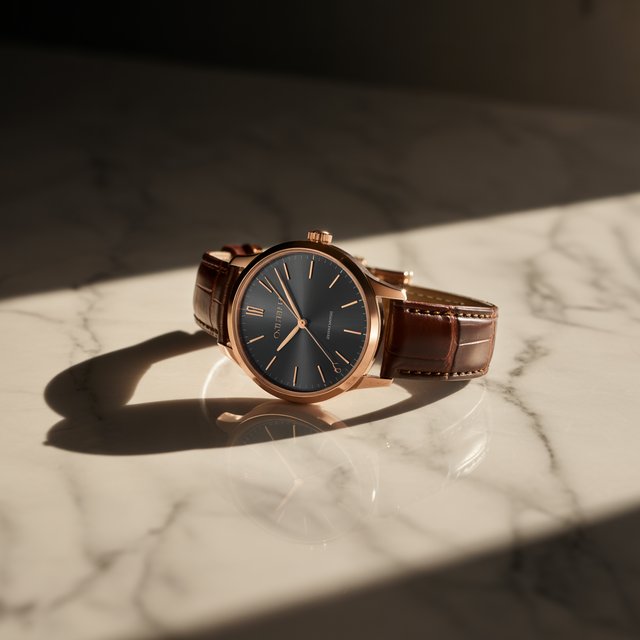
Elegant analog wristwatch displayed on a marble surface

Timeless Watch Styling: How to Choose an Analog Timepiece for Every Modern Occasion

The modern watch is one of the few accessories capable of combining practical timekeeping with a strong sense of personal style. While clothing trends can change from season to season, a carefully selected analog timepiece can remain relevant for years because its appeal is based on proportion, legibility, material, craftsmanship, and versatility rather than temporary fashion.

Choosing the right watch becomes easier when the decision is approached as a combination of function and design. A professional may need a refined watch that works naturally with business clothing, while someone with a relaxed wardrobe may prefer a durable daily model. Others may want a sophisticated piece for formal occasions or a minimalist design that complements a modern aesthetic.

The broad world of watches provides solutions for all of these situations. From a traditional Classic Analog Watch to a contemporary minimalist model, the most successful choice is usually the one that fits the wearer's routine as naturally as it fits the wrist.

The Anatomy of a Well-Designed Analog Watch

A watch may look simple from a distance, but its appearance is the result of numerous design decisions. The case determines the overall silhouette, the dial establishes visual hierarchy, the hands communicate time, and the strap or bracelet completes the relationship between the watch and the wrist.

Case shape is one of the first characteristics noticed by the eye. Round cases remain especially popular because they have a familiar appearance and can easily transition between traditional and contemporary styles. Other shapes can introduce a stronger personality, but classic proportions generally offer exceptional versatility.

The dial is equally important. A successful dial balances readability with visual character. Hour markers must be sufficiently visible, the hands should contrast with the dial, and additional details should be arranged without creating unnecessary visual congestion.

The strap or bracelet also contributes substantially to the identity of the watch. Leather can create a warmer and more formal appearance, while stainless steel can produce a practical and contemporary effect. Different materials can therefore transform the same basic watch architecture into very different styling options.

Specifications, Functions, and Main Advantages

Specification Primary Function Practical Advantage Best Styling Context
Analog Dial Displays time through traditional hands and markers. Simple, recognizable, and visually refined. Professional, formal, and everyday use.
Classic Case Protects the movement and establishes the watch profile. Offers long-term visual versatility. Business and smart-casual clothing.
Quartz Movement Regulates time electronically using a battery-powered system. Convenient and practical for everyday ownership. Daily wear and practical collections.
Mechanical Movement Uses traditional mechanical components for timekeeping. Appeals to enthusiasts interested in mechanical craftsmanship. Dress and enthusiast collections.
Leather Strap Connects the case comfortably to the wrist. Adds warmth and a refined appearance. Formal and professional outfits.
Steel Bracelet Provides a durable metal wrist connection. Strong versatility and practical everyday use. Business-casual and daily styling.
Readable Markers Help the wearer interpret the time quickly. Improves everyday practicality. All-purpose use.
Protective Crystal Creates a transparent protective layer over the dial. Helps protect the visible face during normal use. Everyday and formal watches.

Six Features That Create a Strong Everyday Timepiece

Balanced Proportions

A balanced relationship between case, dial, hands, markers, and strap makes a watch look intentional and comfortable rather than visually excessive.

Clear Legibility

Well-defined markers and hands make it possible to read the time quickly while preserving the clean visual character of the dial.

Material Versatility

Leather, steel, and other strap materials allow the watch to adapt to different wardrobes and occasions.

Comfortable Fit

A correctly sized case and appropriately adjusted strap help the watch remain comfortable during extended periods of wear.

Timeless Styling

Restrained designs are less dependent on short-lived fashion cycles and can remain useful as personal style evolves.

Practical Functionality

A watch should provide the functions genuinely needed by the wearer without adding unnecessary complexity.

Minimalist Watches and the Power of Simplicity

Minimalism has become a defining direction in modern watch design because it provides a clean visual experience. A Minimalist Analog Watch generally reduces the number of visual elements on the dial and gives greater importance to spacing, proportion, and contrast.

A minimalist watch does not need to be plain. The appeal can come from subtle details such as a finely textured dial, carefully shaped hands, a polished bezel, or a contrasting seconds hand. These elements remain understated while adding personality when viewed closely.

Minimalist watches are especially useful for modern wardrobes because their clean lines can complement structured clothing without creating visual competition. A simple dial can sit comfortably alongside tailored shirts, jackets, knitwear, chinos, or other contemporary pieces.

The restrained appearance can also make the watch highly adaptable. Instead of being associated with one particular occasion, a minimalist design may move naturally from a professional environment to a relaxed evening setting.

Another advantage is visual longevity. Because minimalist watches generally avoid excessive decorative features, they are less dependent on changing aesthetic trends. The result can be an accessory that remains appropriate as clothing preferences develop.

How Luxury Dress Watches Create a Refined Appearance

Formal occasions often call for accessories with a quieter visual presence. A Luxury Dress Watch typically focuses on elegant proportions, refined finishing, sophisticated materials, and a dial that remains readable without becoming visually aggressive.

Thin case profiles are frequently associated with dress-oriented styling because they can sit comfortably beneath a shirt cuff. This creates a smooth transition between the watch and formal clothing rather than allowing the case to become a dominant feature.

Dial finishing can also influence the character of a dress watch. A lightly textured surface can add depth, while polished markers can introduce small reflections that become visible as the wrist moves.

Leather straps are especially compatible with formal designs. Black leather can create a crisp and traditional appearance, while brown leather may provide a warmer character. Dark blue and other restrained shades can introduce additional variety without sacrificing sophistication.

A formal watch should also be considered in relation to the rest of the outfit. The case metal, strap color, belt, shoes, and other accessories do not necessarily need to match perfectly, but they should form a coherent visual combination.

Classic Dress Watch Styling for Professional Environments

The Classic Dress Watch remains a dependable option for professional settings because it communicates refinement without requiring excessive decoration.

A clean dial with traditional markers can complement a suit or tailored jacket particularly well. The watch becomes a finishing detail rather than the central focus of the outfit.

For business environments, neutral colors provide considerable flexibility. Silver, white, black, dark blue, and restrained metallic finishes can work across different shirt and suit combinations.

Case size deserves careful consideration. A watch that is too large may dominate formal clothing, while a watch that is appropriately proportioned can create a more balanced appearance. The correct choice depends on wrist dimensions, case shape, and personal preference.

Thickness is equally important. A slim profile can disappear naturally beneath a cuff, whereas a thicker case may create more wrist presence. Both approaches can be attractive when the proportions are consistent with the intended design.

Choosing a Casual Everyday Watch

Daily wear requires a different balance of priorities. A Casual Everyday Watch should ideally be comfortable enough for extended wear while remaining adaptable to different clothing choices.

Everyday watches benefit from clear dials and practical construction. The wearer should be able to check the time quickly without needing to interpret an overly complicated display.

Strap selection also becomes important. A metal bracelet can provide a durable and versatile option, while leather can deliver greater warmth and a more traditional appearance. The correct choice depends on the user's daily routine and preferred style.

An everyday watch can also be a useful foundation for a small collection. Instead of buying numerous specialized models immediately, a versatile daily watch can cover a broad range of situations before additional styles are introduced.

Practicality should remain central. The watch should be easy to wear, easy to coordinate with clothing, and appropriate for the environments where it will spend most of its time.

Understanding Different Watches Brands

Exploring different Watches Brands can reveal significant differences in design philosophy, movement selection, materials, finishing, and collection structure.

Some brands focus heavily on traditional styling, while others emphasize modern minimalism. Certain collections may concentrate on formal watches, while others are designed around everyday versatility.

Brand recognition can be relevant, but it should not replace practical evaluation. Buyers should consider the complete specification of the watch and determine whether its characteristics match the intended use.

Comparing collections can also help identify recurring design patterns. Case shapes, dial layouts, bracelet construction, crown design, and finishing techniques can provide useful clues about the overall character of a particular watch.

A professional buying process therefore looks at both brand identity and individual product characteristics. This makes it easier to select a watch because it fits the user's needs rather than simply because the name is familiar.

Case Size: Finding the Right Visual Balance

Case diameter is one of the first measurements buyers encounter, but it should never be evaluated in isolation. Lug length, case thickness, bezel width, dial opening, and strap width can all influence how large a watch appears.

A wide dial can make a watch appear more substantial, while a broad bezel can reduce the apparent size of the dial. Long lugs may extend the watch's visual footprint even when the case diameter itself seems moderate.

Wrist shape also matters. Two people with similar wrist measurements can experience the same watch differently because of differences in wrist profile and personal preference.

The best approach is to evaluate the watch as a complete object. The case should sit securely, the lugs should remain visually appropriate, and the strap should create a balanced transition from the case to the wrist.

Case Thickness and Shirt Cuffs

Case thickness is especially important for formal wear. A slim watch can slide beneath a cuff with little resistance and can create an elegant side profile.

Thicker cases may provide more wrist presence and can work particularly well with casual clothing. However, they may be less convenient with closely fitted cuffs.

Buyers who wear formal clothing frequently should therefore consider not only the appearance of the dial but also how the entire case behaves beneath clothing.

A watch should be comfortable while the wrist moves naturally. Excessive thickness, a poorly positioned crown, or an unsuitable strap can become noticeable after several hours.

Leather Straps: Traditional Character and Comfort

Leather straps remain one of the most recognizable choices for traditional watches. Their texture can add warmth to the visual character of a metal case and can create a particularly refined appearance.

Smooth leather tends to appear formal, while textured leather can introduce a more relaxed personality. Stitching can also affect the visual impression, especially when the thread subtly contrasts with the strap.

Strap color creates another styling opportunity. Black can appear formal and crisp, brown can create warmth, and dark blue can introduce a contemporary alternative while maintaining a sophisticated tone.

Leather does require appropriate care. Prolonged exposure to moisture, excessive heat, or unsuitable cleaning products can affect the material. Proper storage and regular gentle cleaning can help preserve the strap's appearance.

Stainless Steel Bracelets for Modern Versatility

Stainless steel bracelets offer a practical alternative to leather. Their visual character can range from understated to highly polished depending on the finishing technique.

Brushed surfaces tend to produce a softer appearance, while polished sections can create brighter reflections. Some bracelets combine both finishes to create greater depth.

Bracelet sizing should be taken seriously because comfort depends heavily on correct adjustment. A bracelet that is excessively loose may move around the wrist, while one that is too tight can become uncomfortable during natural movement.

Metal bracelets can be particularly useful for people who want one watch to cover professional and casual environments. Their neutral material can coordinate with a wide range of clothing.

Quartz Movements and Practical Ownership

Quartz movements are often selected for their convenience. Their electronic timekeeping system is designed around practical everyday use, making quartz watches a common choice for people who want straightforward ownership.

Battery replacement is a normal maintenance consideration. Owners should follow the manufacturer's recommendations and avoid allowing a depleted battery to remain inside the watch for extended periods.

Quartz watches can be particularly suitable for people who own several watches and rotate them. The relatively straightforward ownership routine allows the wearer to focus on style and convenience.

The movement should still be considered alongside other characteristics. A practical movement does not automatically make every watch suitable for every purpose; case design, comfort, durability, and readability remain important.

Mechanical Movements and Traditional Watchmaking

Mechanical movements appeal to people who appreciate the engineering behind traditional watch construction. Instead of relying on a simple electronic timekeeping system, a mechanical watch uses a network of moving components to regulate and display time.

The appeal is often as much about craftsmanship as function. Enthusiasts may enjoy learning about movement architecture, finishing, power reserve, winding systems, and the relationship between individual components.

Mechanical watches generally require a more deliberate approach to maintenance. Periodic servicing may be necessary according to the manufacturer's recommendations.

For a buyer who values traditional watchmaking, this additional involvement can become part of the enjoyment of ownership. For someone focused primarily on convenience, a quartz model may better align with practical priorities.

Dial Colors and Wardrobe Coordination

Dial color can significantly change the character of a watch. White and silver dials often communicate traditional elegance, while black can create a stronger and more contemporary impression.

Blue has become a versatile choice because it can provide visual interest without becoming difficult to coordinate. Dark blue can remain relatively restrained, while lighter or more vibrant shades create a more noticeable accessory.

Neutral colors are particularly useful for people who want one watch to work with many outfits. A versatile dial allows the clothing to change while the watch remains consistent.

Buyers should also consider how the dial interacts with the strap and case. A blue dial with a steel bracelet can create a modern appearance, while the same color with a leather strap can feel more traditional.

Choosing Between Arabic, Baton, and Roman Markers

Hour markers are a major part of a watch's identity. Arabic numerals are highly recognizable and can provide strong readability. Baton markers tend to create a cleaner and more minimalist appearance.

Roman numerals often communicate a more traditional character and can work especially well with dress-oriented designs. Their visual complexity can add formality without requiring additional decorative elements.

The choice should reflect the overall design. Marker style, hand shape, dial typography, case finishing, and strap material should work together rather than appearing independently selected.

The Importance of Hand Design

Watch hands need to perform a practical function while contributing to the visual language of the dial. Their length, width, shape, and finishing affect readability and personality.

Slim hands can create a delicate formal appearance, while broader hands can improve visual strength. Sword-shaped, dauphine-style, baton, and other hand profiles can communicate different design traditions.

Contrast remains essential. A beautiful hand design loses practical value if it becomes difficult to distinguish from the dial background.

Seconds hands can also provide a subtle accent. A contrasting seconds hand may add movement and personality while keeping the main hour and minute display restrained.

How to Build a Small but Versatile Watch Collection

A useful collection does not need to be large. The most efficient approach is often to begin with a watch capable of covering several situations and then add specialized designs as specific needs emerge.

An everyday watch can provide the foundation. A formal dress watch can then be added for occasions where a more refined profile is desirable. A minimalist watch can offer another visual option for modern professional or casual clothing.

Strap changes can also create additional variety. One case paired with leather may look formal, while the same case paired with a steel bracelet may become more versatile for daily wear.

Color can provide another dimension. A neutral watch can serve as the primary piece, while a darker or more distinctive dial can add variation.

Matching a Watch With Business Clothing

Business clothing generally benefits from accessories that appear deliberate but controlled. A watch with balanced proportions and a readable dial can complement a shirt, blazer, trousers, or suit without becoming distracting.

Leather straps are particularly natural with formal tailoring. A clean black strap can create a sharp appearance, while brown can introduce a softer visual relationship with warm-colored clothing.

Steel bracelets can work effectively in business-casual environments, especially when paired with a clean dial. They can create a contemporary impression without becoming overly sporty.

The objective is coordination. The watch should support the outfit's overall character rather than compete with the most important elements of the clothing.

Styling an Analog Watch With Casual Clothing

Casual clothing gives the wearer more flexibility. An analog watch can be paired with jeans, chinos, casual shirts, knitwear, jackets, polo shirts, and other relaxed garments.

A steel bracelet can make the watch feel contemporary, while leather can introduce a more traditional character. A neutral dial can also help maintain consistency across changing outfits.

Casual styling does not mean that proportions become irrelevant. A well-sized watch can make an outfit feel more complete, while an excessively large or overly decorative model may dominate the visual balance.

Comfort should also remain important because casual watches are often worn for extended periods during weekends, travel, shopping, commuting, and other daily activities.

Watch Crystal and Everyday Protection

The crystal is the transparent component positioned above the dial. Its primary role is to provide a clear viewing surface while helping protect the visible face of the watch.

Different watch constructions use different crystal materials and designs. Buyers should consider the manufacturer's specifications and the environment in which the watch will be used.

A watch intended for frequent everyday use may face more opportunities for accidental contact than a formal watch worn only occasionally. This makes the crystal specification particularly relevant for daily ownership.

Regardless of the crystal material, sensible care remains important. Avoiding unnecessary contact with hard surfaces and storing the watch appropriately can help preserve its appearance.

Water Resistance and Responsible Use

Water resistance should always be understood according to the manufacturer's stated specification. A water-resistant watch should not automatically be treated as suitable for every aquatic environment.

Seals can age over time, and the protective characteristics of a watch can change after servicing or physical impact. Owners should therefore follow the specific care guidance provided for their watch.

Leather straps deserve particular attention because moisture can affect the material. A steel bracelet may be more practical for certain everyday environments, depending on the watch's documented water-resistance specifications.

Responsible use is ultimately about matching the watch to its intended conditions rather than assuming that all watches provide the same level of protection.

Why Comfort Should Influence the Buying Decision

A watch can look excellent in a product photograph and still feel unsuitable on the wrist. Comfort depends on several factors, including case weight, case thickness, lug shape, strap flexibility, clasp design, and wrist proportions.

A watch intended for daily wear should be comfortable enough that the wearer does not constantly notice its presence. The case should remain stable, while the strap should provide enough flexibility for natural movement.

Weight is another consideration. Some people appreciate a substantial watch because it creates a strong sense of presence, while others prefer a lightweight design that can be worn throughout the day without distraction.

The best choice depends on personal preference and intended use. Comfort should therefore be evaluated alongside appearance rather than treated as an afterthought.

Maintenance Habits That Support Long-Term Ownership

Simple Watch Care Principles

Keep the watch clean, follow manufacturer care instructions, store it safely when it is not being worn, and use professional servicing when the movement or seals require attention. Different materials require different care, so avoid treating leather, metal, crystal, and mechanical components in exactly the same way.

Regular cleaning can help preserve the visual appearance of a watch. A soft cloth can remove ordinary surface residue, while more detailed cleaning should follow the manufacturer's recommendations.

Leather straps should be kept away from unnecessary moisture and should be allowed to dry naturally when appropriate. Excessive exposure to water can affect the material and shorten its useful life.

Metal bracelets can also accumulate residue around links and clasps. Periodic professional cleaning may be appropriate depending on usage and construction.

Watches with mechanical movements may require servicing according to the manufacturer's guidance. Proper maintenance helps ensure that the watch continues to perform as intended and allows potential issues to be identified before they become more significant.

How to Evaluate a Watch Before Purchase

Professional Buying Checklist

  • Confirm the intended use of the watch.
  • Review case diameter and thickness.
  • Consider lug length and overall wrist proportions.
  • Evaluate dial readability in different lighting conditions.
  • Choose between leather, steel, or another strap material.
  • Understand the movement and its maintenance requirements.
  • Review the manufacturer's water-resistance information.
  • Consider warranty and after-sales service.
  • Check whether replacement straps are available.
  • Compare the watch with the existing wardrobe.

The first question should always be about purpose. A watch selected for formal meetings has different priorities from a model selected for daily commuting or relaxed weekend use.

The second consideration should be proportion. Buyers often focus heavily on the dial or brand name, but the physical relationship between the watch and wrist has a major influence on comfort and appearance.

The third consideration should be long-term usability. A watch that looks attractive but rarely matches the owner's clothing or routine may receive less use than a simpler and more versatile alternative.

Why Versatility Creates Better Wardrobe Integration

A versatile watch can become one of the most frequently used accessories in a wardrobe because it adapts to different clothing combinations. Neutral colors, moderate proportions, and restrained decoration all contribute to this flexibility.

A versatile design also simplifies daily decisions. Instead of selecting a watch from a large collection every morning, the wearer can rely on a trusted timepiece that naturally complements most outfits.

This does not mean every watch should be neutral. A collection can include distinctive pieces, but having at least one adaptable model creates a reliable foundation.

The concept is particularly useful for people who travel frequently. A single well-chosen watch can reduce the need to carry multiple accessories while still providing an appropriate appearance across different settings.

Traditional Style With Modern Details

Contemporary watch design does not require abandoning traditional principles. Many successful designs combine classic case shapes with modern dial colors, updated finishing, contemporary bracelets, or improved everyday functionality.

This combination can be especially appealing to buyers who want a watch to feel current without becoming overly dependent on a specific trend.

A traditional round case with a clean blue dial, for example, can feel modern while retaining familiar proportions. Similarly, a classic leather strap can be paired with a more contemporary case finish.

The result is a design language that respects traditional watch aesthetics while remaining compatible with modern wardrobes.

How Finishing Changes the Character of a Watch

Surface finishing can have a significant effect on how a watch appears under different lighting. Polished surfaces reflect light strongly and can create a more formal or luxurious impression.

Brushed surfaces tend to diffuse reflections and often create a more understated appearance. Combining polished and brushed sections can provide contrast and emphasize case geometry.

Finishing becomes particularly visible around the bezel, lugs, bracelet, and case sides. These details may not dominate the first impression, but they can significantly influence the perception of quality when the watch is examined closely.

Buyers interested in long-term style should pay attention to these subtle characteristics because they can determine whether the watch continues to look refined as personal preferences evolve.

The Relationship Between Watch and Accessories

A watch rarely exists visually on its own. It interacts with belts, shoes, bags, eyewear, jewelry, and clothing. Successful styling comes from creating relationships between these elements without forcing them to be identical.

Metallic finishes can be coordinated subtly. A silver-tone watch can work naturally with other cool metallic accessories, while warmer metal finishes can complement warmer color palettes.

Leather accessories can also influence strap selection. A brown leather strap may create a cohesive visual connection with a brown belt or shoes, while black leather can produce a more formal and consistent appearance.

These relationships should remain flexible. Modern styling does not require every accessory to match exactly. The objective is a coherent overall appearance rather than rigid uniformity.

Choosing a Watch for Travel and Daily Movement

Travel introduces additional considerations because a watch may need to work across multiple outfits and environments. A versatile design can reduce packing requirements while maintaining a polished appearance.

Readability is particularly useful during travel because the wearer may need to check the time quickly in unfamiliar surroundings. A clear analog display can provide immediate information without additional interaction.

Comfort also becomes more important when a watch is worn for extended periods during transportation, walking, meetings, or sightseeing.

Travelers should also consider storage. A watch should be protected from unnecessary impacts and kept separately from objects that could scratch its case or crystal.

Building a Professional Personal Image With a Watch

Accessories can contribute to the overall impression created by an outfit. A carefully selected watch can communicate attention to detail without requiring a large or visually dominant design.

Professional environments generally reward consistency. A restrained watch that works naturally with business clothing can become part of a recognizable personal style.

The goal should not be to use the watch as a substitute for professional appearance. Instead, it can function as one component of a complete wardrobe in which clothing, footwear, accessories, and grooming work together.

A classic watch can therefore become a subtle signature piece. Its value comes from repeated, consistent use rather than from being visually excessive.

When a Minimalist Watch Is the Right Style Choice

Minimalist watches are particularly suitable when the wearer prefers clean clothing, simple color palettes, modern silhouettes, or accessories that remain visually quiet.

They can also be effective when an outfit already contains strong visual elements. Instead of introducing another competing feature, a minimalist watch provides balance.

The absence of unnecessary decoration can also increase versatility. A simple dial can often work with formal, professional, and casual clothing without looking out of place.

Minimalism should not be confused with lack of quality. A restrained watch can still contain carefully finished components and sophisticated construction.

When a Dress Watch Is the Right Style Choice

Dress watches are naturally suited to situations where elegance and restraint are important. Formal meetings, ceremonies, professional events, and refined evening occasions can all benefit from a watch with appropriate proportions and a polished appearance.

The key is to avoid unnecessary visual bulk. A formal watch usually works best when it complements the clothing rather than becoming the most noticeable element.

Leather straps can reinforce the formal character, while restrained dial colors can make coordination easier.

The watch should also be comfortable beneath sleeves. This practical detail can make a significant difference during long formal events.

When an Everyday Watch Is the Right Style Choice

An everyday watch is appropriate when versatility and convenience are the primary objectives. It can serve as a dependable accessory for work, errands, commuting, casual social occasions, and ordinary routines.

Everyday designs typically benefit from straightforward readability and comfortable construction. A neutral appearance can also make the watch easier to integrate into a changing wardrobe.

For many buyers, an everyday watch can serve as the first piece in a broader collection. Once its practical role is established, specialized watches can be added for formal or stylistic variety.

Frequently Asked Questions About Modern Analog Watches

What makes an analog watch timeless?

Balanced proportions, clear readability, restrained decoration, versatile materials, and a design that does not depend heavily on short-lived trends can contribute to a timeless appearance.

Explore Classic Analog Watch styles

Why choose a minimalist analog watch?

A minimalist design reduces visual clutter and focuses attention on essential elements such as the hands, markers, dial, and case proportions.

Explore Minimalist Analog Watch designs

What defines a luxury dress watch?

A luxury dress watch generally emphasizes refined proportions, elegant finishing, sophisticated materials, and a design appropriate for formal or professional environments.

View Luxury Dress Watch collections

Can a classic dress watch be worn to work?

Yes. A classic dress watch can complement professional clothing, especially when its size, strap, dial color, and overall level of formality suit the workplace.

Browse Classic Dress Watch options

What should I look for in an everyday watch?

Comfort, readability, durability, versatility, practical maintenance, and compatibility with everyday clothing are useful characteristics for a daily timepiece.

Explore Casual Everyday Watch styles

How should I compare watch brands?

Compare movement types, materials, case dimensions, design philosophy, finishing, warranty support, servicing options, and the intended use of each collection.

Explore Watches Brands

Is a leather strap suitable for formal clothing?

Leather is widely associated with formal and professional watch styling because its texture and appearance can complement tailored clothing effectively.

Discover Luxury Dress Watch styles

Are steel bracelets good for everyday use?

A steel bracelet can be a practical everyday option because it offers a durable appearance and can transition between professional and casual clothing.

See Casual Everyday Watch designs

Does watch size depend on wrist size?

Wrist size is an important consideration, but case diameter should be evaluated together with thickness, lug length, bezel width, and strap width.

Explore proportion-focused Minimalist Analog Watch styles

Which dial colors are most versatile?

Neutral shades such as white, silver, black, and dark blue are generally easy to coordinate with a broad range of clothing.

View versatile Classic Dress Watch designs

What makes a watch easy to read?

Clear contrast, appropriately sized hands, well-defined markers, sensible spacing, and a clean dial layout all contribute to legibility.

Browse readable Classic Analog Watch designs

Can one watch work with formal and casual outfits?

A moderately sized watch with a neutral dial and versatile strap or bracelet can often transition between professional, formal, and casual clothing.

Explore flexible Casual Everyday Watch options

How should leather straps be maintained?

Leather should be protected from unnecessary prolonged moisture and maintained according to the material's specific care instructions.

Explore Luxury Dress Watch designs

Is minimalism only about appearance?

No. Minimalism is primarily a design approach that emphasizes essential information, visual order, spacing, and restrained decoration. It can also improve practical readability.

Discover Minimalist Analog Watch collections

What is the difference between quartz and mechanical watches?

Quartz watches use electronic regulation and typically a battery, while mechanical watches use traditional mechanical components to regulate and display time.

Compare Watches Brands and collections

Can a dress watch be worn every day?

It can be used daily when its comfort, construction, and specifications suit the owner's routine. A dress-oriented design can work particularly well in professional environments.

Explore Classic Dress Watch options

Why are classic watches useful for business clothing?

Their restrained appearance can complement tailored clothing without competing with the overall outfit. Neutral colors and traditional proportions are particularly adaptable.

Browse Luxury Dress Watch options

What should an everyday watch prioritize?

An everyday model should prioritize comfort, readability, durability, manageable maintenance, and compatibility with the wearer's usual clothing.

View Casual Everyday Watch styles

How can an analog watch enhance an outfit?

A well-proportioned watch can add a deliberate finishing detail and reinforce the overall character of an outfit through its case, dial, strap, and material choices.

Discover Classic Analog Watch designs

Are neutral watches easier to style?

Neutral case finishes and dial colors can coordinate with many clothing combinations, making them useful for buyers who want maximum wardrobe flexibility.

Explore Watches Brands

Does strap width affect the appearance of a watch?

Yes. Strap width contributes to the visual balance between the case and wrist. A proportionate strap can make the complete watch look more cohesive.

Explore Minimalist Analog Watch proportions

Can a watch collection be built gradually?

Yes. Starting with a versatile everyday model and adding dress or minimalist styles later can provide useful variety without requiring a large collection from the beginning.

Explore Casual Everyday Watch options

What makes a dress watch visually refined?

Slim proportions, restrained decoration, clean markers, suitable finishing, and a strap that complements formal clothing can contribute to a refined dress-watch appearance.

Browse Classic Dress Watch styles

Where can different watch categories be explored?

A dedicated watch collection can make it easier to compare classic, minimalist, dress-oriented, and everyday designs according to preferred style and intended use.

Explore the complete watch collection

Professional Watch Selection Checklist

A professional approach to watch selection begins with defining the role the timepiece needs to play. Buyers should first identify whether the watch will primarily be used for formal occasions, business environments, everyday routines, travel, or a combination of several situations.

Once the purpose is clear, case proportions become easier to evaluate. The watch should sit naturally on the wrist, remain comfortable during movement, and maintain a visual relationship with the wearer's clothing.

The dial should then be evaluated for readability and personality. A complicated dial may offer additional information, but a simpler design may be more appropriate when clarity and versatility are the main priorities.

Material selection follows naturally. Leather can create a traditional and refined appearance, while steel can provide a modern and durable alternative. The choice should reflect both the desired style and the environment in which the watch will be worn.

Finally, movement, maintenance, warranty, and service considerations should be reviewed. A good-looking watch becomes significantly more useful when its ownership requirements align with the buyer's expectations.

Creating a Signature Watch Style

Personal style becomes easier to manage when a consistent visual direction is established. Some people naturally gravitate toward traditional designs, while others prefer minimalist cases, contemporary dials, or more substantial everyday watches.

A signature watch style does not require owning only one type of watch. Instead, it means that different pieces share certain characteristics such as preferred case proportions, dial colors, materials, or levels of decoration.

This consistency can make future purchases easier because the buyer already understands what works well with their wardrobe.

It can also prevent unnecessary duplication. Instead of buying several watches that perform the same role, a collection can be organized around distinct purposes while maintaining a coherent aesthetic.

The Practical Value of a Well-Chosen Watch

A watch can provide value through frequent use rather than through complexity. A simple, comfortable, and versatile design may become more useful than a highly specialized model that rarely matches the wearer's lifestyle.

Practical value also comes from durability and maintainability. A watch that can be comfortably worn for years and serviced when necessary can become a dependable part of a wardrobe.

Versatility is another important form of value. A timepiece that works with business clothing, casual clothing, and travel can reduce the need for multiple accessories.

The most successful purchase is therefore usually the one that balances appearance, comfort, function, maintenance, and intended use rather than focusing on a single characteristic.

Modern Watch Design and Long-Term Appeal

Modern watch design continues to evolve, but many of the most useful principles remain consistent. Good proportion, readable displays, comfortable construction, suitable materials, and coherent styling remain important regardless of changing trends.

Classic designs can incorporate contemporary details without losing their traditional identity. Minimalist watches can introduce subtle textures, modern colors, or innovative finishing while preserving their clean visual structure.

Dress watches can also evolve through updated case materials, refined bracelets, and contemporary dial treatments. Everyday watches can combine traditional analog displays with practical construction suited to modern routines.

This combination of established design principles and contemporary details is one reason analog watches remain relevant across generations and changing fashion environments.

Making the Most of a Single Versatile Timepiece

Not every wearer needs a large collection. A carefully selected watch can serve many purposes when its proportions and styling are sufficiently adaptable.

A neutral dial, moderate case size, comfortable strap, and understated finishing can create a timepiece suitable for work, travel, casual activities, and many social situations.

The strap can then provide additional flexibility. Changing from leather to another compatible strap can alter the visual character without requiring a completely different watch.

This approach can be particularly attractive for people who prefer simplicity. Instead of constantly changing accessories, the wearer develops familiarity with one dependable piece that becomes part of the daily routine.

Professional Final Buying Considerations

Before selecting a watch, consider how frequently it will be worn, which clothing it needs to complement, how much wrist presence is desired, and how much maintenance is acceptable.

Check the dimensions rather than relying solely on photographs. Review the case diameter, thickness, lug-to-lug dimensions when available, strap width, movement type, and water-resistance specifications.

Consider whether the dial remains readable under different lighting conditions and whether the hands and markers have enough contrast.

Examine the strap or bracelet because it has a direct effect on comfort. The best case design can be undermined by an uncomfortable strap.

Finally, think about how the watch will fit into the wardrobe over time. A design that remains useful across multiple occasions can provide greater practical value than a piece chosen solely for a temporary trend.

Best Hotels and Resorts in Jordan: Expert Reviews, Prices, Locations, and Travel Tips

Click here to explore hotels in Jordan 1. Hotels and Resorts in Jordan: What Should You Expect? Jordan offers several accommo...