Building a High-Value Women's Tops Wardrobe
A well-designed collection of women's tops does far more than fill a closet. The right selection creates the foundation for daily dressing, professional outfits, weekend combinations, travel wardrobes, seasonal layering and polished evening looks. Tops are among the most frequently worn pieces in a wardrobe, which means their fabric, construction, silhouette, color and versatility can have an unusually strong influence on how practical the entire closet feels.
A sophisticated wardrobe does not require an enormous number of garments. Instead, it benefits from a deliberate mixture of reliable basics, distinctive textures, flattering silhouettes and elevated pieces that can move between different settings. A simple cotton shirt can become part of a relaxed weekend outfit, while a refined blouse can immediately create a more polished appearance with tailored trousers or a structured skirt.
The most useful strategy is to understand what each category contributes. A classic basic provides repetition and flexibility. An oversized silhouette introduces a relaxed contemporary character. Ribbed fabric adds texture and shape. Long sleeves extend seasonal usability. V-neck designs create a visually open neckline, while satin introduces shine and evening sophistication.
Wardrobe principle: Choose women's tops according to function first, then color, fabric, silhouette and styling potential. A beautiful garment becomes significantly more valuable when it can work with several pieces already in the wardrobe.
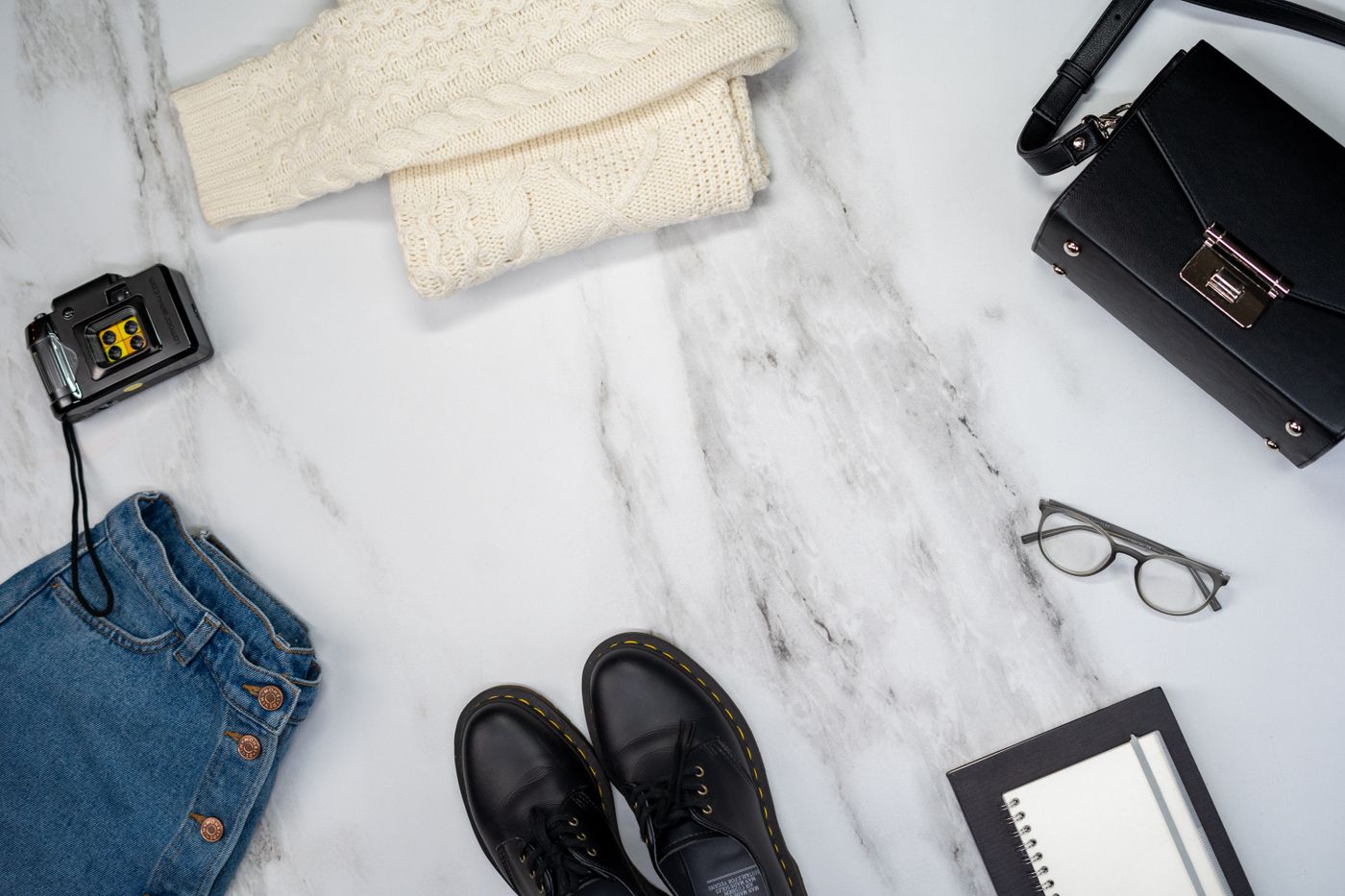
A clean wardrobe begins with versatile pieces that can be styled across multiple occasions.
Understanding the Role of Everyday Tops
Everyday tops are the workhorses of a modern wardrobe. They are often worn more frequently than statement garments because they can be repeated without making an outfit feel identical. A dependable top can support denim, tailored trousers, wide-leg pants, shorts, skirts, layered jackets and cardigans.
The Women’s Classic Cotton T-Shirt represents one of the most adaptable categories because a clean silhouette can be dressed upward or downward. The same general concept works beneath a blazer for a relaxed professional look, with jeans for casual dressing, or beneath a cardigan when additional warmth is needed.
When evaluating an everyday top, pay attention to the neckline, sleeve proportion, fabric weight, seam placement and overall length. Small differences in these areas can change how the garment behaves. A slightly heavier cotton may hold its structure more effectively, while a lighter knit may feel better during warmer weather.
Color is equally important. Neutral shades such as white, black, cream, navy, grey and soft beige can form a reliable foundation. Once those colors are covered, selected accent shades can introduce personality without making the wardrobe difficult to coordinate.
Why Basic Tops Deserve Careful Selection
Because basic tops are worn repeatedly, quality becomes more noticeable over time. A garment that loses its shape after several washes can undermine the polished appearance of an otherwise carefully planned outfit. Look for consistent stitching, balanced seams, comfortable fabric recovery and a neckline that maintains its structure.
Basic does not have to mean boring. Proportion, texture and styling can create distinction even when the garment itself is visually simple. A premium-looking neutral top can become a central component of dozens of outfits.
Oversized Silhouettes and Contemporary Proportion
Oversized tops have become an important part of contemporary women's fashion because they offer a relaxed alternative to close-fitting silhouettes. Their appeal comes from proportion: extra volume through the body or sleeves can create a deliberately casual appearance when balanced with the right lower half.
The Women’s Oversized Crew Neck T-Shirt can be styled with straight-leg jeans, fitted trousers, leggings, structured skirts or relaxed denim. The key is not simply choosing a larger size. A true oversized design is normally cut intentionally, with proportions that create controlled volume rather than an accidental fit.
For a balanced silhouette, consider pairing a generous top with a cleaner lower silhouette. Conversely, an oversized top can work with wide-leg trousers when the entire outfit intentionally embraces relaxed proportions. Accessories can then provide structure through shape, scale or contrast.
How to Make Oversized Tops Look Polished
One useful styling technique is partial tucking. Tucking a small section of the front into trousers or jeans can create definition without removing the relaxed character of the top. Another approach is layering a structured outer garment over the oversized piece, provided the jacket or coat has enough room to accommodate the fabric.
Color can also control the visual effect. Monochromatic combinations can make oversized dressing appear more refined, while contrasting colors emphasize the casual nature of the silhouette.

Soft neutral and pastel clothing demonstrates how color and proportion can create a calm wardrobe aesthetic.
Ribbed Tops: Texture, Structure and Layering
Texture can transform a simple top into a more visually interesting wardrobe piece. Ribbed fabrics are particularly useful because their vertical or directional texture can add depth while maintaining a relatively simple silhouette.
The Women’s Ribbed Short Sleeve Top can occupy the space between a basic T-shirt and a more structured fashion top. Depending on the fabric and cut, it can work beneath jackets, under open shirts, alongside skirts or with denim.
When shopping for ribbed garments, inspect the recovery of the material. Good stretch should allow comfortable movement while returning to shape. Excessive stretching can change the appearance of the rib pattern and affect the overall fit.
Styling Ribbed Tops Across Seasons
In warm weather, a ribbed short-sleeve top can serve as a central piece with tailored shorts, denim or lightweight skirts. During transitional weather, it can be layered beneath a blazer, overshirt or cardigan. In colder conditions, it can become part of a layered foundation beneath heavier knitwear or outerwear.
Texture is especially effective when the rest of the outfit remains relatively restrained. A ribbed top with simple trousers and minimal accessories can look intentional without appearing overdesigned.
Texture strategy: When an outfit feels visually flat, adding texture can be more effective than adding additional colors. Ribbing, satin, knit patterns, subtle pleats and woven fabrics can provide visual interest while preserving a sophisticated palette.
Long-Sleeve Tops for Transitional Wardrobes
Long-sleeve tops are among the most practical categories because they provide additional coverage while remaining easy to layer. Their usefulness becomes especially apparent during transitional seasons when temperatures change throughout the day.
A Women’s Long Sleeve Basic Top can function as a standalone garment or as a foundational layer. Neutral long-sleeve styles are particularly useful because they can sit underneath jackets, sleeveless dresses, knit vests and coats without competing heavily with the rest of the outfit.
Fit is critical. Sleeves that are too tight can restrict movement, while excessive fabric can create unnecessary bulk beneath jackets. The ideal balance depends on intended use. A close-fitting top may be better for layering, whereas a relaxed long-sleeve design can be worn independently.
Choosing the Right Neckline
Neckline design changes the visual character of a long-sleeve top. Crew necks are classic and versatile. Mock necks provide a more architectural appearance. Boat necks can create a broader horizontal line, while V-necks introduce an open vertical element.
Rather than selecting a neckline solely because it is fashionable, consider how frequently it works with the jackets, necklaces, coats and dresses already owned. Wardrobe compatibility often creates more long-term value than trend alignment.
V-Neck Blouses and Refined Necklines
A blouse can create a noticeable shift from casual dressing toward a more polished aesthetic. V-neck designs are particularly adaptable because the neckline provides an open shape that can work with necklaces, scarves, blazers and structured outer layers.
The Women’s V-Neck Blouse can be used for office dressing, dinner outfits, special occasions and elevated everyday combinations. The final impression depends on the fabric, sleeve design, length and amount of structure.
A softly draped V-neck blouse can create a fluid aesthetic, while a more structured blouse can appear crisp and professional. The distinction is useful when building a wardrobe because different blouses can serve different environments without requiring radically different styling.

Minimal fashion presentation highlights the importance of branding, presentation and visual consistency in modern clothing.
V-Neck Styling Principles
A V-neck can be worn without accessories when the neckline itself provides enough visual interest. Alternatively, a delicate pendant can reinforce the vertical line. For a more formal appearance, a structured blazer can frame the neckline and create additional definition.
When the blouse contains a print or strong color, simpler accessories can keep the outfit balanced. If the blouse is neutral and minimal, jewelry, a belt or a statement handbag can introduce contrast.
Satin Blouses and Elevated Dressing
Satin introduces a different visual language. Its surface reflects light, creating movement and dimension even when the garment has a simple cut. This makes satin particularly useful when the goal is to create a polished outfit without relying on complicated detailing.
The Women’s Satin Button-Up Blouse can transition between evening dressing and sophisticated daytime outfits. With tailored trousers and refined footwear, it can become formal. With denim and understated accessories, the same blouse can feel more relaxed.
Satin does require thoughtful styling because its sheen naturally attracts attention. Pairing it with heavily embellished pieces can create unnecessary visual competition. Clean accessories, tailored bottoms and restrained color combinations often allow the fabric to become the focal point.
Day-to-Night Satin Styling
For daytime, consider combining a satin blouse with straight-leg denim, loafers and a structured handbag. For evening, replace the denim with tailored trousers or a sleek skirt and introduce more refined accessories.
Layering also changes the appearance. A satin blouse beneath a tailored blazer creates a polished combination, while wearing it open over a simple fitted top creates a more relaxed layered effect.
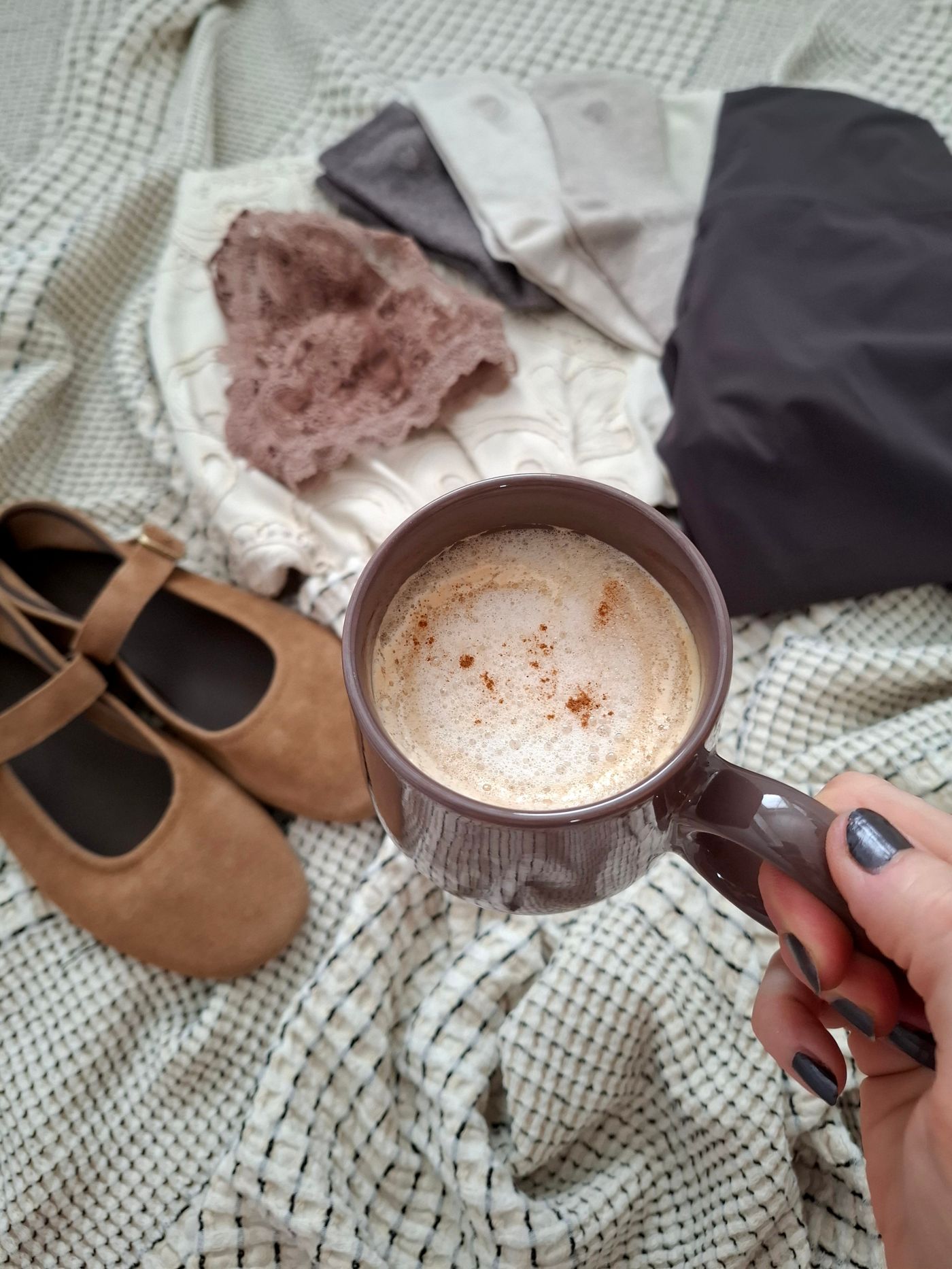
A refined flat lay illustrates how clothing, footwear and accessories can work together as a complete visual story.
Fabric Selection: The Foundation of Comfort and Appearance
Fabric affects comfort, drape, breathability, durability, texture and visual character. Understanding fabric behavior is therefore one of the most useful skills for anyone building a high-quality wardrobe.
Cotton is widely appreciated for its familiar hand feel and versatility. Depending on its weave and weight, cotton can range from lightweight and airy to substantial and structured. Blended fabrics can introduce stretch, improved recovery or easier care.
Ribbed knits generally add texture and elasticity. Satin fabrics emphasize surface shine and fluid movement. Linen and linen blends can create a relaxed warm-weather appearance. Modal and similar soft fibers may provide a smooth hand feel, while performance-oriented blends can prioritize moisture management and easy maintenance.
Questions to Ask Before Buying
- Does the fabric feel comfortable against the skin?
- Does the garment maintain its shape after movement?
- Is the fabric appropriate for the intended climate?
- Does the material require specialized care?
- Does the weight work with the intended layering strategy?
- Will the fabric remain visually appropriate after repeated wear?
- Does the texture complement the rest of the wardrobe?
Fit: The Difference Between Good and Great
Fit is often more important than trend. Two tops made from similar fabrics can produce completely different results because of shoulder width, body length, sleeve shape, neckline placement and garment volume.
A useful approach is to evaluate a top from several angles rather than focusing only on the front. The shoulder seam should make sense for the intended silhouette. The armhole should allow movement. The body should provide enough room for comfort without creating unwanted pulling or excessive fabric.
Length also deserves attention. Cropped styles can work particularly well with high-waisted trousers and skirts. Standard lengths offer broad compatibility. Longer tops can provide coverage and work well with leggings, slim trousers or layered styling.
Shoulder Fit
Check whether the shoulder seam sits intentionally. A precise shoulder position can make a simple top appear more refined.
Body Ease
Enough room allows natural movement while excessive volume can change the intended silhouette.
Sleeve Balance
Sleeve width and length should complement the overall proportion of the garment and the planned layering system.
Color Architecture for a Flexible Wardrobe
A strong wardrobe benefits from a deliberate color architecture. This does not mean every item must be neutral. Instead, colors should have relationships that make outfit building easier.
A practical foundation can begin with two or three dominant neutrals. Black and white create maximum contrast. Cream and beige create softer combinations. Navy provides an alternative to black while remaining highly versatile. Grey can connect both warm and cool colors.
After establishing the foundation, introduce accent colors according to personal preference. Burgundy, forest green, dusty blue, chocolate brown, muted pink or deep red can create personality while remaining relatively easy to combine.
The Women Clothing Brands category can also be approached through color coordination. Instead of selecting garments individually, consider how each new purchase interacts with existing trousers, skirts, jackets and accessories.
The Three-Color Rule
For a simple styling framework, limiting an outfit to approximately three visible color families can create cohesion. This is not a strict fashion law, but it can be useful when an outfit contains several elements.
For example, cream, denim blue and brown can create a relaxed palette. Black, white and silver can feel sharper. Beige, chocolate and burgundy can create a warm autumn-oriented combination.
Creating a Capsule Collection of Tops
A capsule wardrobe does not need to be extremely small. Its defining characteristic is compatibility. The objective is to create a group of pieces that can generate many combinations without requiring every garment to match every other garment perfectly.
A practical tops capsule might include several neutral short-sleeve basics, one relaxed oversized silhouette, one textured ribbed piece, a long-sleeve foundation, one refined blouse and one elevated satin option.
The Women’s Ribbed Short Sleeve Top can add texture to an otherwise simple collection, while the Women’s Long Sleeve Basic Top extends the usefulness of the wardrobe into cooler conditions.
The Women’s Classic Cotton T-Shirt can handle high-frequency casual use, while a more refined blouse can address professional or evening requirements.
Professional Styling with Women's Tops
Modern professional dressing does not always require a traditional formal shirt. The right top can create a polished appearance when combined with structured trousers, a blazer, an appropriate skirt or refined accessories.
For a conservative environment, neutral colors and controlled proportions can provide a reliable foundation. In creative or flexible professional settings, texture, color and contemporary silhouettes may allow greater expression.
A blouse with a subtle neckline can work particularly well beneath a blazer. A simple cotton top can also be effective under structured tailoring when the objective is modern rather than traditionally formal.
The Women’s V-Neck Blouse can create an open neckline that works effectively with tailoring, while a satin blouse can introduce a more elevated texture for business dinners or events where the dress code permits it.
Professional Outfit Formula
A dependable formula is a refined top, tailored bottom, structured outer layer and restrained accessories. The formula works because each component contributes a clear role. The top establishes the visual center, the bottom creates structure, the outer layer frames the outfit and the accessories complete the presentation.
Weekend and Casual Styling
Casual dressing works best when comfort and intention coexist. An outfit can feel relaxed without appearing unfinished. The difference often comes down to proportion, fabric quality and coordinated color.
An oversized crew-neck top with straight denim and clean sneakers can create a contemporary weekend look. A fitted ribbed top with relaxed trousers provides another balance between structure and comfort.
Layering an open shirt or lightweight jacket over a simple top can create additional depth. Accessories such as a crossbody bag, minimal jewelry or sunglasses can give the outfit a finished appearance without adding unnecessary complexity.
Travel-Friendly Tops and Packing Efficiency
Travel wardrobes benefit from tops that can be repeated in different combinations. Fabrics that resist excessive wrinkling can be especially useful when luggage space is limited.
Neutral tops are valuable because they can work with multiple bottoms. A single top might be worn with jeans during the day, under a blazer for dinner and with a skirt for another occasion.
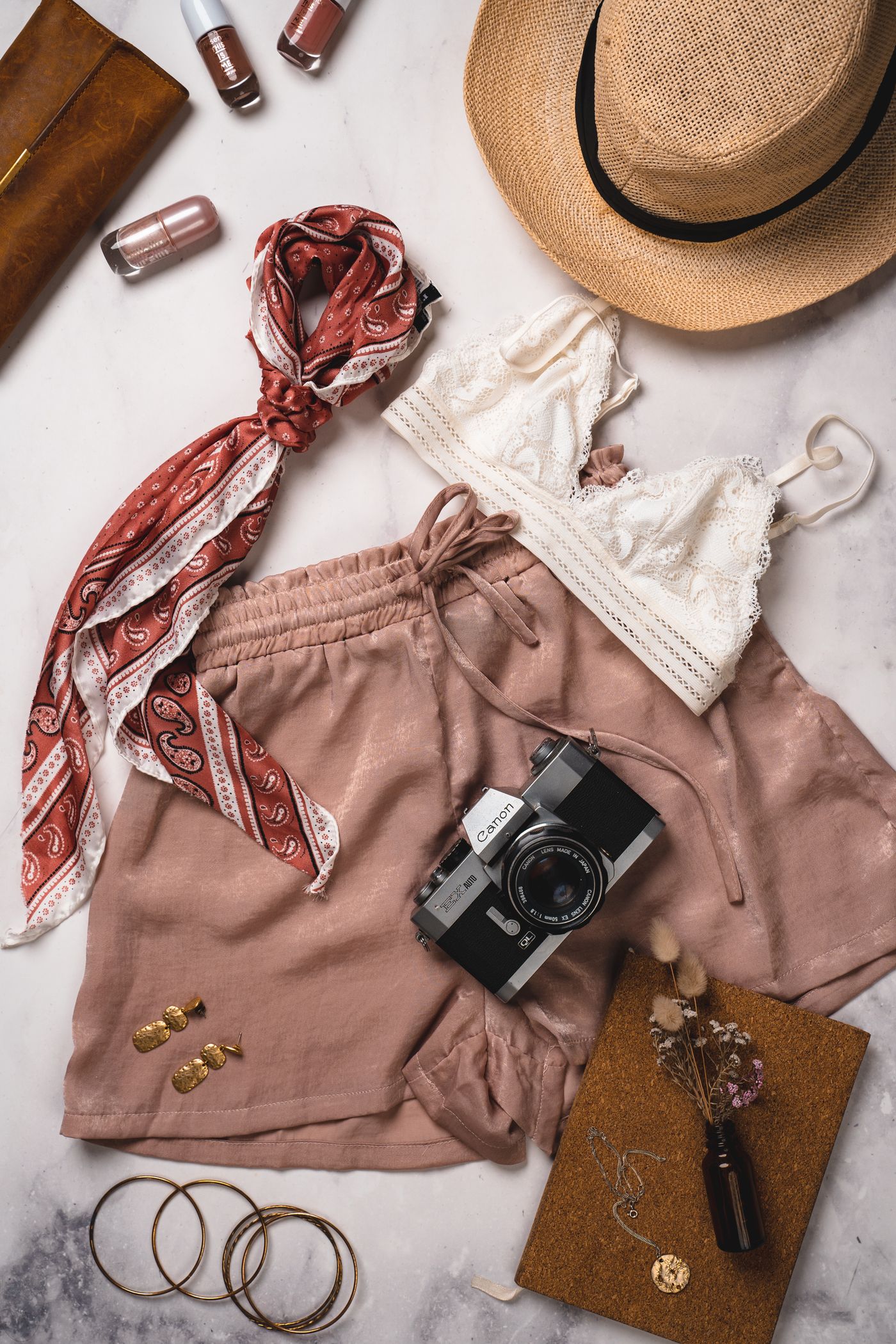
A versatile clothing arrangement demonstrates how coordinated pieces can support efficient wardrobe planning.
For a short trip, consider packing a small group of tops with deliberately different functions rather than many visually similar garments. One casual basic, one textured piece, one refined blouse and one layering-friendly long sleeve can cover a broad range of situations when paired with appropriate bottoms and outerwear.
Seasonal Layering Strategies
Layering increases the usable life of tops throughout the year. The same basic piece can become a summer staple, transitional layer or winter foundation depending on what is worn around it.
In spring, lightweight long-sleeve tops can work beneath jackets. In summer, cotton and breathable fabrics can become primary garments. Autumn creates opportunities for ribbed textures, long sleeves, overshirts and lightweight knitwear. Winter often relies on thin foundational tops beneath sweaters, coats and structured outer layers.
The Women’s Long Sleeve Basic Top is especially useful in this system because its role can change with the temperature rather than requiring a completely different wardrobe.
Layering Without Bulk
The key to successful layering is controlling thickness. A thin fitted base layer can sit beneath a heavier middle layer without creating excessive volume. If the base is already oversized, the outer layer needs additional room.
Another consideration is sleeve management. Long sleeves beneath a fitted jacket can bunch around the wrist or upper arm. Smooth fabrics and appropriately proportioned sleeves can reduce this problem.
Quality Indicators to Examine Before Purchase
Visual appearance is only one part of garment quality. Construction details often provide useful information about how a top may perform over time.
| Feature | What to Examine | Why It Matters | Best Use |
|---|---|---|---|
| Fabric | Weight, texture, softness and recovery | Influences comfort, drape and durability | Everyday and specialized dressing |
| Neckline | Shape, finishing and stability | Strongly affects the visual character of the top | Casual, professional and evening outfits |
| Seams | Consistency and reinforcement | Supports structural integrity | Frequent-use garments |
| Sleeves | Length, width and movement | Influences comfort and proportion | Layering and standalone wear |
| Hem | Finish and alignment | Helps maintain a polished appearance | All wardrobe categories |
| Buttons | Attachment and spacing | Important for repeated opening and closing | Blouses and button-up tops |
| Care Label | Washing and drying requirements | Determines maintenance effort | Long-term wardrobe planning |
How to Compare Different Top Categories
Comparing garments by category can simplify shopping decisions. Instead of asking whether a particular top looks attractive in isolation, ask what function it adds to the wardrobe.
A classic cotton top is primarily about frequency and versatility. An oversized top emphasizes relaxed proportion. A ribbed design adds texture. A long-sleeve basic provides layering utility. A V-neck blouse creates refinement, while satin introduces a more elevated surface.
The Women’s Oversized Crew Neck T-Shirt therefore serves a different wardrobe purpose from the Women’s Satin Button-Up Blouse. Neither category needs to replace the other because they address different styling requirements.
Minimalist Wardrobe Planning
Minimalism in clothing does not necessarily mean owning very few garments. It can mean reducing unnecessary duplication and increasing the usefulness of every piece.
If several tops perform exactly the same function, the next purchase may be more valuable when it introduces a different texture, neckline, silhouette or occasion. This approach creates a more varied wardrobe without dramatically increasing the number of garments.
For example, someone with several standard T-shirts may benefit more from a refined blouse than another nearly identical basic. Someone with many fitted tops may add useful contrast through an oversized silhouette.
Smart shopping rule: Before adding a new top, identify at least three existing bottoms and two outer layers that can work with it. This simple test encourages purchases that contribute to an interconnected wardrobe.
Elevating Basic Tops Through Accessories
Accessories can change the perceived character of a basic top dramatically. A simple cotton garment can appear relaxed with sneakers and a canvas bag, refined with tailored trousers and loafers, or more sophisticated with a blazer and jewelry.
Necklaces can interact with neckline shape. Belts can introduce structure when the top is partially tucked. Handbags can reinforce the level of formality, while footwear can shift an outfit from casual to polished.
This is why versatile tops are valuable. They do not dictate a single outfit. Instead, they provide a neutral foundation that allows accessories and other garments to determine the final aesthetic.
Mixing Textures for Sophisticated Outfits
Texture mixing is an effective way to create depth without relying on strong prints. A smooth satin blouse can contrast with denim. A ribbed top can work against tailored wool-like trousers. A cotton shirt can balance leather-look accessories or a structured jacket.
The principle is to create enough difference for the materials to remain visible without producing visual chaos. When several garments have distinct textures, keeping the color palette restrained can help maintain cohesion.

Layered textures and accessories can create depth while keeping the overall wardrobe visually coordinated.
Care Practices That Extend Garment Life
Good wardrobe planning continues after purchase. Proper care can help preserve fabric appearance, color and shape.
- Read the care label before washing a new garment.
- Use suitable water temperatures for the fabric.
- Avoid unnecessary high-heat drying when the garment does not require it.
- Store delicate blouses in a way that reduces unwanted creasing.
- Fold knitwear when hanging could stretch the shoulders.
- Use suitable hangers for structured garments.
- Address stains promptly according to the fabric's care requirements.
- Rotate frequently worn pieces when possible.
Special attention is useful for satin and delicate fabrics. Excessive heat, aggressive washing and rough handling can affect their surface. A more careful maintenance routine can help preserve the polished character that makes these garments valuable.
Styling the Classic Cotton T-Shirt Beyond Basics
The classic cotton T-shirt is often treated as a purely casual garment, but its simplicity makes it surprisingly flexible. Under a tailored blazer, it can create a contemporary alternative to a traditional blouse. With a midi skirt, it can create contrast between casual fabric and a more elegant silhouette.
French-tuck styling, layered necklaces, structured handbags and refined footwear can all change the impression of a basic tee. Color selection also matters. A crisp white version can create a cleaner aesthetic, while darker shades may produce a more urban appearance.
The Women’s Classic Cotton T-Shirt therefore deserves attention when planning the foundation of a wardrobe rather than being considered an afterthought.
Using Oversized Tops with Tailoring
One of the most contemporary ways to style relaxed tops is to place them next to structured pieces. Tailored trousers can provide definition beneath a relaxed top, while a blazer can create an architectural frame around a more generous silhouette.
The contrast between softness and structure can make an outfit feel intentional. Accessories should generally support the proportions rather than overwhelm them.
A Women’s Oversized Crew Neck T-Shirt can therefore become part of a sophisticated outfit when combined with carefully selected tailoring, rather than being restricted to casual occasions.
Ribbed Tops as Transitional Essentials
Ribbed tops are particularly useful when moving between seasons. Their texture can make a simple outfit feel richer, while their stretch can support comfortable layering.
Try pairing a neutral ribbed top with wide-leg trousers and a structured jacket. Another option is a ribbed top with denim and a lightweight cardigan. During warmer weather, it can be worn independently with skirts or shorts.
The Women’s Ribbed Short Sleeve Top can serve as a practical bridge between casual basics and more fashion-focused pieces.
Building a Refined Blouse Collection
A wardrobe does not need dozens of blouses. A carefully selected group with different roles can be more useful. Consider one understated blouse for professional settings, one V-neck option for versatile styling and one satin piece for occasions that benefit from a more luxurious visual finish.
The Women’s V-Neck Blouse can handle a wide range of styling scenarios because the neckline works naturally with jewelry and tailoring.
Meanwhile, a satin button-up can provide a more distinctive evening texture. The objective is not to own the maximum number of blouses but to create meaningful variety in the collection.
Shopping With a Long-Term Wardrobe Perspective
Fashion shopping becomes more efficient when each purchase is evaluated as part of a larger system. Consider frequency of use, compatibility, care requirements and versatility alongside appearance.
One useful method is the outfit-count test. Before buying a top, identify several complete outfits it could support. If the garment works with denim, tailored trousers, a skirt, a blazer and a cardigan, its potential is high. If it only works with one specific item, its role is narrower and should be considered accordingly.
The broader Women Clothing Brands category can be explored with the same mindset: evaluate not only individual products but also how different pieces contribute to a coherent wardrobe.
Essential Women's Tops: Functional Comparison
| Top Category | Primary Character | Best Styling Partners | Seasonal Flexibility | Wardrobe Role |
|---|---|---|---|---|
| Classic Cotton T-Shirt | Clean and versatile | Denim, trousers, skirts, blazers | Very high | Core everyday foundation |
| Oversized Crew Neck | Relaxed and contemporary | Straight denim, leggings, tailored trousers | High | Relaxed statement basic |
| Ribbed Short Sleeve | Textured and fitted | Jeans, skirts, trousers, cardigans | High | Texture-focused basic |
| Long Sleeve Basic | Layering-oriented | Blazers, coats, vests, denim | Very high | Transitional foundation |
| V-Neck Blouse | Refined and polished | Tailoring, skirts, smart denim | High | Professional and elevated dressing |
| Satin Button-Up | Lustrous and sophisticated | Tailored trousers, skirts, denim | High | Evening and elevated styling |
Practical Wardrobe Rotation
Wardrobe rotation helps prevent overuse of the same few garments while keeping dressing efficient. Place the most frequently worn tops in an accessible area and organize less frequently used pieces according to season or occasion.
Rotation can also reveal gaps. If a wardrobe repeatedly depends on the same white T-shirt, that may indicate a need for another neutral basic. If formal occasions consistently require last-minute shopping, a refined blouse may be missing.
The goal is not to force equal wear across every garment. Instead, rotation should provide visibility into what is genuinely useful and what remains untouched.
How to Create More Outfits With Fewer Tops
The number of outfits available from a wardrobe depends heavily on compatibility. A small group of versatile tops can produce many combinations when colors and silhouettes are intentionally selected.
For example, one neutral cotton top can work with jeans, black trousers, beige trousers, denim shorts and a midi skirt. Adding a blazer creates another variation. Changing footwear and accessories can further alter the visual direction.
A ribbed top can provide a second texture, while a blouse introduces a more polished option. An oversized piece adds proportion contrast. A satin blouse changes the level of formality.
This is the foundation of efficient wardrobe design: variety should come from meaningful differences, not unnecessary duplication.
Modern Fashion Without Excessive Trend Dependence
Trends can provide inspiration, but timeless wardrobe architecture often depends on silhouettes and materials that remain useful beyond a single season. A classic neckline, clean cotton fabric or well-executed blouse can remain relevant while styling details change around it.
Contemporary elements can still be introduced through proportions, colors, accessories and layering. An oversized silhouette may update an otherwise classic wardrobe. A current color can refresh familiar basics. A modern handbag or shoe can change the character of established clothing.
This approach allows the wardrobe to evolve without requiring constant replacement of functional garments.
Visual Merchandising and the Value of Presentation
Presentation influences how shoppers understand clothing. Clean photography, thoughtful composition, fabric visibility and consistent styling can communicate product characteristics before the garment is physically experienced.
Flat-lay photography is particularly useful for showing color relationships, accessories and overall styling concepts without distracting from the clothing itself. It can also demonstrate how several wardrobe pieces interact.
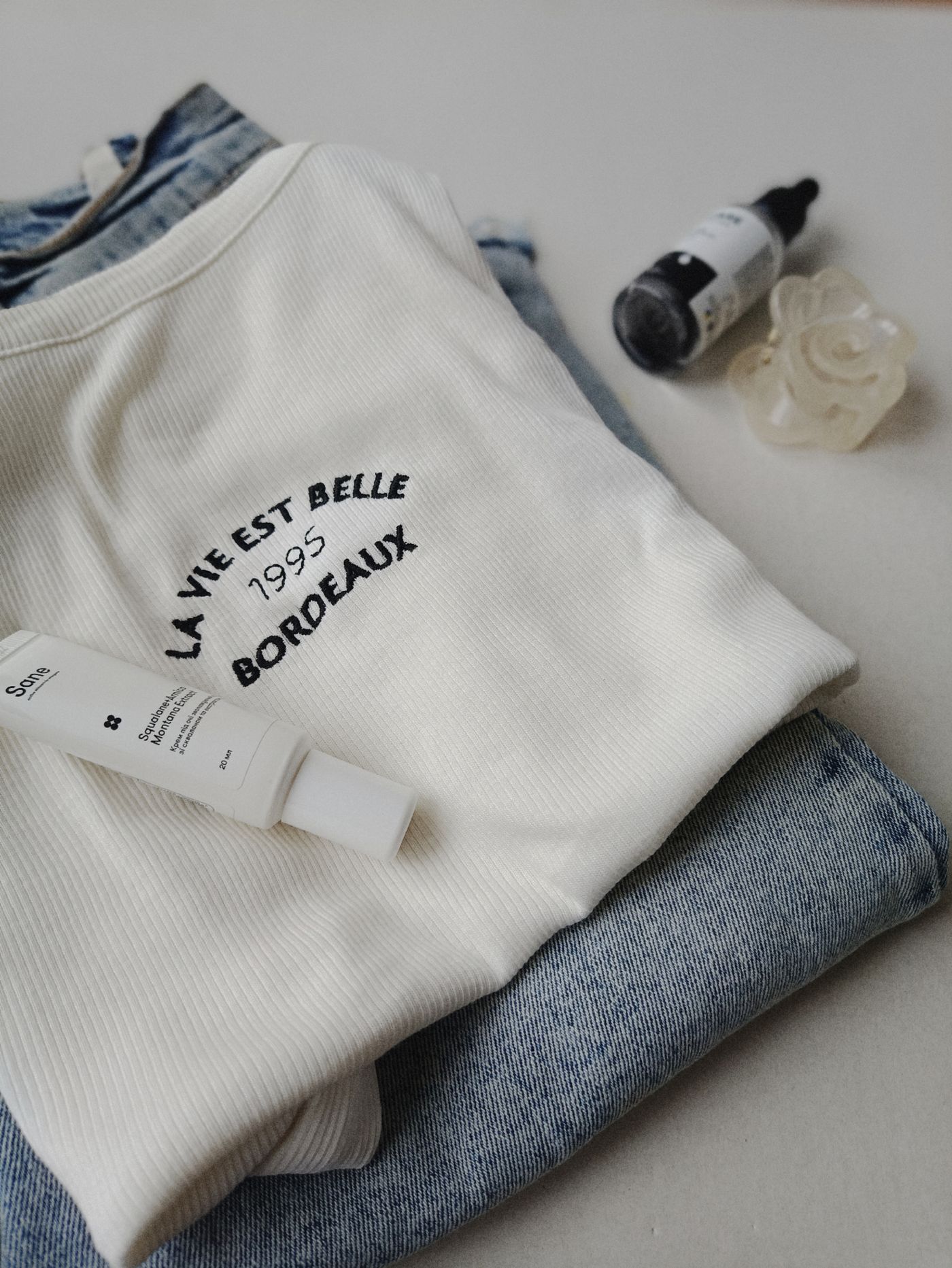
A minimal flat-lay composition demonstrates how clothing can be presented as part of a complete lifestyle aesthetic.
Choosing Tops for Different Personal Style Directions
A minimalist wardrobe may favor clean cotton tops, restrained colors and simple silhouettes. A romantic aesthetic may introduce soft blouses, delicate details and lighter colors. A contemporary wardrobe may emphasize oversized shapes, strong proportions and structured accessories.
A sophisticated wardrobe can incorporate elements from several directions. Personal style does not have to fit into one category. The important point is consistency in how garments are combined.
For example, a satin blouse can become minimalist when styled with black trousers and simple jewelry. An oversized top can become polished when combined with tailoring. A classic cotton shirt can become feminine when paired with a flowing skirt.
Five Principles for Better Top Selection
1. Start With Function
Know whether the garment is intended for daily wear, layering, professional dressing, travel, evenings or special occasions.
2. Examine Fabric
Consider comfort, weight, stretch, texture, drape and care requirements before focusing solely on appearance.
3. Check Compatibility
Identify several existing garments that can be combined with the new top before making a purchase.
4. Respect Proportion
Consider how the top's volume, length and sleeve shape interact with the lower half of the outfit.
5. Plan for Repetition
Choose pieces that remain attractive and useful when worn repeatedly in different combinations.
6. Consider Maintenance
A garment that requires more care should have enough wardrobe value to justify the additional maintenance.
Frequently Asked Questions About Women's Tops
What are the most versatile women's tops?
Classic cotton T-shirts, neutral ribbed tops, long-sleeve basics and simple blouses are generally versatile because they can work with multiple bottoms and layering pieces.
How many basic tops should a wardrobe have?
There is no universal number. The appropriate quantity depends on lifestyle, laundry frequency, climate and how often the person wears different categories of clothing.
Are oversized tops suitable for polished outfits?
Yes. Oversized tops can look polished when their proportions are intentional and they are balanced with tailored trousers, structured accessories or refined outerwear.
What makes a ribbed top useful?
Ribbed fabric introduces texture and often provides stretch, making the category useful for standalone outfits and layering.
When should a long-sleeve top be used?
Long-sleeve tops are especially useful during transitional seasons and as foundation layers beneath jackets, cardigans, coats and vests.
How can a V-neck blouse be styled?
A V-neck blouse can be combined with tailored trousers, skirts, smart denim, blazers and simple jewelry for professional or elevated everyday outfits.
Is satin suitable for daytime?
Yes. Satin can be styled during the day when paired with relaxed or understated pieces such as denim, simple footwear and minimal accessories.
How should delicate blouses be maintained?
Follow the garment's care label, avoid unnecessary heat and handle delicate fabrics carefully during washing, drying and storage.
What colors work best for wardrobe basics?
Neutral shades such as white, cream, black, grey, navy and beige are commonly useful foundations because they combine with many other colors.
How can a small wardrobe create many outfits?
Focus on compatibility. A smaller group of tops with different textures, silhouettes and levels of formality can create substantial variety when combined with multiple bottoms and layers.
Should every top be neutral?
No. Neutral pieces create a foundation, while carefully selected accent colors can add personality and seasonal interest.
What should be checked before buying a top?
Review fabric quality, fit, construction, care requirements, color compatibility, intended use and the number of outfits the garment can realistically support.
Final Wardrobe Planning Checklist
Before finalizing a women's tops collection, review the wardrobe as a complete system rather than a series of isolated purchases. The strongest collections normally include a mixture of reliable basics, contemporary proportions, texture, layering options and elevated pieces.
- Include dependable neutral basics for frequent wear.
- Add at least one silhouette with relaxed contemporary proportions.
- Use texture to prevent a wardrobe from appearing visually repetitive.
- Keep long-sleeve options available for layering and transitional weather.
- Include a refined blouse for professional or elevated occasions.
- Consider a satin option when a more polished evening texture is useful.
- Build colors around a coherent foundation rather than isolated purchases.
- Evaluate fit from the shoulders, body, sleeves and hem.
- Check fabric behavior and maintenance requirements.
- Think about how every new top interacts with existing clothing.
- Prioritize garments that can be styled in several distinct ways.
- Use accessories and outerwear to transform simple foundations.
A thoughtfully selected women's tops wardrobe becomes more than a collection of individual garments. It becomes a flexible styling system in which everyday basics support statement pieces, textured garments add dimension, long sleeves extend seasonal utility and refined blouses provide opportunities for elevated dressing.
The most effective wardrobe strategy is therefore built around balance: comfort with structure, simplicity with texture, neutral foundations with selective color, and everyday functionality with occasional sophistication. When those elements work together, even a relatively focused collection of tops can support a wide range of outfits and occasions while keeping dressing efficient, polished and adaptable.


No comments:
Post a Comment