The Modern Women’s Top Edit: A Professional Guide to Fit, Fabric, Styling, Quality and Wardrobe Versatility
Designing a Smarter Collection of Women's Tops
A modern women's wardrobe is rarely defined by a single spectacular garment. Its real strength comes from the relationship between everyday essentials, refined pieces, seasonal layers, flattering proportions and carefully selected textures. Tops occupy an especially important position within this system because they are worn close to the face, frequently repeated and often responsible for setting the overall tone of an outfit.
The difference between an ordinary selection of tops and a highly functional wardrobe is usually not the number of garments. It is the quality of the decisions behind them. A thoughtful collection combines dependable basics with silhouettes that introduce variety, fabrics that suit the climate and lifestyle, colors that coordinate naturally, and elevated pieces that can transform a simple outfit when the occasion requires something more polished.
For everyday dressing, the objective is flexibility. A top should ideally work with several bottoms and multiple layers rather than being dependent on one very specific combination. This approach makes shopping more intentional and makes the wardrobe easier to use every morning.
Professional wardrobe principle: Treat every top as part of a larger styling system. Evaluate its fit, fabric, color, care requirements and compatibility with existing garments before considering its appearance in isolation.
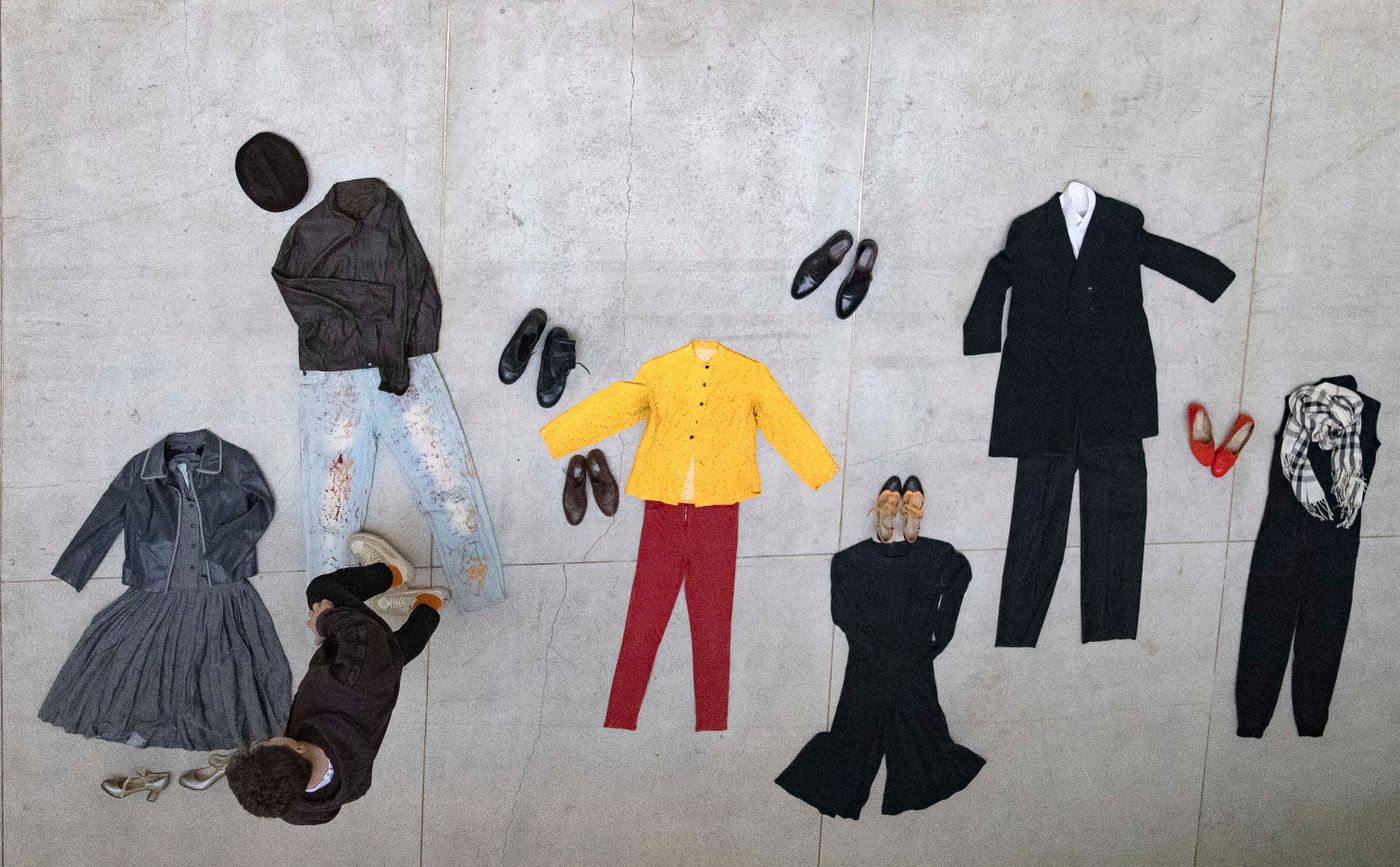
A coordinated flat-lay wardrobe illustrates how different garments can be organized around complementary colors and silhouettes.
The Strategic Importance of Everyday Tops
Everyday tops are the foundation of frequent dressing. Unlike special-occasion garments, they may be worn several times during a typical week, which makes their comfort, construction and versatility especially important.
A classic cotton shirt can support denim, tailored trousers, skirts, shorts and layered outfits. A more fitted ribbed style can create a defined silhouette, while an oversized design introduces a relaxed proportion. A long-sleeve basic can provide an adaptable layer during changing temperatures.
The Women’s Classic Cotton T-Shirt is an excellent example of a garment whose value comes from repetition. Its simplicity allows accessories, tailoring, footwear and outerwear to determine the final personality of the outfit.
When selecting everyday tops, examine the neckline, fabric density, shoulder position, sleeve length and hem. These details influence whether a garment looks polished after repeated wear or gradually loses its original appearance.
What Makes a Basic Top Valuable?
A useful basic top should solve more than one wardrobe problem. It should be comfortable enough for extended wear, neutral enough to combine with different colors, simple enough to layer and distinctive enough in its fit or construction to avoid looking disposable.
Quality basics can also reduce decision fatigue. When several dependable pieces are available, the wardrobe becomes easier to operate because the wearer does not need to create a completely new outfit every morning.
This is particularly important for professionals, travelers and anyone who values a streamlined dressing routine. A reliable foundation allows more attention to be placed on accessories, outerwear and occasion-specific pieces.
Contemporary Oversized Tops and Proportion
Oversized tops have become a defining element of contemporary casual fashion because they provide an alternative to traditional close-fitting silhouettes. Their appeal is rooted in controlled volume rather than simply wearing a garment several sizes too large.
The Women’s Oversized Crew Neck T-Shirt can create a relaxed foundation for straight-leg denim, fitted trousers, leggings, structured skirts and other clean silhouettes.
The most successful oversized outfits usually have a clear relationship between volume and structure. A generously cut top can be balanced by a streamlined lower half, or the relaxed volume can be intentionally repeated through wide-leg trousers for a more fashion-forward effect.
Accessories can help control the visual impression. A structured handbag, clean footwear or a defined belt can introduce a sense of organization without eliminating the relaxed character of the garment.
Making Oversized Shapes Look Intentional
One of the most effective styling techniques is the partial tuck. Instead of completely tucking the garment, a small section can be placed into the waistband to establish a waistline while retaining volume around the rest of the body.
Another strategy is layering. An oversized top can sit beneath a roomy blazer, cardigan or jacket if the outer layer has enough space. Forcing a large top under a narrow jacket can create unwanted bunching and reduce comfort.
Color can also make a significant difference. A monochromatic combination can make generous proportions feel sophisticated, while high contrast can emphasize the relaxed, youthful character of the outfit.
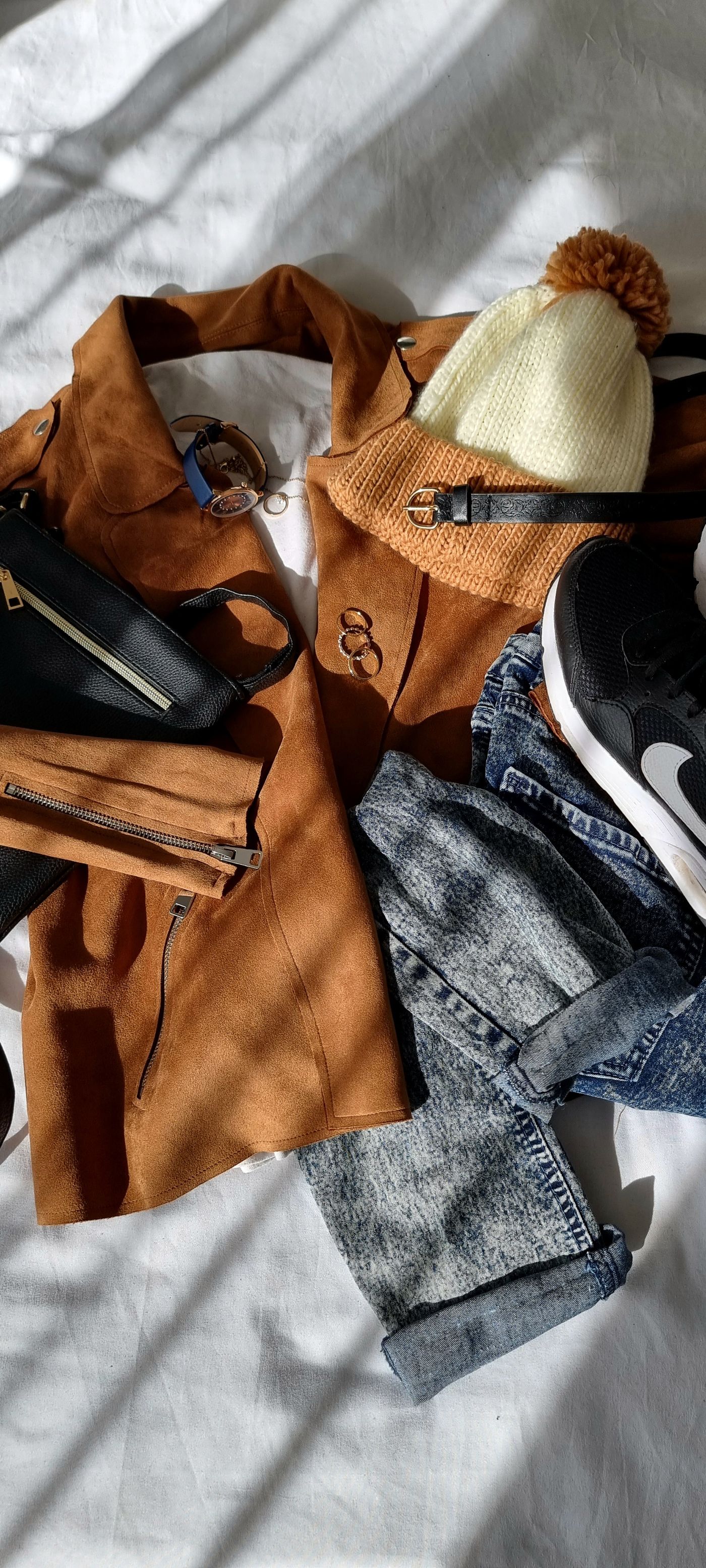
Clean flat-lay styling demonstrates how neutral clothing can create a versatile modern wardrobe direction.
Ribbed Tops: Texture With Everyday Function
Texture is one of the easiest ways to add visual depth to a wardrobe without relying on complicated prints. Ribbed fabrics are especially useful because the surface structure creates interest while the silhouette can remain simple.
The Women’s Ribbed Short Sleeve Top can occupy an important middle position between a traditional T-shirt and a more fashion-focused top.
Ribbed designs often work particularly well with denim, tailored trousers, skirts and lightweight jackets. The texture can also create a subtle contrast when combined with smooth materials such as polished leather-look accessories, satin or crisp woven fabrics.
Evaluating Ribbed Fabric
When choosing a ribbed garment, pay attention to stretch and recovery. The material should accommodate movement without permanently losing its shape. The rib pattern should remain reasonably consistent rather than appearing distorted after ordinary wear.
Another consideration is thickness. Lightweight ribbed fabrics may work well in warm climates and beneath jackets, while heavier ribbed constructions can function as standalone pieces during cooler conditions.
Texture strategy: If a wardrobe contains many plain fabrics, adding one or two textured tops can create variety without requiring dramatic changes in color or silhouette.
Long-Sleeve Tops as Four-Season Foundations
Long-sleeve tops are among the most practical pieces in a flexible wardrobe. Their value extends beyond cold weather because they can function as lightweight standalone garments, transitional layers and foundations beneath heavier clothing.
The Women’s Long Sleeve Basic Top can be worn with denim for a casual look, beneath a blazer for a refined outfit or under a vest and coat when temperatures fall.
For layering, a relatively smooth fabric is often useful because it can move easily beneath outer garments. For standalone wear, slightly more substantial fabrics may provide better structure.
Long-Sleeve Fit Considerations
The sleeve should provide freedom of movement without excessive fabric around the wrist or forearm. If the garment is intended as a base layer, a closer fit can help reduce bulk beneath jackets.
Length is also important. A longer hem may work well with leggings or slim trousers, while a shorter hem can coordinate naturally with high-waisted denim and skirts.
Neckline choice changes the styling potential. Crew necks are exceptionally versatile, mock necks create a more structured appearance, and open necklines can make layering with necklaces or blazers easier.
V-Neck Blouses for Polished Styling
Blouses introduce a more refined category into a wardrobe. Their value is not limited to formal occasions; modern blouses can be styled with denim, casual trousers and simple footwear to create elevated everyday outfits.
The Women’s V-Neck Blouse is especially versatile because the neckline creates an open visual area that works naturally with jewelry, scarves and tailored jackets.
A soft V-neck can create a fluid appearance, while a more structured blouse can provide a crisp professional impression. Fabric plays an important role in determining which direction the garment takes.
Building Outfits Around a V-Neck
For professional dressing, combine a neutral V-neck blouse with tailored trousers and a structured blazer. For smart casual styling, replace the tailored trousers with straight-leg denim and use understated footwear.
For evening occasions, a blouse in a richer color can be paired with sleek trousers, a skirt or sophisticated accessories. The neckline itself does not determine formality; the surrounding styling does.
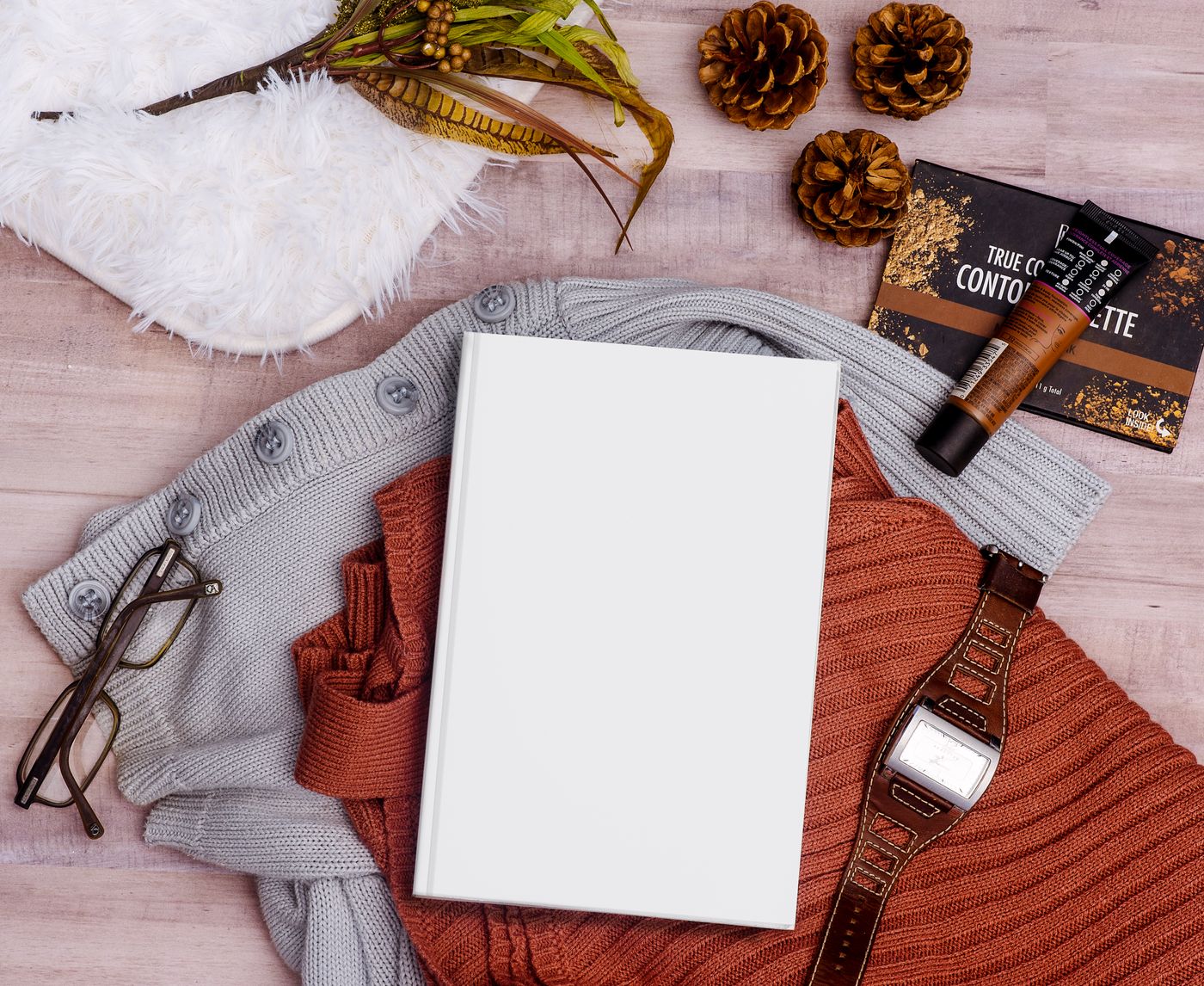
Layered clothing and accessories can create a sophisticated wardrobe story through texture, color and seasonal details.
Satin Button-Up Blouses and Elevated Texture
Satin introduces luminosity and movement. Its reflective surface can make even a relatively simple garment appear more distinctive, making satin useful when the wardrobe requires an elevated option.
The Women’s Satin Button-Up Blouse can transition between evening outfits and polished daytime combinations.
During the day, satin can be balanced with denim, simple trousers and understated accessories. For evening dressing, the same blouse can be paired with tailored trousers, a sleek skirt and more refined footwear.
Keeping Satin Sophisticated
Because satin already has visual shine, excessive embellishment is rarely necessary. Simple jewelry, clean lines and a controlled color palette often allow the fabric to create enough visual interest on its own.
Layering satin beneath a structured blazer can produce a sophisticated contrast between fluid and architectural textures. Wearing it open over a fitted basic can create a more relaxed interpretation.
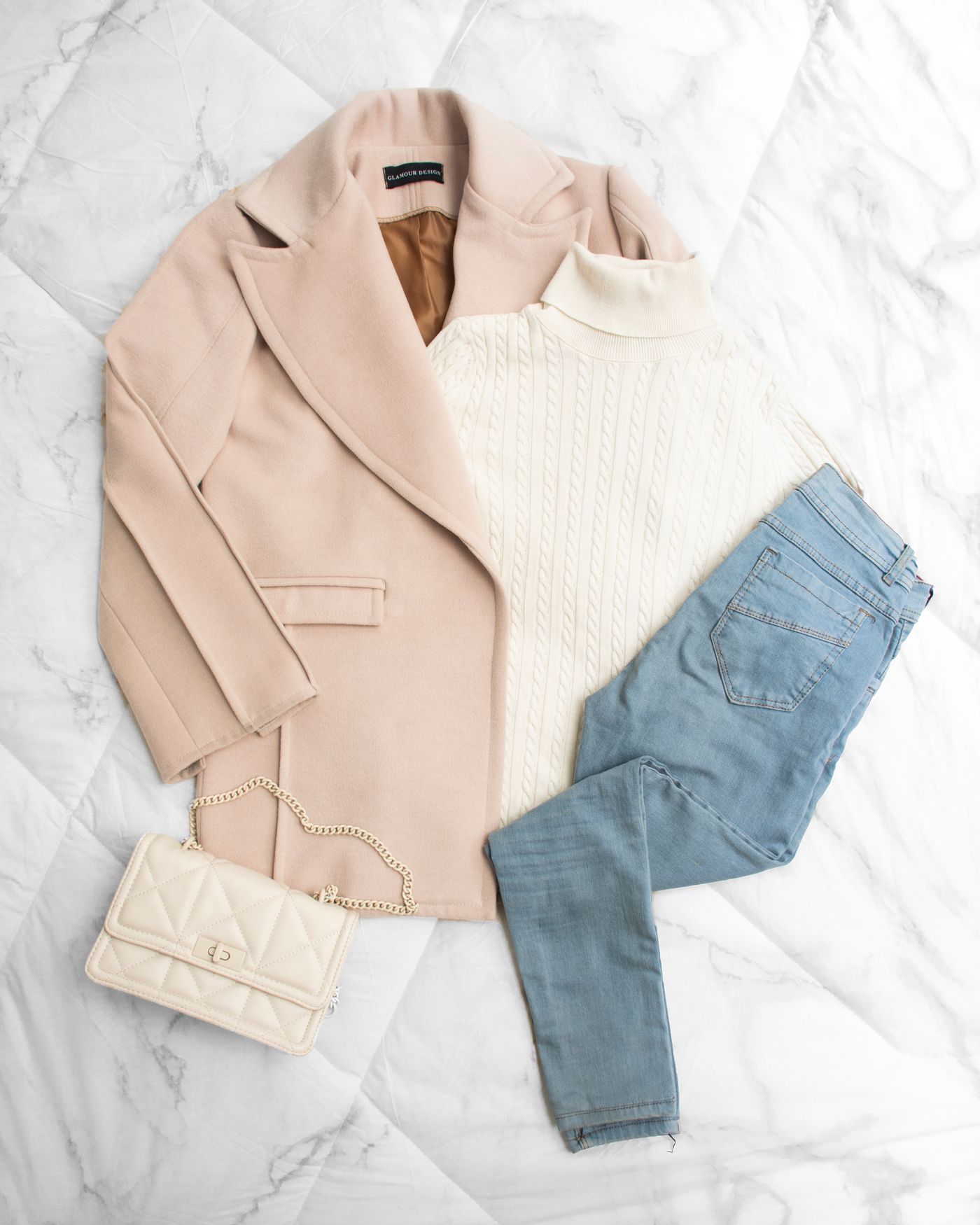
Neutral layered clothing demonstrates how fabric, proportion and accessories can work together to create an elevated aesthetic.
Fabric Selection as a Wardrobe Investment
Fabric determines much of a garment's practical behavior. It affects softness, breathability, drape, durability, stretch, wrinkle resistance and maintenance requirements.
Cotton remains a popular choice for everyday tops because it can be comfortable and adaptable across many silhouettes. Different cotton constructions can produce dramatically different results, from lightweight and relaxed to substantial and structured.
Knitted fabrics may offer stretch and comfort. Ribbed constructions add texture. Satin creates shine and fluidity. Linen and linen blends can create a relaxed warm-weather aesthetic. Synthetic blends may be selected for durability, easy maintenance or specific performance characteristics.
Questions for Fabric Evaluation
- Does the fabric feel comfortable against the skin?
- Does it maintain its shape during movement?
- Is the weight appropriate for the climate?
- Does it wrinkle easily?
- Can it be maintained conveniently?
- Does it become transparent under certain lighting?
- Does the texture complement the intended outfit?
- Will the fabric remain attractive after repeated washing?
Fabric should always be considered together with the garment's purpose. A delicate material may be appropriate for an occasional blouse but less convenient for a frequently worn everyday top.
Fit Architecture: Understanding the Shape of a Top
Fit is not simply a question of whether a garment feels tight or loose. Professional wardrobe planning considers how different sections of the garment interact with the body's natural movement and with other clothing.
The shoulder seam affects the visual structure of the upper body. The armhole influences movement. Sleeve width affects layering. The torso length changes the relationship between the top and the waistband. The hem determines whether the garment works best tucked, untucked or partially tucked.
Shoulder Position
A deliberate shoulder position can make even a simple top look structured and intentional.
Body Ease
Enough room supports comfort while excessive fabric can alter the intended silhouette.
Sleeve Proportion
Sleeve length and width should support the overall proportion and intended layering system.
Hem Length
Different lengths work with different rises, skirts, trousers and styling techniques.
Neckline
The neckline influences visual balance and determines how jewelry and outerwear interact with the top.
Fabric Recovery
Good recovery helps the garment retain its intended shape after movement and regular wear.
Color Planning for a Connected Wardrobe
Color coordination can dramatically increase the number of outfits available from a relatively focused wardrobe. The goal is not to make every garment neutral but to create a clear visual relationship between the pieces.
White, cream, black, grey, navy and beige can provide a reliable foundation. From there, accent colors can be introduced according to season, personal style and existing accessories.
For example, burgundy can work with cream, denim and black. Deep green can coordinate with beige, white and brown. Dusty blue can complement grey, white and soft neutrals.
The Women Clothing Brands category can be approached through this same philosophy. Instead of shopping for isolated pieces, consider how new colors will interact with the existing wardrobe.
The Value of Neutral Foundations
Neutral tops reduce the number of decisions required when creating outfits. A white or cream top can work with numerous colors, while black can create contrast and navy can offer a softer alternative to black.
Neutral does not mean visually uninteresting. Fabric texture, silhouette, stitching, neckline and accessories can create distinction without requiring a strong color.
Creating a Capsule Collection of Women's Tops
A capsule collection works when its pieces perform different but complementary functions. The goal is not simply to reduce quantity. It is to improve the ratio between garments owned and outfits available.
A versatile collection might include several everyday basics, one relaxed oversized option, one textured ribbed piece, a long-sleeve layer, a refined blouse and an elevated satin garment.
The Women’s Ribbed Short Sleeve Top can introduce texture, while the Women’s Long Sleeve Basic Top can provide layering flexibility.
For frequent casual use, the Women’s Classic Cotton T-Shirt can serve as a dependable foundation, while a blouse can address occasions that require a more polished appearance.
Professional Dressing With Modern Tops
Professional fashion has become more flexible in many environments. A polished wardrobe does not always require traditional button-down shirts or highly formal suits. A well-fitted top combined with structured pieces can create a sophisticated professional appearance.
Neutral colors are useful when the environment calls for restraint. In more creative workplaces, color and texture can be used more freely.
A V-neck blouse can sit comfortably beneath a blazer, while a refined cotton top can create a modern alternative to a traditional shirt. Satin may be appropriate for professional dinners or occasions where a slightly more elevated appearance is suitable.
The Women’s V-Neck Blouse can be particularly effective when paired with tailored trousers and structured outerwear.
A Reliable Professional Formula
A useful formula consists of a refined top, tailored bottom, structured layer and controlled accessories. Each element contributes a specific function without competing for attention.
This formula also allows wardrobe repetition. The same trousers can be worn with several tops, and the same blouse can be styled with different jackets and accessories.
Smart Casual Dressing
Smart casual outfits benefit from combining relaxed and refined elements. Denim can be elevated with a sophisticated blouse. A simple cotton top can become polished under a blazer. A ribbed garment can be balanced with tailored trousers.
The Women’s Oversized Crew Neck T-Shirt can work in this environment when paired with structured accessories and clean footwear.
The goal is controlled contrast. A completely relaxed outfit may feel too informal for some situations, while a fully formal outfit may feel unnecessary. Combining different levels of structure creates flexibility.
Travel Wardrobes Built Around Versatile Tops
Travel creates a strong test of wardrobe efficiency because luggage space is limited and garments often need to perform multiple roles.
Neutral tops are particularly useful because they can work with several bottoms. A long-sleeve basic can function during cooler mornings, while a short-sleeve cotton top can handle warmer daytime conditions.
A blouse can provide an option for dinner, business meetings or more polished sightseeing. A textured top can introduce visual variety without taking up much additional space.
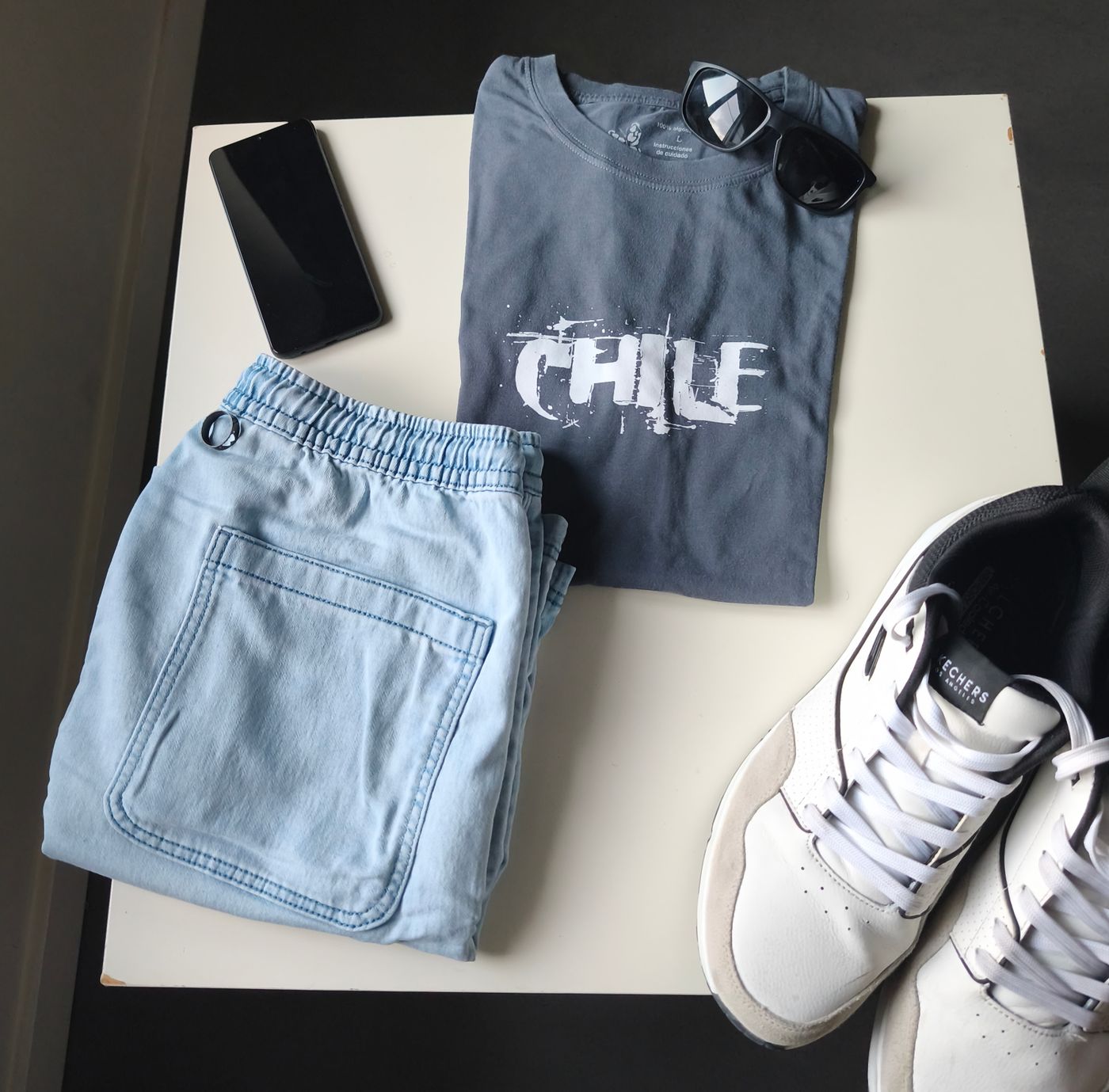
A compact flat-lay arrangement shows how clothing and accessories can be planned as coordinated travel essentials.
Efficient Packing Strategy
Instead of packing several garments with identical functions, choose tops that create distinct outfit possibilities. One neutral basic, one textured top, one long sleeve, one polished blouse and one elevated option can provide substantial variety when combined with different bottoms and outer layers.
Consider also how easily the fabric travels. Garments that require extensive pressing may be less convenient than pieces that tolerate normal packing and light steaming.
Seasonal Layering With Tops
Layering increases the functional range of clothing. The same top can become a summer standalone garment, an autumn foundation or a winter base layer depending on the surrounding pieces.
Spring often benefits from lightweight long sleeves beneath jackets. Summer favors breathable short sleeves and lighter fabrics. Autumn introduces opportunities for ribbed textures, long sleeves, overshirts and lightweight knitwear. Winter can rely on thin base layers beneath sweaters, coats and structured outerwear.
The Women’s Long Sleeve Basic Top is particularly adaptable because its role can change with the season.
Controlling Layering Bulk
The most successful layered outfits usually consider fabric thickness in advance. A smooth, relatively thin base can fit comfortably beneath a heavier middle layer. A thick oversized top may require a coat or jacket with additional room.
Sleeves deserve special attention. Excess fabric around the upper arm can bunch beneath structured jackets, reducing both comfort and visual clarity.
Quality Indicators in Women's Tops
Quality is not always obvious from photographs. Construction details can provide valuable clues about how a garment may perform after repeated use.
| Element | What to Check | Why It Matters | Practical Benefit |
|---|---|---|---|
| Fabric | Weight, texture, softness and recovery | Determines comfort and visual behavior | Better everyday usability |
| Shoulders | Seam placement and symmetry | Influences overall structure | More polished appearance |
| Neckline | Shape and finishing | Frequently visible and important to styling | Improved versatility |
| Seams | Consistency and reinforcement | Supports durability | Better long-term wear |
| Hem | Alignment and finishing | Influences how the garment hangs | Cleaner silhouette |
| Buttons | Attachment and spacing | Important for repeated use | Reliable functionality |
| Care Label | Washing and drying instructions | Indicates maintenance demands | Better wardrobe planning |
Comparing Top Categories by Wardrobe Function
Different top categories should not necessarily compete with each other. They often solve different wardrobe problems.
A classic cotton top emphasizes frequency and versatility. An oversized top provides relaxed proportion. A ribbed top contributes texture. A long-sleeve basic provides seasonal and layering utility. A V-neck blouse introduces refinement. Satin adds visual richness.
The Women’s Oversized Crew Neck T-Shirt therefore has a different purpose from the Women’s Satin Button-Up Blouse.
A well-designed wardrobe benefits from this distinction because every category can contribute something unique instead of duplicating an existing function.
Minimalist Shopping and Wardrobe Efficiency
Minimalist wardrobe planning does not require eliminating personality or fashion interest. Instead, it emphasizes meaningful purchases.
If a wardrobe already contains several nearly identical cotton T-shirts, the next useful addition might be a blouse, ribbed piece or oversized silhouette. This creates functional variety rather than simply increasing quantity.
The same principle applies to color. If the wardrobe already has several neutral tops, a carefully selected accent color can add seasonal interest without creating excessive complexity.
Three-outfit test: Before purchasing a new top, identify at least three complete outfits using clothing already owned. If the garment can support several distinct combinations, it is more likely to become an active part of the wardrobe.
Accessories as a Styling Multiplier
Accessories can significantly change the perceived role of a basic top. A cotton T-shirt with sneakers and a casual bag creates one direction, while the same garment with tailored trousers, a blazer, loafers and refined jewelry creates another.
Necklaces can reinforce a neckline. Belts can establish structure. Handbags can raise the formality level. Shoes can change an outfit from relaxed to polished.
This is why versatile tops are so valuable. They provide a neutral canvas that allows accessories to control the final character.
Mixing Fabrics and Textures
Texture is particularly important in neutral wardrobes. When an outfit contains several similar smooth fabrics, it can appear visually flat even when the colors are attractive.
Combining ribbed cotton with denim introduces a subtle contrast. Satin with tailoring creates a polished combination. Cotton with textured outerwear produces a more relaxed appearance.
The key is balance. If several elements have strong textures, the color palette can remain restrained. If the colors are bold, simpler textures can prevent the outfit from becoming visually overloaded.
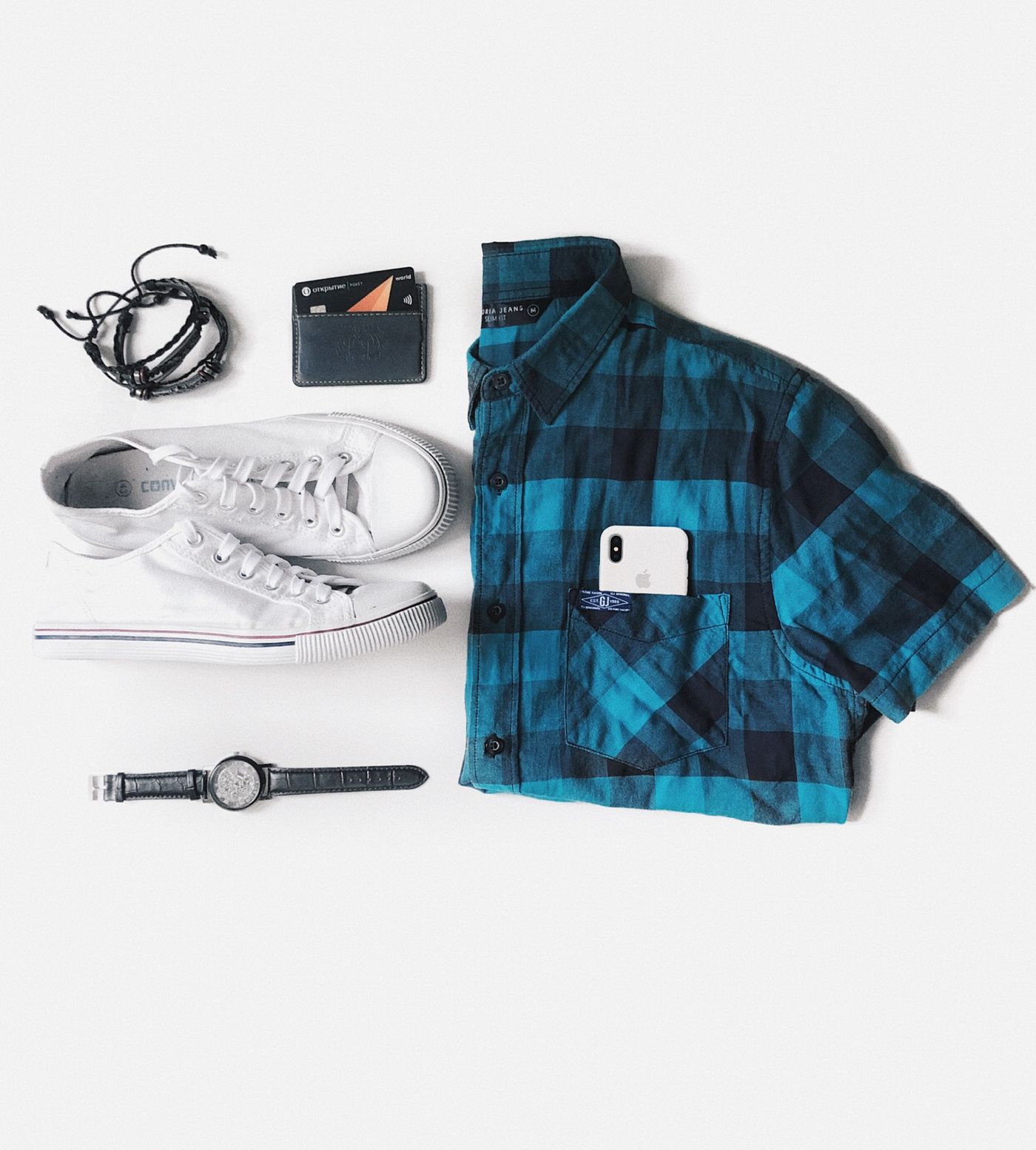
A clean clothing arrangement shows how fabric, accessories and footwear can create a complete styling concept.
Care Strategies for Frequently Worn Tops
Garment care is a major part of long-term wardrobe value. Frequently worn tops are exposed to repeated washing, friction and drying, making maintenance especially important.
- Read the care label before washing.
- Use the recommended water temperature.
- Avoid excessive heat when the fabric does not require it.
- Turn suitable garments inside out before washing.
- Use appropriate hangers for structured tops.
- Fold knitwear when hanging could stretch the shoulders.
- Allow delicate fabrics to receive appropriate handling.
- Store garments in a clean, dry environment.
- Rotate frequently worn tops whenever practical.
Special fabrics such as satin may require more careful handling. Heat and aggressive washing can affect the surface and drape. Following the garment-specific instructions is more useful than applying one universal care routine to every material.
Styling a Classic Cotton T-Shirt Creatively
The simplicity of a classic cotton T-shirt creates significant styling freedom. It can be tucked into tailored trousers, paired with denim, layered beneath a blazer or combined with a flowing skirt.
A white or cream top can create a clean base for colorful accessories. A dark top can provide contrast beneath a lighter jacket. A neutral T-shirt can also become part of a monochromatic outfit where texture and proportion provide the visual interest.
The Women’s Classic Cotton T-Shirt therefore deserves a strategic place in a wardrobe rather than being treated as an unimportant basic.
Relaxed Proportion With Tailored Pieces
Combining oversized tops with tailoring is one of the easiest ways to make casual clothing feel more deliberate. Tailored trousers introduce structure beneath a relaxed top, while a structured jacket can frame generous proportions.
The result works because the outfit contains controlled contrast. The clothing does not need to be equally fitted or equally relaxed throughout.
A Women’s Oversized Crew Neck T-Shirt can therefore participate in elevated styling when paired with thoughtful proportions and polished accessories.
Using Ribbed Tops to Add Dimension
A ribbed top is particularly effective when an outfit feels too simple. Its texture can create visual movement without introducing a print.
Pair a neutral ribbed top with wide-leg trousers and a structured jacket for a contemporary combination. For a casual alternative, combine it with denim and clean sneakers. During cooler weather, add a cardigan or lightweight coat.
The Women’s Ribbed Short Sleeve Top can therefore function as a bridge between minimalist basics and more distinctive fashion pieces.
Building a Small but Sophisticated Blouse Collection
A practical blouse collection can remain relatively focused while covering several levels of formality. One understated blouse can address professional settings, a V-neck design can provide flexible styling and a satin button-up can provide an elevated evening option.
The Women’s V-Neck Blouse can be especially versatile because it can be styled with tailoring, denim and skirts.
A satin blouse introduces a different surface and level of shine. This makes it useful when the wardrobe needs something more visually distinctive without requiring a complicated design.
Shopping With a Long-Term Perspective
Fashion purchases become more efficient when they are evaluated according to long-term wardrobe performance. Instead of asking only whether a garment looks attractive, consider how often it can realistically be worn and how many combinations it can support.
A practical evaluation can include four questions: Does it fit comfortably? Does it coordinate with existing clothing? Does its care routine suit the lifestyle? Does it provide something that the current wardrobe does not already have?
The wider Women Clothing Brands selection can be viewed through this same strategic approach.
Wardrobe Function Comparison
| Category | Main Strength | Best Styling Partners | Typical Wardrobe Role |
|---|---|---|---|
| Classic Cotton T-Shirt | Versatility | Jeans, trousers, skirts, blazers | Everyday foundation |
| Oversized Crew Neck | Relaxed proportion | Straight denim, leggings, tailoring | Contemporary casual |
| Ribbed Short Sleeve | Texture and stretch | Denim, skirts, trousers, cardigans | Textured essential |
| Long Sleeve Basic | Layering flexibility | Coats, jackets, vests, denim | Seasonal foundation |
| V-Neck Blouse | Polished neckline | Tailored trousers, skirts, blazers | Professional and elevated |
| Satin Button-Up | Lustrous texture | Tailoring, skirts, denim | Evening and refined styling |
Outfit Multiplication Through Repetition
A wardrobe becomes powerful when garments can be repeated without producing identical outfits. This requires variety in supporting pieces rather than an endless supply of tops.
One neutral top can work with jeans, black trousers, beige trousers and a skirt. Add a blazer and the outfit changes again. Replace sneakers with loafers or heels and the formality changes further.
A second top with a different texture creates additional combinations. A blouse introduces a polished option. An oversized silhouette changes the proportion. A satin garment changes the surface and visual character.
This approach makes it possible to create substantial outfit variety from a relatively controlled collection.
Modern Style Without Excessive Dependence on Trends
Fashion trends can be useful sources of inspiration, but a wardrobe becomes more durable when its foundation consists of pieces that can adapt to changing styling preferences.
Classic cotton tops, well-proportioned long sleeves and refined blouses can remain useful while accessories, footwear and outerwear evolve. Contemporary oversized silhouettes can also be integrated without requiring the entire wardrobe to change.
One practical strategy is to update the wardrobe through smaller visual elements. A new accent color, current accessory shape or updated shoe can refresh existing basics without making functional clothing obsolete.
Flat-Lay Presentation and Fashion Storytelling
Clothing photography can communicate the relationship between garments, accessories, textures and colors without requiring a model. Flat-lay photography is especially effective for showing how individual wardrobe components can become part of a complete styling concept.
A carefully arranged image can demonstrate proportion, color relationships and accessory coordination. This makes it useful not only for product presentation but also for fashion editorial content and wardrobe planning.
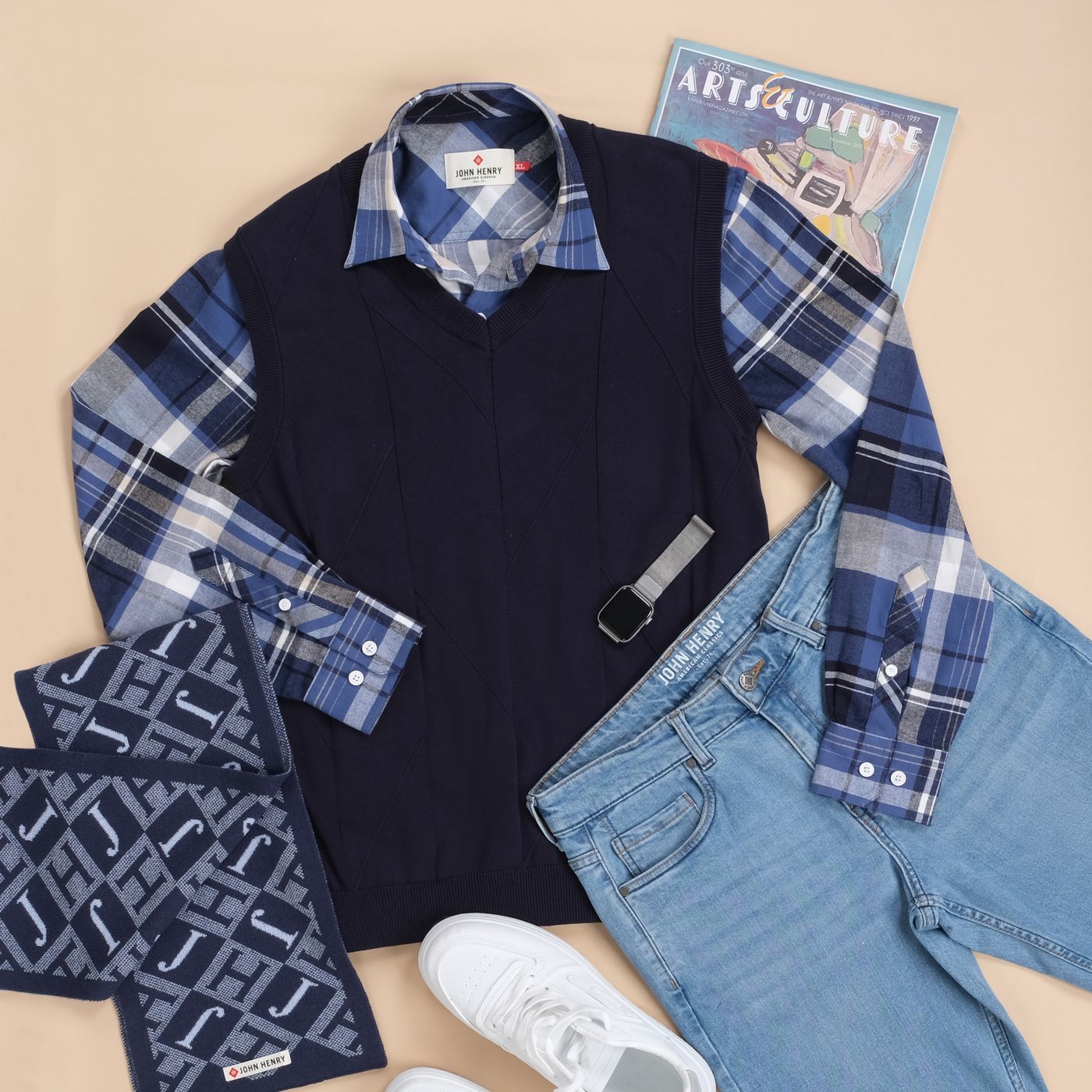
A casual flat lay demonstrates how coordinated garments and accessories can communicate a complete wardrobe direction.
Matching Tops to Different Style Personalities
A minimalist wardrobe may prioritize clean lines, neutral colors and simple fabrics. A romantic wardrobe can introduce softer silhouettes, elegant blouses and delicate details. A contemporary wardrobe may emphasize oversized shapes, stronger proportions and modern accessories.
These directions can also be combined. A satin blouse can become minimalist when paired with black trousers and simple jewelry. An oversized T-shirt can become polished when styled with tailoring. A classic cotton top can become feminine when paired with a flowing skirt and delicate accessories.
Personal style therefore does not have to be defined by a single clothing category. It can emerge from the way different pieces are combined.
Six Principles for Selecting Better Tops
Function First
Identify whether the garment is designed for everyday wear, layering, work, travel, evening dressing or special occasions.
Fabric Matters
Consider comfort, thickness, stretch, drape, texture and maintenance requirements.
Check Compatibility
Think about the trousers, skirts, jackets and accessories already available before buying another piece.
Respect Proportion
Consider how volume, length and sleeve shape interact with the rest of the outfit.
Plan for Repetition
Choose pieces that remain useful when styled in several different ways.
Consider Maintenance
Evaluate whether the garment's care requirements are realistic for the intended frequency of use.
Building a Professional Everyday Uniform
Many women benefit from developing a personal outfit formula that reduces the time required to get dressed. A simple uniform might consist of a dependable top, tailored trousers, a structured jacket and minimal accessories.
The advantage of a uniform is not repetition without creativity. It is the creation of a dependable framework. Different tops, colors and accessories can be exchanged while the basic architecture remains consistent.
For example, a classic cotton top can create a relaxed version, a V-neck blouse can create a more formal version and a satin blouse can create an elevated version. The trousers and blazer can remain consistent.
This approach also helps identify which tops genuinely contribute value. If one garment works across several versions of the personal uniform, it becomes an especially useful wardrobe asset.
Creating Contrast Without Visual Clutter
Successful styling often depends on contrast, but contrast does not have to mean bright colors. It can come from texture, proportion, fabric finish or structure.
An oversized top against tailored trousers creates proportional contrast. A ribbed top against smooth trousers creates textural contrast. Satin against matte fabrics creates surface contrast.
When several types of contrast appear in the same outfit, color can be simplified to maintain balance. This is one reason neutral wardrobes can appear sophisticated: the interest comes from construction and texture rather than excessive decoration.
Seasonal Wardrobe Rotation
Rotating tops according to season helps maintain garment visibility and can reduce unnecessary purchases. Lightweight pieces can be placed at the front of the wardrobe during warmer months, while long sleeves and layering pieces become more accessible during cooler periods.
Some garments can remain available throughout the year. A classic cotton T-shirt may be useful in summer and beneath jackets in winter. A long-sleeve basic can transition through multiple seasons.
The key is to recognize which garments are genuinely four-season pieces and which are specialized for particular weather conditions.
How to Recognize a Wardrobe Gap
Wardrobe gaps are often revealed through repeated outfit problems. If an outfit frequently needs an additional layer, a lightweight long-sleeve top may be missing. If casual outfits feel repetitive, a textured or oversized top may introduce useful variety.
If professional outfits feel too formal or too casual, a refined blouse may provide the missing middle ground. If evening outfits depend on last-minute purchases, an elevated satin option can fill that role.
This problem-solving approach is more efficient than shopping based solely on new trends or isolated visual appeal.
Carefully Building a Color Story
A cohesive color story can make a wardrobe feel significantly larger than it actually is. When tops, bottoms and accessories share compatible undertones, garments can move between outfits more easily.
Warm neutral wardrobes can use cream, camel, chocolate and muted earthy colors. Cooler palettes may emphasize grey, navy, crisp white and blue. A mixed palette can still work when a few bridging neutrals connect the different groups.
Accent colors should be chosen according to existing clothing. A beautiful color becomes much more valuable when it can interact with multiple pieces already owned.
Professional Wardrobe Checklist
- Keep dependable neutral basics available for frequent wear.
- Include at least one relaxed contemporary silhouette.
- Add texture through ribbed or similarly structured fabrics.
- Maintain long-sleeve options for transitional weather and layering.
- Include a refined blouse for professional and elevated occasions.
- Consider a satin option for evening and sophisticated styling.
- Build colors around a connected palette.
- Evaluate shoulder, sleeve, body and hem proportions.
- Review care requirements before purchase.
- Test every new top against existing wardrobe pieces.
- Prioritize garments that can create multiple outfits.
- Use accessories and outerwear to expand styling possibilities.
Frequently Asked Questions About Women's Tops
What are the most useful women's tops for everyday wardrobes?
Classic cotton T-shirts, ribbed tops, long-sleeve basics and versatile blouses are useful because they can support multiple outfit combinations and levels of formality.
Are oversized tops difficult to style?
Not necessarily. The key is controlling proportion. An oversized top can be balanced with streamlined bottoms or intentionally combined with other relaxed pieces.
Why are ribbed tops useful?
Ribbed fabrics introduce texture and often provide stretch, making them useful for both standalone outfits and layered looks.
When is a long-sleeve top most useful?
Long-sleeve tops are especially practical during transitional seasons and as base layers beneath jackets, cardigans, coats and vests.
How can a V-neck blouse be styled professionally?
Pair it with tailored trousers, a structured blazer and understated accessories for a polished professional combination.
Can satin blouses be worn casually?
Yes. Satin can be balanced with denim, simple trousers and understated accessories to create a relaxed but polished outfit.
How many tops should a woman own?
There is no universal number. The right quantity depends on lifestyle, climate, laundry habits, work requirements and how often different styles are worn.
What colors make the best wardrobe basics?
White, cream, black, grey, navy and beige are commonly versatile foundations, while accent colors can add personality and seasonal interest.
How can a small wardrobe create many outfits?
Choose tops with different functions, textures and silhouettes, then combine them with several compatible bottoms, jackets and accessories.
Should every top match every bottom?
No. The objective is not universal compatibility but sufficient overlap to create several practical combinations without excessive duplication.
What should be checked before buying a top?
Evaluate fabric, fit, construction, color, care requirements, intended use and compatibility with clothing already owned.
How can simple tops look more sophisticated?
Use tailoring, refined footwear, structured accessories, thoughtful proportions and texture contrast to elevate a simple foundation.
Long-Term Wardrobe Value
The most successful collection of women's tops is not necessarily the largest. It is the one that supports real life efficiently. A strong wardrobe contains pieces that are comfortable enough for frequent wear, refined enough for important occasions and adaptable enough to work across different combinations.
Classic cotton provides dependable everyday performance. Oversized silhouettes contribute contemporary proportion. Ribbed fabrics create texture. Long sleeves support layering. V-neck blouses introduce refinement. Satin provides a more distinctive and elevated surface.
When these categories are selected thoughtfully, they complement rather than compete with each other. The wardrobe becomes a system in which every garment has a recognizable role and multiple styling possibilities.
Professional wardrobe planning ultimately depends on balance. Comfort should coexist with structure. Simplicity should be supported by texture. Neutral foundations should leave room for selective color. Everyday pieces should be complemented by garments that address professional, evening and special occasions.
The result is a collection that feels organized without becoming predictable, fashionable without becoming dependent on short-lived trends, and versatile without requiring an excessive number of garments.
Comments
Post a Comment